

Keeping Your Hunting Dog Healthy
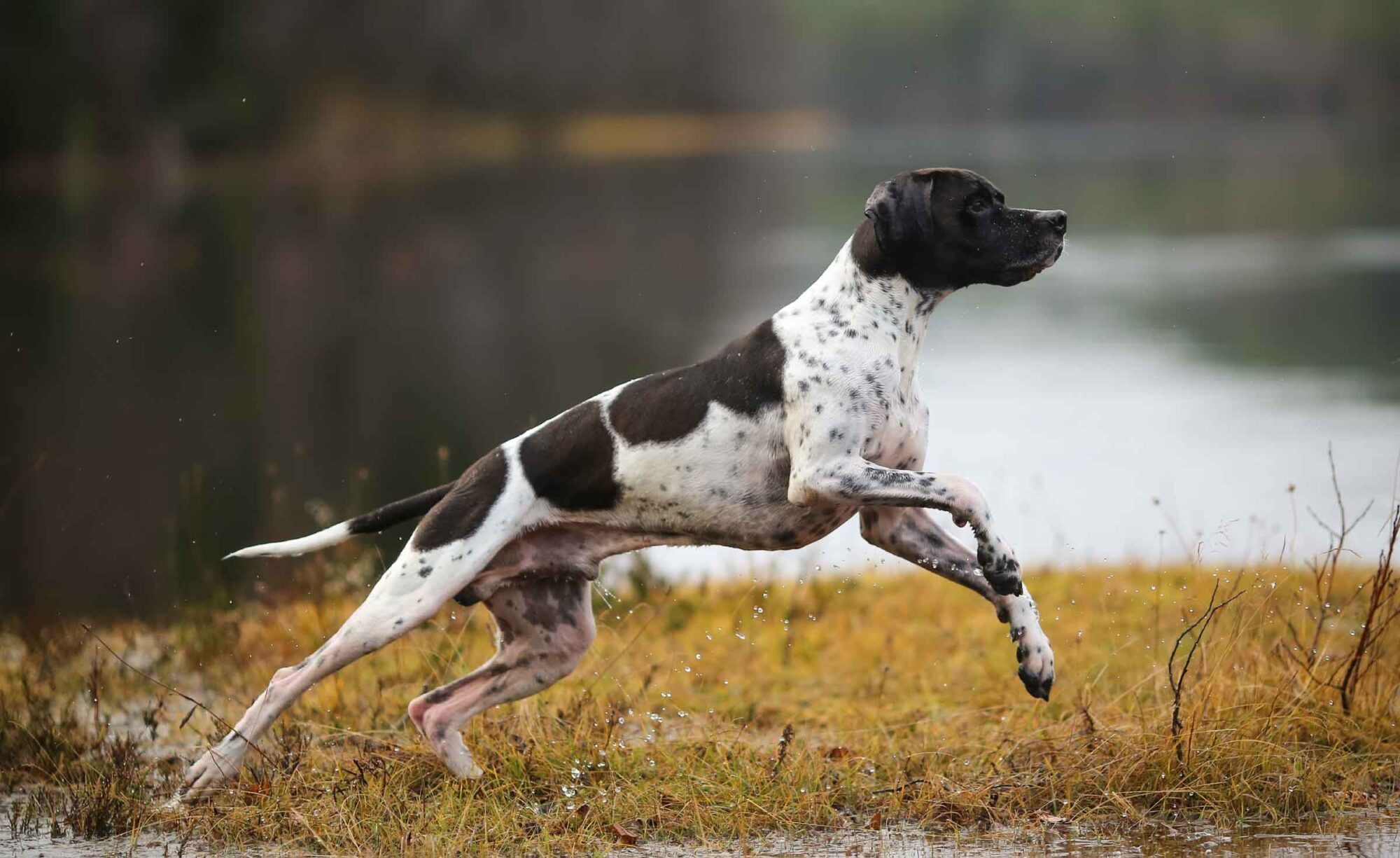
Hunting breeds dogs are not just companions; they are dedicated partners in the field, showcasing remarkable skills and loyalty. However, their active lifestyle demands special attention to their health and well-being. Whether you’re preparing for the hunting season or ensuring your dog remains fit during the off-season, understanding their unique health needs is crucial on keeping your hunting dog healthy. This guide will explore essential aspects of maintaining the health of your hunting companion, ensuring they are always ready for action.
Understanding the Unique Health Needs of Hunting Dogs
Hunting dogs, particularly large hunting dogs, face distinct health challenges due to their active lifestyles. These breeds are often exposed to various environmental factors that can impact their health. Recognizing these challenges is the first step in providing the best care on keeping your hunting dog healthy.
Exposure to the Outdoors
Hunting dogs typically work in rural and wilderness settings, which increases their exposure to wildlife and environmental hazards. This exposure can lead to various health issues, including:
- Infectious Diseases: Hunting dogs are at a higher risk of contracting diseases from wildlife, such as leptospirosis and Lyme disease. Regular veterinary check-ups and vaccinations are essential to mitigate these risks.
- Parasites: These dogs are often exposed to ticks, fleas, and intestinal parasites. Preventative measures, including monthly treatments, can help keep these pests at bay.
Physical Demands
The physical demands placed on hunting breeds dogs can lead to injuries and health issues if not properly managed. Common concerns include:
- Joint and Muscle Strain: The rigorous activities involved in hunting can lead to joint problems, especially in larger breeds. Regular exercise, combined with proper nutrition, can help maintain their physical condition.
- Heat Stress: Hunting dogs can easily overheat, especially during warm weather. Providing cold water and breaks during hunts is crucial to prevent heat-related illnesses.
Essential Health Care Practices for Hunting Dogs
To ensure your hunting breeds dogs remain in peak condition, implementing a comprehensive health care routine is vital. Here are some key practices to consider when keeping your hunting dog healthy:
Regular Veterinary Visits
Routine veterinary check-ups are essential for monitoring your dog’s health and keeping your hunting dog healthy. During these visits, your veterinarian can:
- Administer Vaccinations: Keeping your dog up-to-date on vaccinations protects them from various diseases. Discuss with your vet which vaccines are necessary based on your dog’s lifestyle and hunting activities.
- Conduct Health Screenings: Regular screenings can help identify potential health issues early, allowing for timely intervention.
Nutrition and Diet
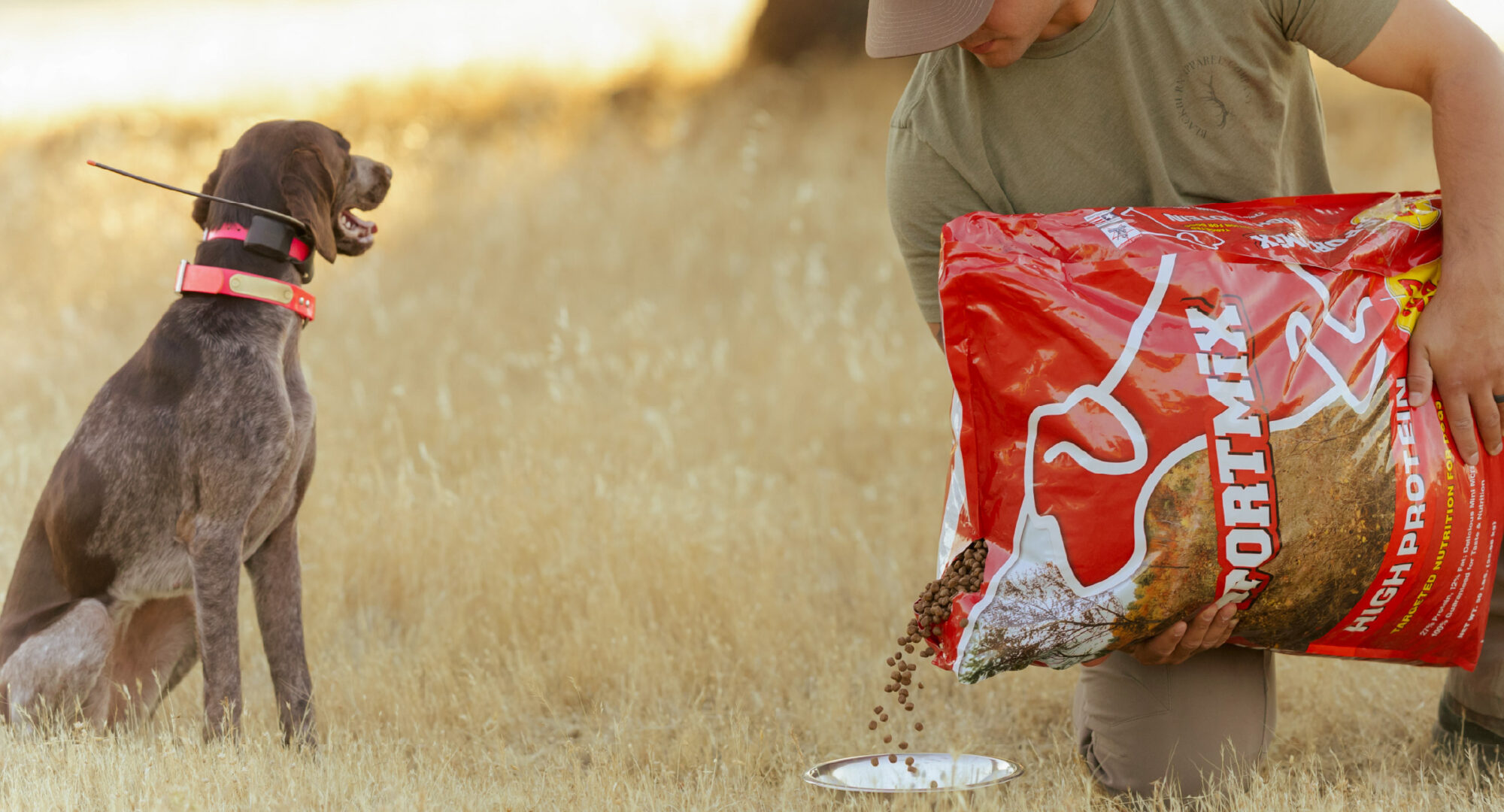
A well-balanced diet is crucial for maintaining the health of hunting dog breeds. Their nutritional needs differ from those of regular pets due to their high activity levels. Consider the following when keeping your hunting dog healthy:
- High-Quality Protein: Hunting dogs require a diet rich in protein to support their high energy needs and retrieving skills. Look from the variety of SPORTMiX dog food formulas specifically formulated for active breeds.
- Caloric Intake: Adjust your dog’s food intake based on their activity level. During hunting season, they may need more calories compared to the off-season.
Hydration
Proper hydration is essential for all dogs, especially those engaged in strenuous activities. Ensure your hunting dog has access to fresh water at all times, particularly during and after hunts.
Grooming and Maintenance
Regular grooming is not just about aesthetics; it plays a significant role in your dog’s health. Here are some grooming practices to keep in mind:
Coat Care
Hunting dogs often work in various environments, which can lead to dirt and debris accumulating in their coats. Regular brushing helps:
- Remove Dirt and Debris: Keeping your dog’s coat clean can prevent skin irritations and infections.
- Identify Skin Issues: Regular grooming allows you to spot any unusual lumps, bumps, or skin conditions early.
Paw Care
The paws of hunting dogs endure a lot of wear and tear. After each hunt, inspect your dog’s paws for:
- Cuts and Abrasions: Clean any wounds with antiseptic solutions to prevent infections.
- Foreign Objects: Remove any pebbles or burrs lodged between the pads.
Preventative Measures Against Parasites
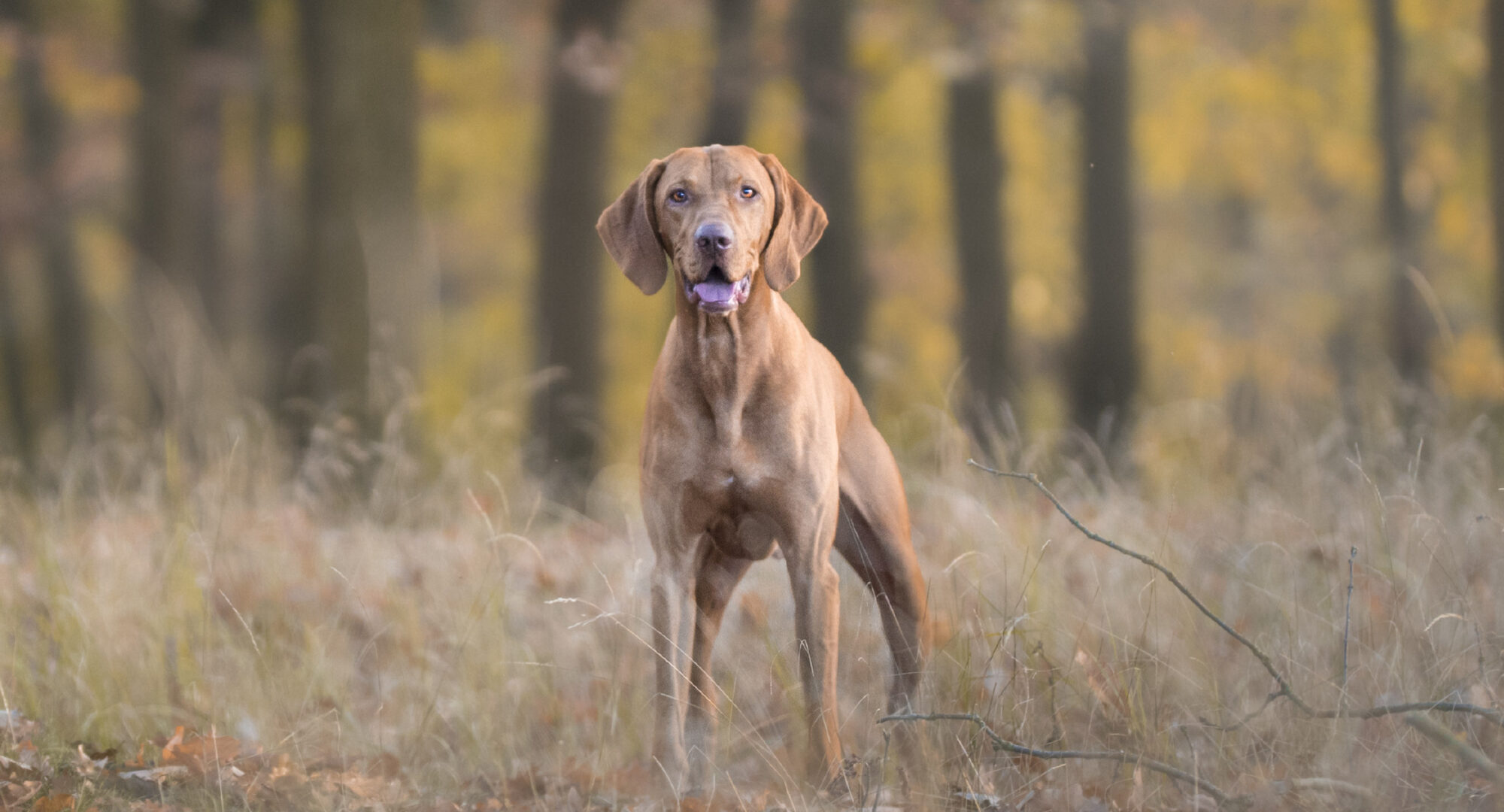
Hunting dogs are particularly susceptible to parasites due to their outdoor activities. Implementing a robust parasite prevention plan is essential:
Flea and Tick Prevention
Regular flea and tick prevention is crucial for top dog hunting breeds. Consider the following options:
- Topical Treatments: These can be applied monthly to prevent infestations.
- Oral Medications: Some oral medications provide long-lasting protection against fleas and ticks.
Heartworm Prevention
Heartworm disease is a serious concern for breeds of hunting dogs. Ensure your dog is on a heartworm preventative year-round, especially if they spend significant time outdoors.
Recognizing Signs of Illness
Being vigilant about your dog’s health can help you catch potential issues early and help on keeping your hunting dog healthy. Familiarize yourself with common signs of illness in hunting breeds dogs:
Behavioral Changes
Changes in behavior can indicate health problems. Watch for:
- Lethargy: If your dog is less active than usual, it may be a sign of an underlying issue.
- Loss of Appetite: A sudden change in eating habits can signal health concerns.
Physical Symptoms
Keep an eye out for physical symptoms such as:
- Coughing or Sneezing: Respiratory issues can arise from exposure to various allergens and pathogens.
- Vomiting or Diarrhea: Digestive issues can occur due to dietary changes or infections.
The Importance of Rest and Recovery
After a long day of hunting, your dog needs time to recuperate. Even though they are eager to please, allowing for adequate rest is crucial for their overall health:
Post-Hunt Recovery
After a hunting trip, ensure your dog has a comfortable space to rest. Consider the following:
- Hydration: Provide fresh water to help them rehydrate.
- Gentle Stretching: Light stretching can help alleviate muscle tension after a strenuous day.
Monitoring for Soreness
If your dog shows signs of soreness, such as limping or reluctance to move, consult your veterinarian for advice on pain management.
Seasonal Health Considerations
The changing seasons can impact your hunting breeds dogs in various ways. Here’s how to adapt your care routine:
Summer Care
During the warmer months, be mindful of heat stress. Implement the following strategies:
- Limit Activity During Peak Heat: Schedule hunts for early morning or late evening when temperatures are cooler.
- Provide Shade and Water: Ensure your dog has access to shade and fresh water during outdoor activities.
Winter Care
In colder months, hunting dogs may face different challenges. Consider these tips:
- Protect Against Cold: If your dog has a short coat, consider using a dog coat to keep them warm during hunts.
- Check Paws for Ice and Snow: After outdoor activities, inspect your dog’s paws for ice buildup, which can cause discomfort.
Training and Socialization
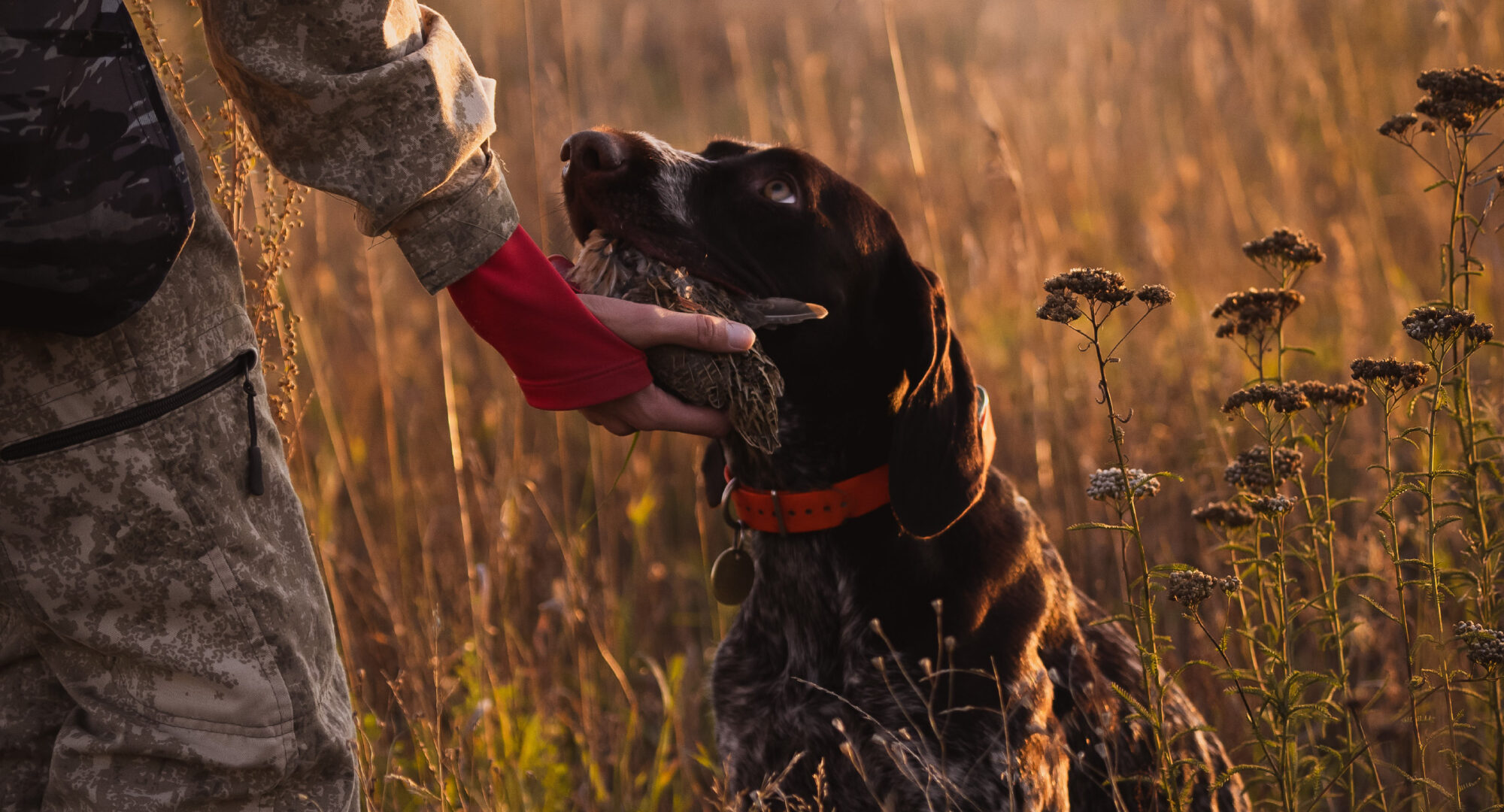
Proper training and socialization are essential for the well-being of hunting breeds dogs. Engaging in regular training sessions can help:
Enhance Skills
Training not only improves your dog’s hunting skills to make them the top hunting dog breeds but also strengthens your bond. Consider:
- Obedience Training: Basic commands are crucial for safety during hunts.
- Socialization: Expose your dog to various environments and other animals to build confidence.
Mental Stimulation
Hunting dogs thrive on mental challenges and a strong prey drive. Incorporate activities that stimulate their minds, such as:
- Puzzle Toys: These can keep your dog engaged and mentally sharp.
- Scent Work: Engaging your dog’s sense of smell can be both fun and beneficial for their hunting skills.
Conclusion: A Lifelong Commitment to Health
Caring for good hunting dog breeds requires a commitment to their health and well-being when keeping your hunting dog healthy. By understanding their unique needs and implementing a comprehensive care routine, you can ensure you are keeping your hunting dog healthy, happy, and ready for every hunting season. Remember, a well-cared-for hunting dog is not just a better hunting partner; they are a cherished member of your family. Prioritize their health, and you will enjoy many successful seasons together in the field.
