

Winter-Dog-Nutrition-Guide: Feeding Tips for Cold Weather
As the chill of winter sets in, it’s essential for pet owners to reassess their dogs’ nutritional needs. This winter dog nutrition guide explores how colder temperatures affect your dog’s diet, hydration, and energy levels and offers expert tips to keep your furry friend healthy and happy all season long.
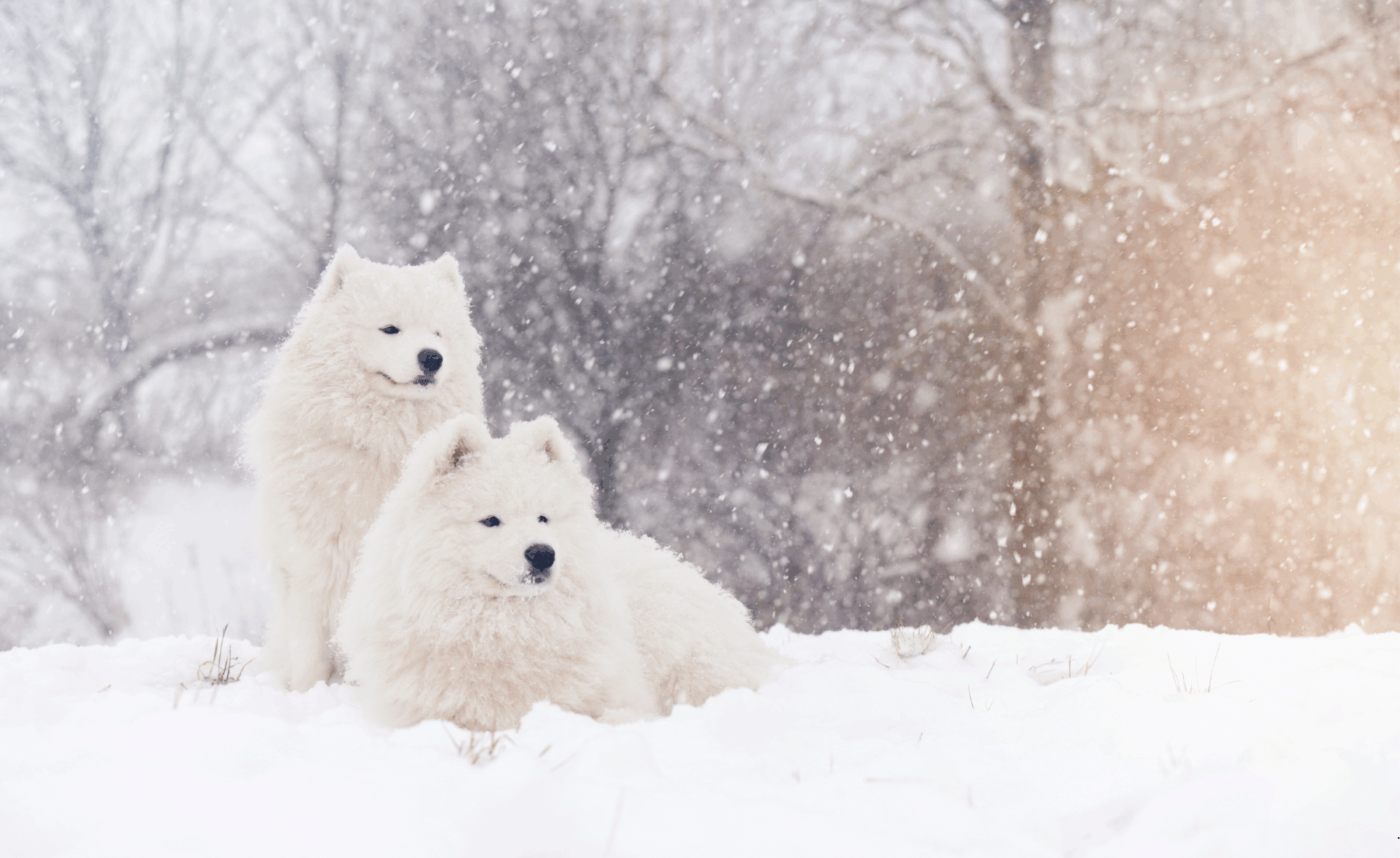
How Cold Weather Affects Your Dog: A Winter Dog Nutrition Guide Insight
Winter Dog Nutrition: Managing Increased Caloric Needs
When temperatures drop, dogs often require more calories to maintain their body heat. The energy they expend to stay warm can lead to an increased metabolic rate. This is particularly true for working dogs or those that enjoy outdoor activities in the snow.
- Active Dogs: If your dog is frequently outdoors, engaging in play or exercise, they will need a higher caloric intake to sustain their energy levels.
- Less Active Dogs: Conversely, dogs that tend to stay indoors may require fewer calories to prevent unwanted weight gain.
Monitoring your dog’s weight and adjusting their food intake accordingly is crucial during this time.
Hydration Tips from a Winter Dog Nutrition Guide
Cold weather can be deceptive when it comes to hydration. Dogs may not feel as thirsty in winter, leading to potential dehydration.
- Fresh Water Access: Always ensure your dog has access to clean, fresh water. Consider using heated water bowls to prevent freezing.
- Wet Food Options: Incorporating wet food into their diet can help maintain hydration levels, especially if your dog is reluctant to drink enough water.
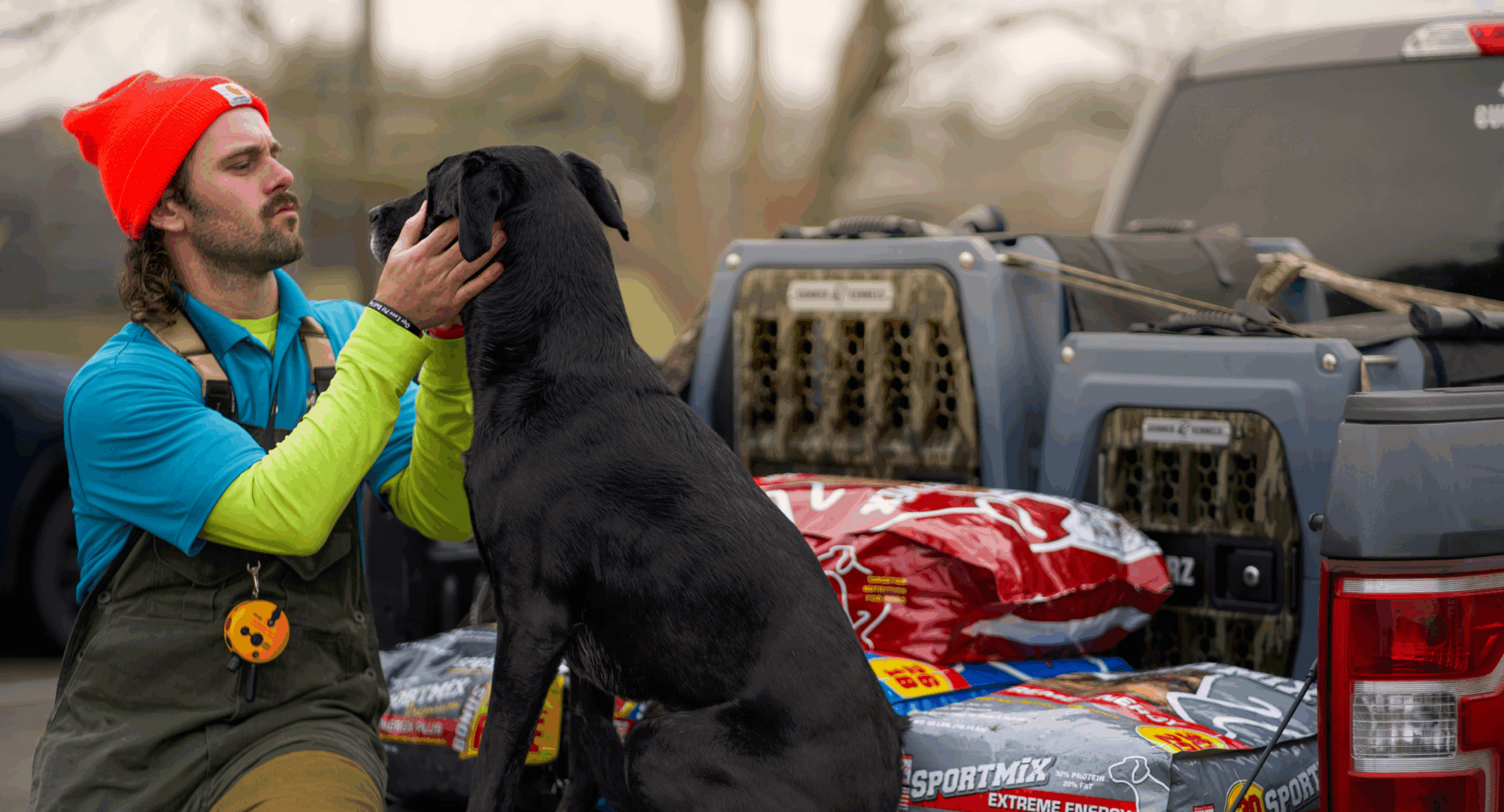
Joint Health Support in Winter Dog Nutrition
Colder temperatures can exacerbate joint issues, particularly in older dogs.
- Nutritional Support: Look for dog foods that contain ingredients like glucosamine and omega-3 fatty acids, which can help support joint health and alleviate discomfort associated with arthritis.
Winter Dog Nutrition for Skin and Coat Health
Winter weather can be harsh on your dog’s skin and coat.
- Fatty Acids: Including foods rich in omega-6 fatty acids, such as fish oil, can promote a healthy, shiny coat and help combat dryness and itchiness.
Adjusting Your Dog’s Diet for Winter: Key Tips from a Winter Dog Nutrition Guide
Nutrient-Rich Food Choices for Your Winter Dog Nutrition Plan
Transitioning to a high-quality, nutrient-dense dog food is essential during the winter months. Our winter dog nutrition guide recommends prioritizing high-protein and nutrient-rich food choices to support energy and immune health in colder months.
- Protein Sources: Look for dog foods that feature animal proteins as the primary ingredient. This ensures your dog receives the necessary amino acids for muscle maintenance and overall health.
- Essential Fats: Healthy fats are crucial for energy and warmth. Foods containing fish oil or flaxseed oil can provide the necessary fatty acids.
Increasing Protein Intake
Protein plays a vital role in maintaining muscle mass and supporting overall health.
- Higher Protein Content: Consider adjusting your dog’s diet to include a slightly higher protein content during winter. This can be particularly beneficial for active dogs.
Winter Dog Nutrition Guide to Supplements and Essential Nutrients
If your dog’s regular diet lacks certain nutrients, it may be beneficial to incorporate supplements.
- Consult Your Veterinarian: Speak with your vet about adding supplements, especially if your dog has specific health concerns or dietary restrictions.
Portion Control
With the potential for decreased activity levels in winter, it’s essential to monitor your dog’s weight closely.
- Adjust Portions: Keep an eye on portion sizes and adjust their feeding amounts as necessary to prevent excessive weight gain.
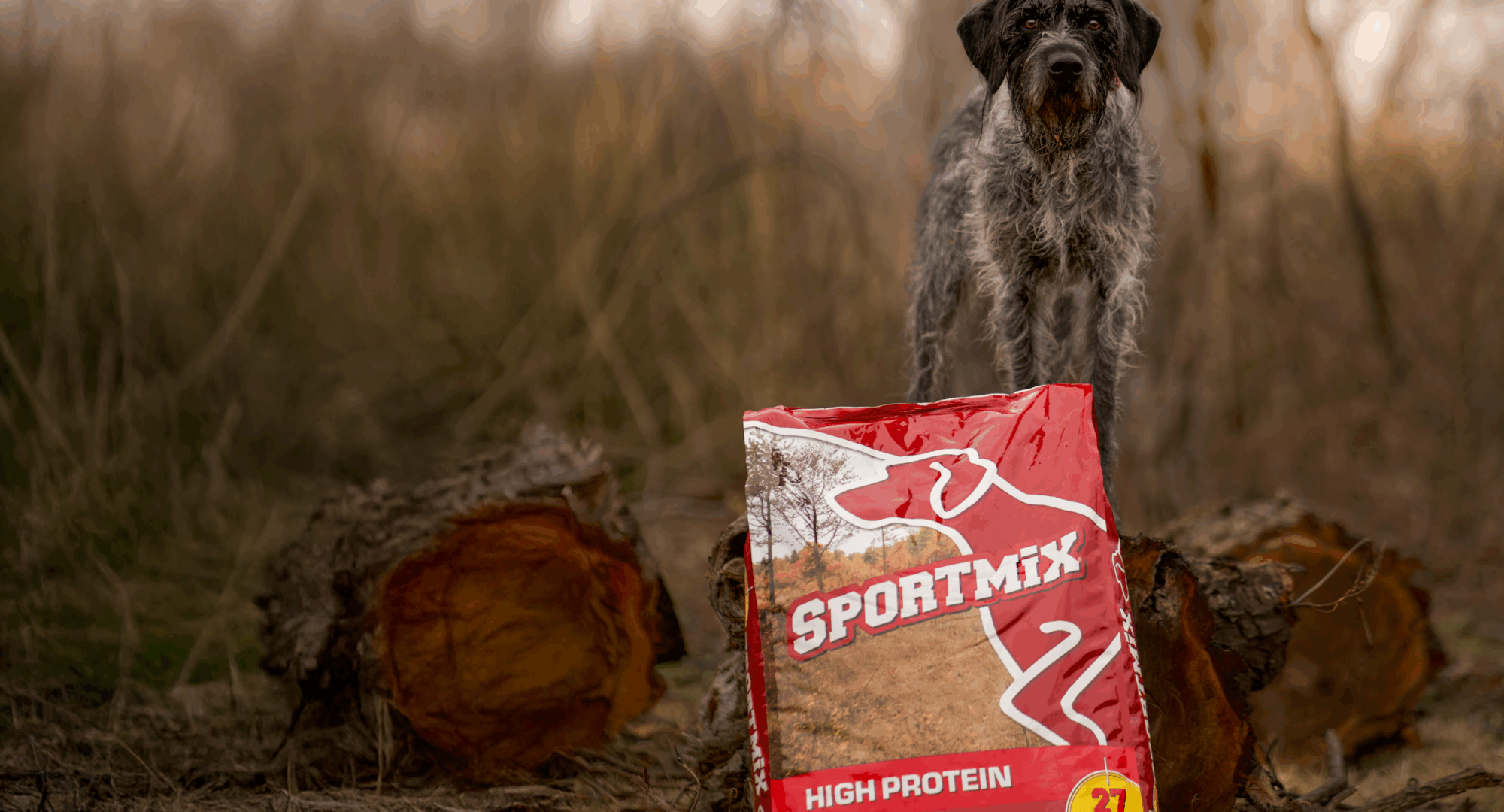
Signs Your Dog Needs a Diet Adjustment
Behavioral Changes
Changes in your dog’s behavior can indicate a need for dietary adjustments.
- Increased Hunger: If your dog seems hungrier than usual, it may be a sign that they require more calories.
- Lethargy: Conversely, if your dog is less active or seems sluggish, it could indicate that they are consuming too many calories.
Physical Indicators
Physical signs can also provide insight into your dog’s nutritional needs.
- Weight Fluctuations: Regularly check your dog’s weight. If they are gaining or losing weight unexpectedly, it may be time to reevaluate their diet.
- Coat Condition: A dull or dry coat can indicate a lack of essential fatty acids in their diet.
Ideal Proteins and Fats for Endurance
High-Quality Protein Sources
When selecting dog food, prioritize high-quality protein sources.
- Animal Proteins: Look for foods that list real meat, such as chicken, beef, or fish, as the first ingredient. These proteins are essential for muscle maintenance and overall health.
Healthy Fats for Energy
Fats are a crucial energy source, especially in colder weather.
- Omega-3 and Omega-6 Fatty Acids: Foods rich in these fatty acids can help maintain energy levels and support skin and coat health.
Product Spotlight: High-Protein or Performance Formulas
Choosing the Right Dog Food
When selecting the best dog food for winter, consider high-protein or performance formulas designed to meet the increased energy needs of active dogs.
- Performance Dog Foods: These formulas often contain higher levels of protein and fat, making them ideal for working dogs or those that engage in vigorous outdoor activities.
Recommended Brands
While there are many options available, some brands are known for their quality and nutritional value.
- Natural Ingredients: Look for brands that prioritize natural ingredients and avoid fillers or artificial additives.
Warm Meal Ideas from a Winter Dog Nutrition Guide
Benefits of Warm Meals
Dogs often enjoy warm meals during the colder months.
- Enhanced Palatability: Adding warm water or lightly heating their food can make meals more appealing, especially for older dogs who may be less enthusiastic about eating in winter.
Meal Timing
Adjusting meal times can also help your dog feel more comfortable.
- Cooler Times of Day: Feeding your dog during the cooler parts of the day, such as early morning or late evening, can make mealtime more enjoyable.
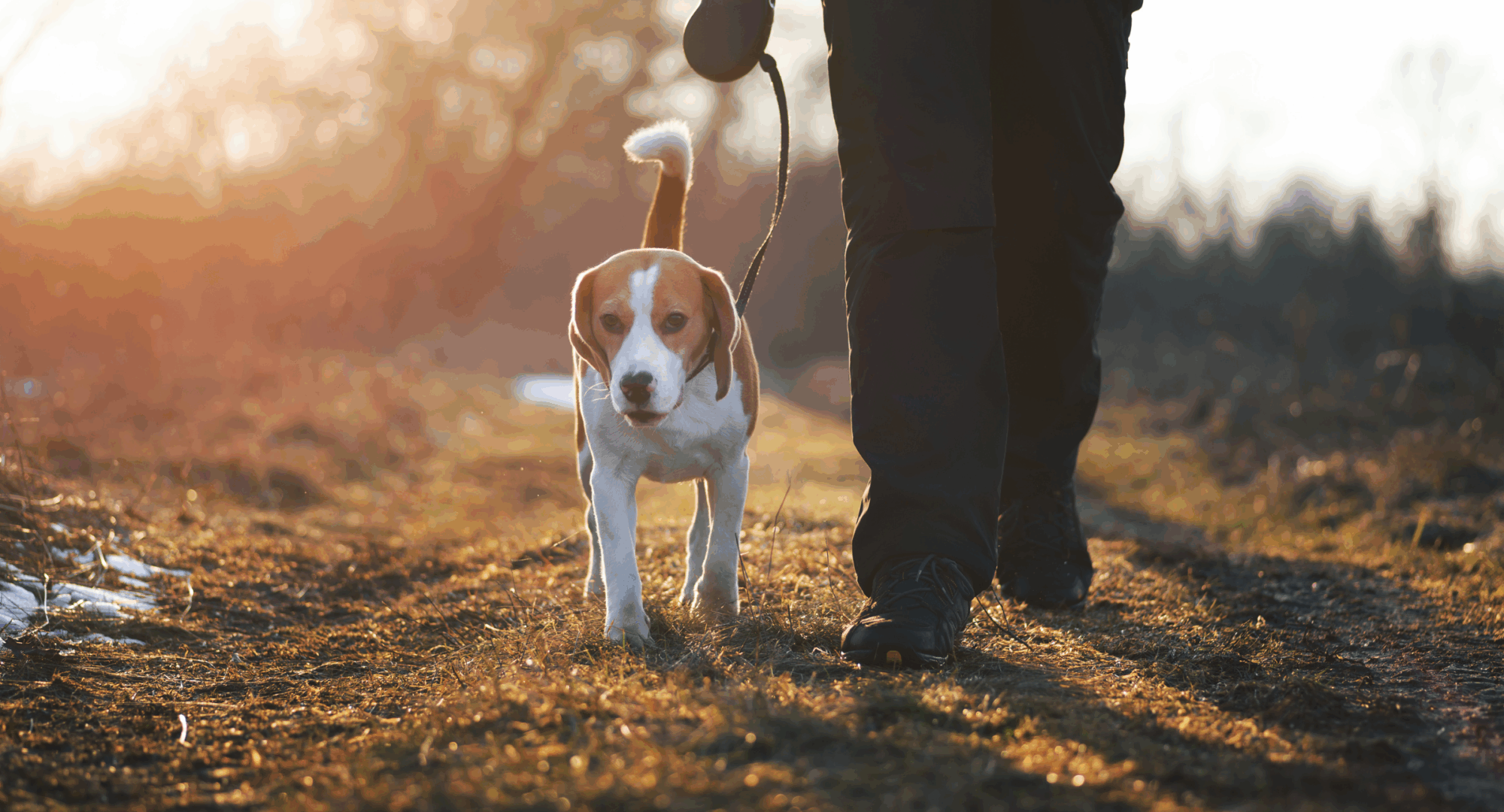
Monitoring Your Dog’s Weight
Importance of Weight Management
Keeping your dog at a healthy weight is crucial for their overall well-being.
- Regular Weigh-Ins: Schedule regular weigh-ins to monitor any changes in your dog’s weight. This will help you make timely adjustments to their diet.
Signs of Weight Gain
Be vigilant for signs that your dog may be gaining weight.
- Waistline Check: If your dog’s waistline becomes less defined, it may be time to reduce their food intake or increase their activity levels.
Conclusion
As winter approaches, it’s vital to adjust your dog’s nutrition to ensure they remain healthy and happy. By understanding the impact of cold weather on their dietary needs and making informed adjustments, you can help your furry friend thrive during the colder months. Always consult with your veterinarian for personalized advice tailored to your dog’s specific needs. By following the advice in this winter dog nutrition guide, you’ll ensure your dog stays healthy, happy, and well-fed all season long. With the right nutrition, your dog will be ready to enjoy all the winter adventures that await!
