

Hunting Dog Training: Everything You Need to Know
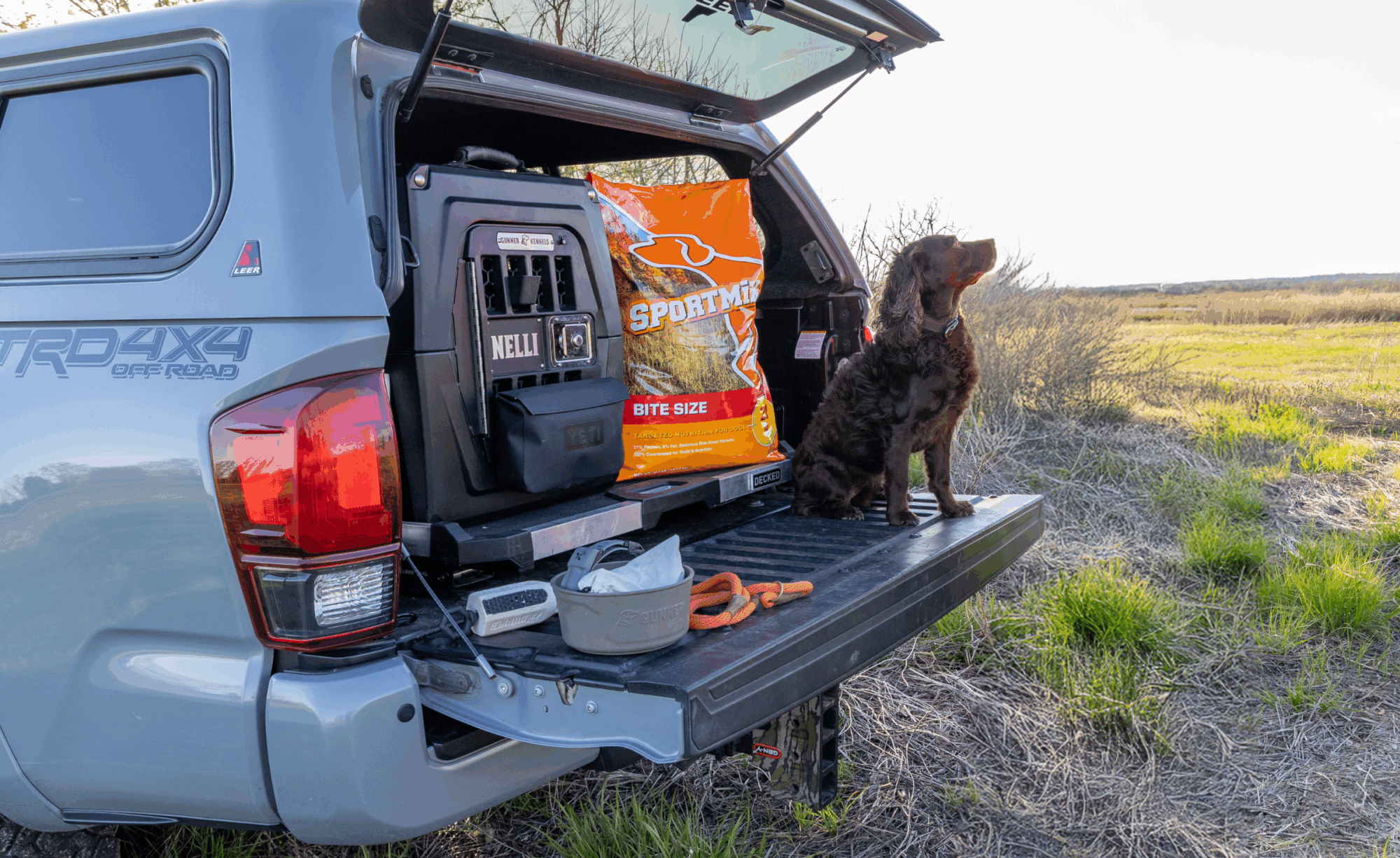
Training a hunting dog is a rewarding process that requires dedication, patience, and a solid understanding of the skills your dog needs to succeed in the field. Whether you are a seasoned hunter or a beginner looking to bond with your canine, knowing the ins and outs of hunting dog training can make all the difference. This hunting dog training guide will cover essential skills, training methods, necessary hunting dog training gear, costs, and time commitments involved in preparing your dog for hunting.
Understanding the Basics of Hunting Dog Training
The Importance of Basic Skills
Before diving into how to train a dog for hunting, you must establish a foundation of basic obedience skills. These skills are the building blocks for more advanced hunting dog techniques. Key commands include:
- Sit: A fundamental command that helps control your dog in various situations.
- Stay: Essential for keeping your dog in place while you prepare for a hunt.
- Come: A reliable recall is vital for safety and effective hunting.
- Heel: Teaching your dog to walk beside you on a leash ensures they remain close during hunts.
Types of Hunting Dogs
Different hunting dog breeds excel in various hunting scenarios. Understanding your dog’s breed characteristics can help tailor your dog training for hunting. Common hunting dog types include:
- Labrador Retrievers & Golden Retrievers: Known for their ability to fetch games. One of the best breeds if you are wanting to learn how to train your dog to duck hunt.
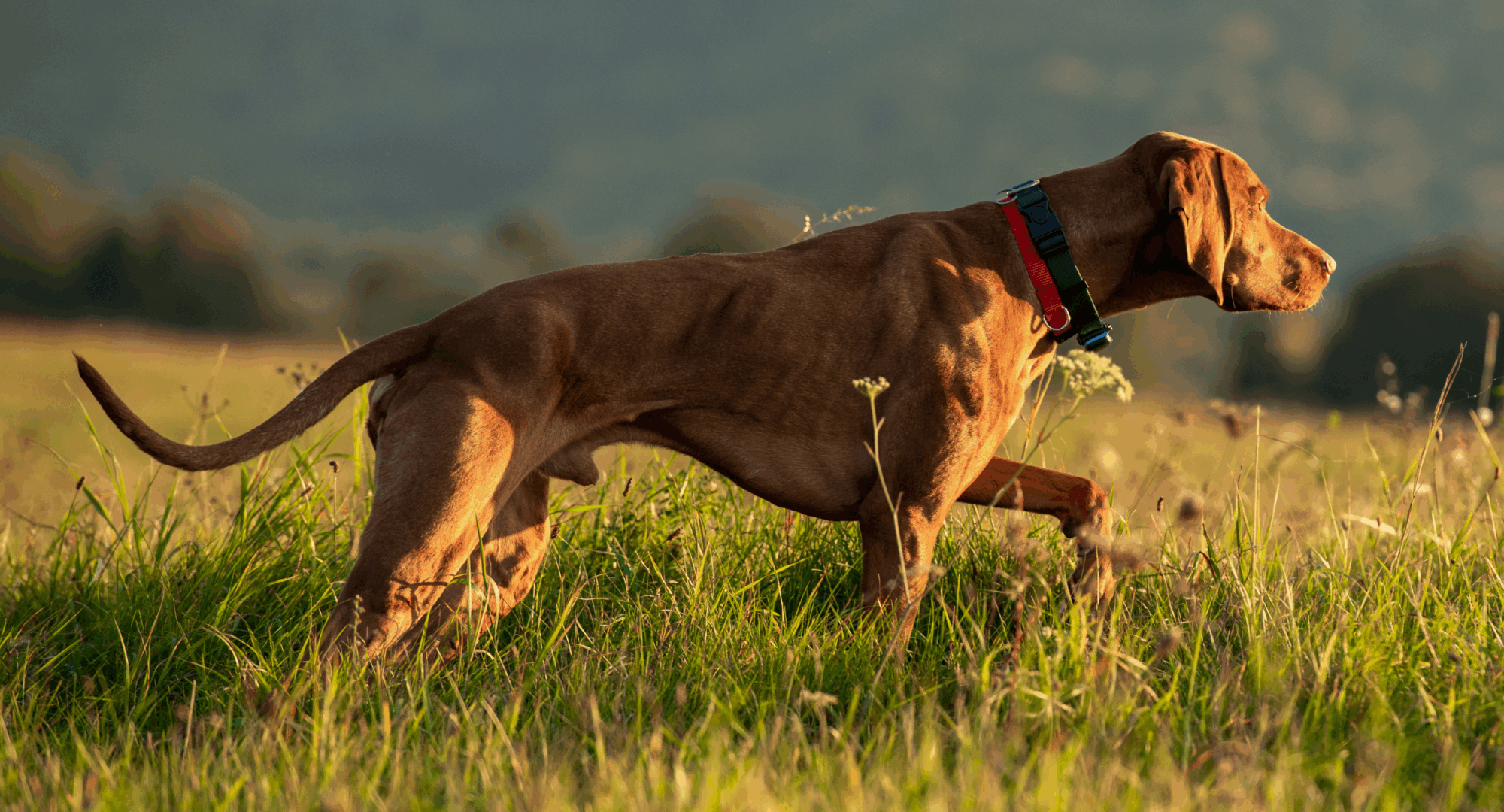
- Pointers: Pointing dogs are excellent at locating game birds and indicating their presence.
- Flushers: Trained to flush game out of hiding, making them easier to hunt.
Setting Realistic Goals
Establishing clear, achievable goals for your training sessions is essential. Consider your dog’s age, breed, and previous experience when setting these goals. For instance, a young dog or puppy may need more time to master basic commands, while an older dog may require less repetition.
You also need to set your goals based on the level of expertise you want your dog to be at. For example, technique may be more important for a dog hunting in field trials than for a dog hunting game beside their handler.
Deciding Between Home Training and Professional Training
Home Training Advantages
Training your hunting dog at home can be a fulfilling experience that strengthens your bond. Benefits include:
- Flexibility: You can train at your own pace and schedule.
- Cost-Effective: Home training eliminates the need for expensive classes or trainers.
- Personalized Approach: You can tailor the training to your dog’s specific needs and personality. For example, if you want a duck hunting dog, you can focus solely on duck hunting dog training or on shed hunting dog training.
Professional Training Benefits
While home training has its perks, hiring a hunting dog trainer offers unique advantages:
- Expert Guidance: Professional hunting dog trainers have experience and knowledge that can expedite the training process.
- Structured Environment: Hunting dog training schools provide a controlled setting with distractions that mimic real hunting experiences and scenarios.
- Socialization: Hunter dog group classes allow your dog to interact with other dogs, which can enhance their social skills.
Finding the Right Hunting Dog Training Option
If you decide to seek the help of a professional trainer, look for local options by searching for “hunting dog training near me” or “dog hunting training classes.” Reading reviews and asking for recommendations can help you find the best hunter dog trainer.
Essential Gear for Hunting Dog Training
Basic Training Supplies
Having the right hunting dog training products is crucial for effective training. Essential items include:
- Leash and Collar: A sturdy leash and a comfortable collar are fundamental for control during training sessions. One of the best dog training collar is the Conkey’s Garmin Alpha 300i TT25
- Training Treats: High-value food and treats can motivate your dog and reinforce positive behavior.
- Whistle: A whistle can be an effective tool for long-distance commands.
Specialized Hunting Gear
As your training progresses, you may need additional hunting-specific gear:
- Hunting Dog Training Collars: These collars can provide remote stimulation for commands at a distance.
- Safety Vests: Brightly colored vests ensure your dog is visible during hunts, enhancing safety.
- Water Gear: If you plan to train waterfowl dogs, consider buoyant vests and floating toys.
Cost of Gear
Investing in quality gear can enhance your training experience. While prices vary, budgeting for essential supplies is crucial. Expect to spend anywhere from $50 to $200 for basic training gear, with specialized items costing more.
The Cost of Hunting Dog Training
Home Hunting Dog Training Cost
Training at home can be budget-friendly, but there are still costs to consider:
- Training Supplies: Treats, toys, and training aids can add up.
- Time Investment: Your time is valuable, and consistent training requires a commitment.
Professional Training Expenses
Professional training can range significantly in price, depending on the program and location:
- Group Classes: Typically cost between $100 to $300 for a series of sessions.
- Private Hunting Dog Lessons: One-on-one training can range from $50 to $150 per hour.
- Board and Train Programs: These intensive programs can cost upwards of $1,000, depending on the duration and services offered.
Evaluating Your Budget
Before committing to a training method, evaluate your budget and consider the long-term benefits of investing in quality training for your dog.
Time Commitment for Hunting Dog Training
Daily Training Routines
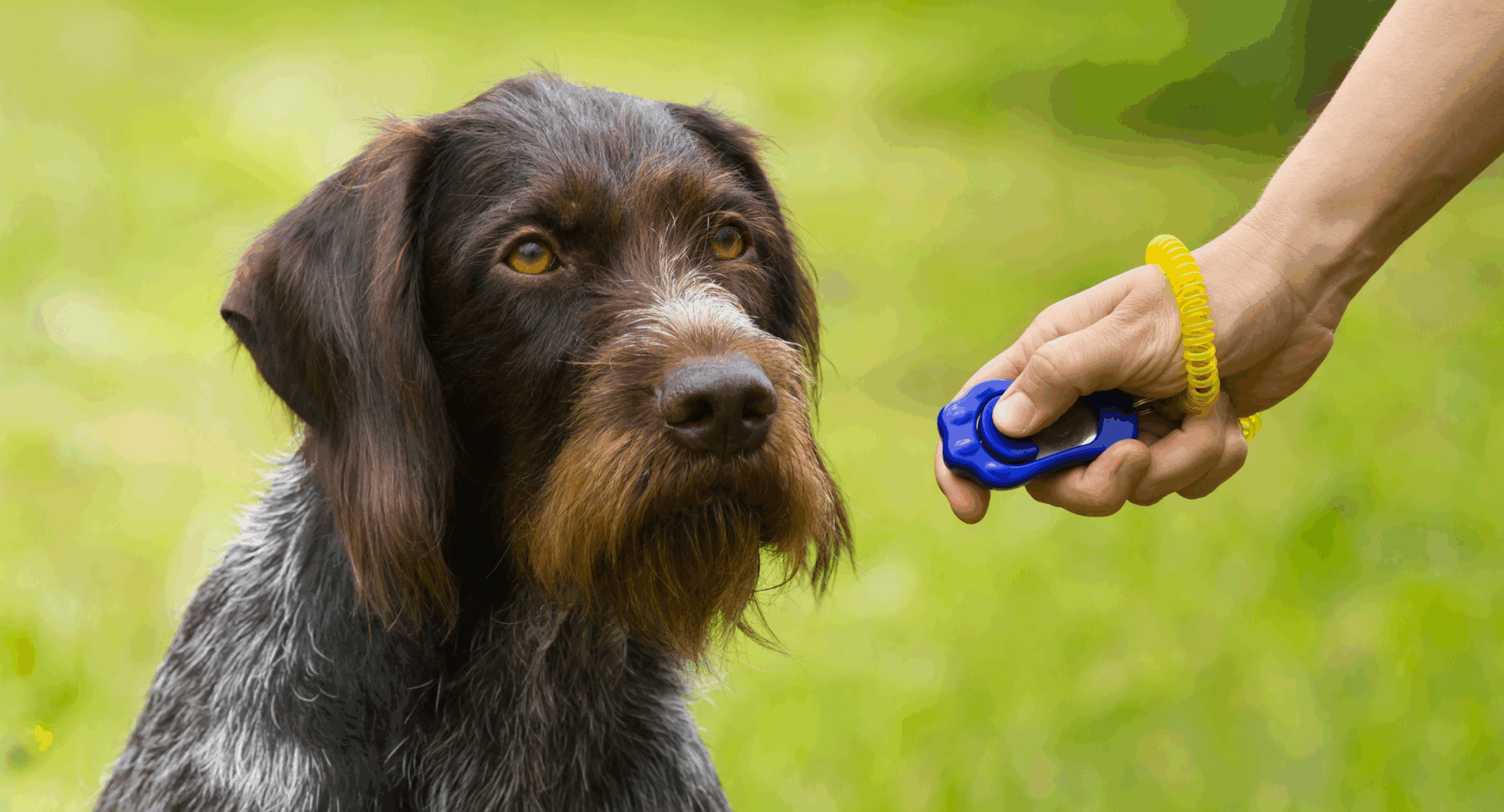
Consistency is key in dog training. Aim for short, focused training sessions of 15 to 30 minutes daily. This approach helps reinforce skills without overwhelming your dog as your dog learns.
Seasonal Training Adjustments
As hunting season approaches, adjust your training routine to include more realistic scenarios. Gradually introduce your dog to environments that mimic hunting conditions, such as wooded areas or fields.
Long-Term Commitment
Training a hunting dog is not a one-time effort; it requires ongoing practice and reinforcement. Regularly revisit skills and introduce new challenges to keep your dog engaged and prepared for hunting.
Advanced Skills for Hunting Dogs
Retrieving Techniques
Retrieving is a critical skill for hunting dogs, especially for retrievers. Retrieving training should include:
- Marking: Teach your dog to watch where the game falls and remember its location.
- Blind Retrieves: Practice sending your dog to retrieve items they cannot see, enhancing their ability to locate game.
Tracking and Scent Work
Tracking is essential for hunting dogs, particularly for those that pursue game on land. Training should focus on:
- Scent Discrimination: Teach your dog to identify specific scents associated with different game.
- Tracking Drills: Use scent trails to guide your dog and reinforce their tracking abilities.
Handling Distractions
Hunting environments are filled with distractions. Training your dog to remain focused amidst noise and movement is crucial. Techniques include:
- Controlled Exposure: Gradually introduce your dog to distractions during training sessions.
- Positive Reinforcement: Reward your dog for maintaining focus despite distractions.
Preparing for the Hunting Season
Transitioning to Realistic Environments
As hunting season approaches, it’s essential to acclimate your dog to real hunting scenarios. This can include:
- Field Work: Take your dog to fields or wooded areas to practice skills in a more natural setting.
- Water Training: If you plan on waterfowl hunting, incorporate water training sessions to build confidence.
Evaluating Readiness
Before heading out for the hunting season, assess your dog’s readiness by:
- Testing Skills: Conduct mock hunts to evaluate your dog’s performance in various scenarios.
- Identifying Weaknesses: Address any areas where your dog may need additional training or reinforcement.
Safety Considerations
Ensure your dog is safe during hunts by:
- Using Safety Gear: Equip your dog with a safety vest and ensure they are visible to other hunters.
- Health Check: Schedule a vet visit to ensure your dog is in good health and up-to-date on vaccinations.
The Emotional Bond Between Dog and Trainer
Building Trust and Communication
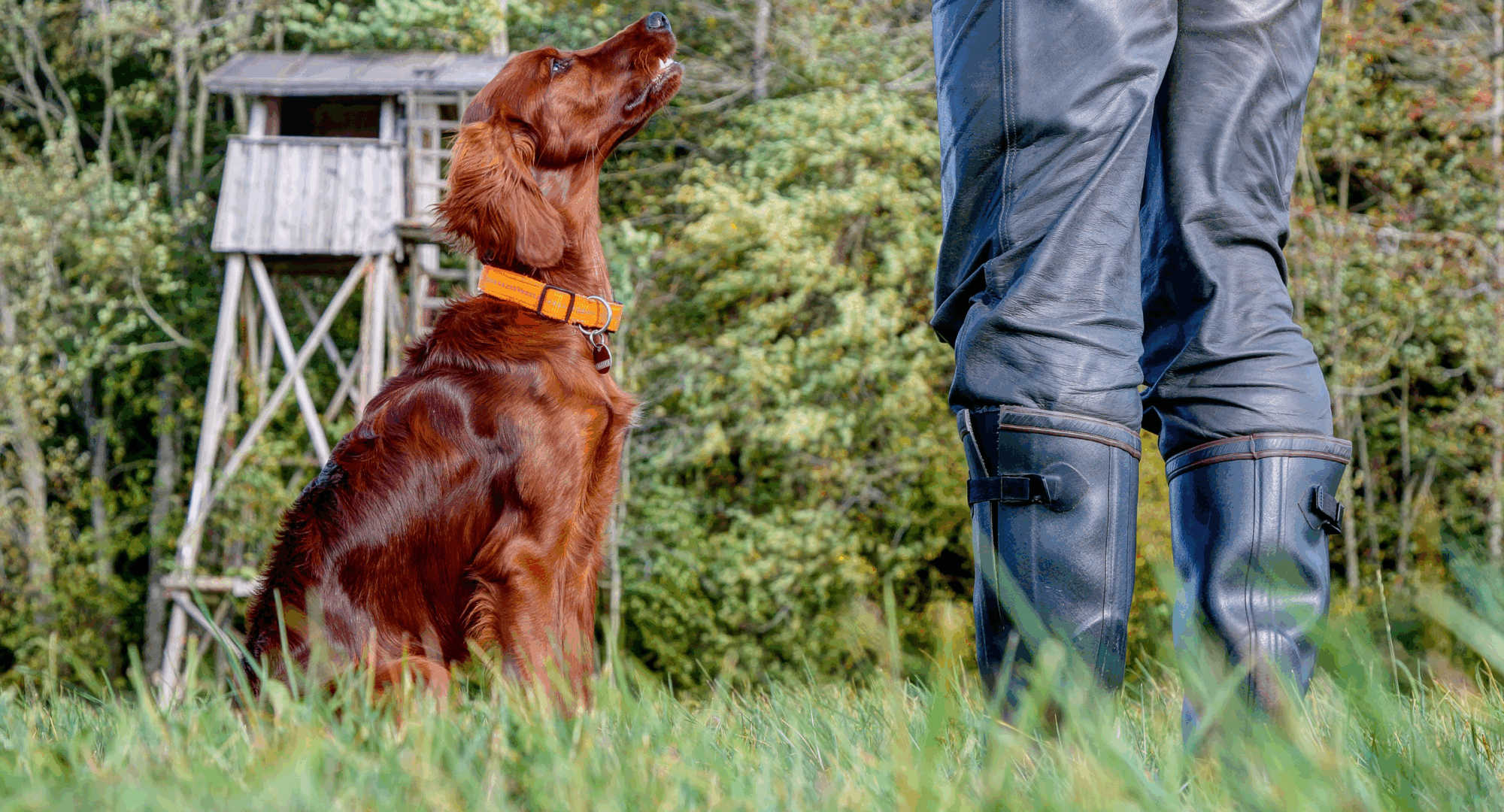
A strong bond between you and your hunting dog is essential for effective training. Many hunters begin training at a few weeks of age to help build trust and establish basic commands. As you work on hunter dog training focus on:
- Positive Reinforcement: Use treats and praise to encourage good behavior and build trust.
- Consistent Commands: Use clear, consistent commands to enhance communication.
Understanding Your Dog’s Needs
Every dog is unique, and understanding their individual needs can enhance your training experience. Pay attention to:
- Body Language: Learn to read your dog’s body language to gauge their comfort and confidence levels.
- Energy Levels: Adjust training intensity based on your dog’s energy levels and mood.
Celebrating Achievements
Recognizing and celebrating your dog’s achievements can strengthen your bond and motivate them to continue learning.
Conclusion
Learning how to train a dog to be a hunting dog can be a fulfilling endeavor that requires time, patience, and dedication. By understanding the essential skills, choosing the right training methods, and investing in the necessary gear, you can prepare your dog for a successful hunting season.
Whether you opt for home training or professional guidance, the journey will not only enhance your dog’s abilities but also deepen the bond you share. Embrace the process, celebrate the milestones, and enjoy the rewarding experience of hunting with a well-trained companion.
