

How to Teach Your Dog to Heel?
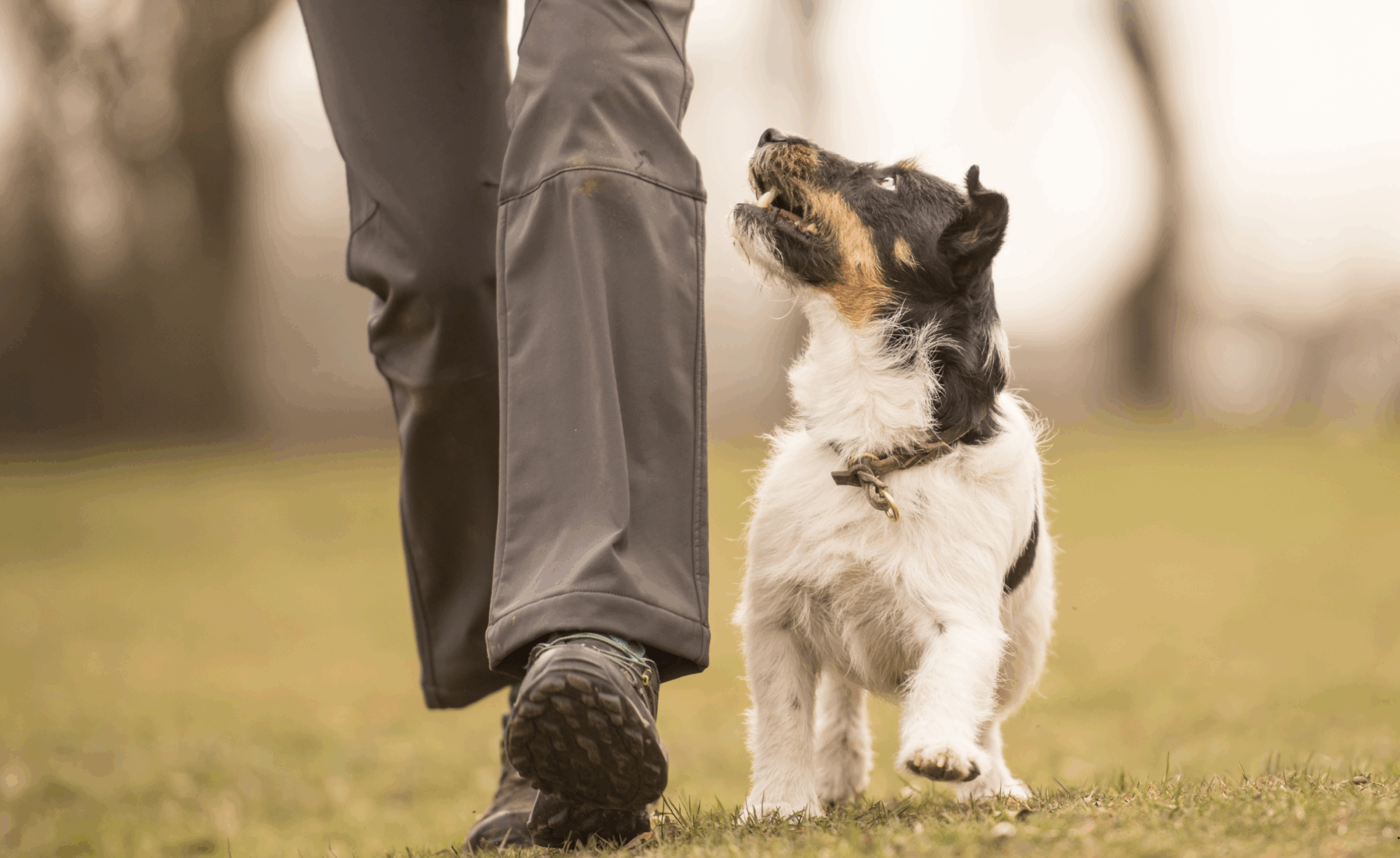
Teaching your dog to heel is a fundamental skill that not only enhances your bond but also ensures safety and control during walks, especially for hunting dogs. A well-trained dog that understands the heel command can navigate various environments with ease, making outings more enjoyable for both the dog and the handler. In this guide, we will explore why you should train a dog to heel, what it means for your dog to heel, and the best way to teach a dog to heel.
Understanding the Heel Command
What Does Heel Mean to a Dog?
Commanding a dog to heel is you telling a dog to walk closely beside you, typically on your left side. Position them by your left leg allows for better control and communication between you and your dog. For service and hunting dogs, heeling becomes a default position, enabling them to focus on their handler while remaining alert to their surroundings.
When a dog is in the heel position, it should maintain a loose leash, walk at your pace, and respond promptly to your movements. This command is not just about obedience; it fosters a deeper connection and understanding between you and your dog.
The Importance of Teaching a Dog to Heel
Teaching your dog to heel is crucial for several reasons:
- Safety: A dog that heels properly is less likely to dart into traffic or chase after distractions.
- Control: Heeling allows you to maintain control over your dog in crowded or stimulating environments.
- Focus: A well-trained dog learns to concentrate on you, reducing the likelihood of distractions from other animals or people.
- Foundation for Advanced Training: Mastering the heel command to a dog lays the groundwork for more complex commands and behaviors.
What Age to Teach a Dog to Heel?
Like most pet training, it is easiest to train and teach new commands the younger your pet is. The heel command can begin being introduced as early as 8 to 10 weeks old, but can begin a bit later as well. The earlier you start associating being close to you with a positive experience, the easier it will be for your dog to pick up other commands like “sit”, “stay”, and “leave it”.
How To Start Teaching Your Dog to Heel?
Preparing for Training
Before diving into the training process, ensure you have the right tools and environment:
- Leash and Collar: Use a standard leash and a comfortable collar. When teaching a dog to heel on leash, avoid retractable leashes during training sessions.
- Treats: Have high-value treats ready to reward your dog for good behavior.
- Quiet Space: Begin training in a distraction-free area to help your dog focus.
Establishing Engagement
To effectively teach heel to a dog, you must first capture their attention. Start by positioning yourself in front of your dog with leash in your left hand and making eye contact. Use treats to engage them and encourage them to focus on you.
Teaching Your Dog to Heel
Step-by-Step On Teaching A Dog To Heel
- Introduce the Heel Command: Use your dog’s name to get their attention, followed by the command “heel.” For example, “Max, heel!”
- Guide into Position: Step back with your left foot while gently luring your dog to your left side with a treat.
- Reward Immediately: As soon as your dog is in the correct position, praise them and offer a treat in your left hand. This reinforces the behavior and keeps them in position.
- Practice Regularly: Consistency is key. Incorporate short training sessions into your daily routine to reinforce the heel command.
Building Duration and Distance
Once your dog understands the basic heel position, gradually increase the duration and distance of your walks. Start with short distances and reward your dog frequently after getting your dog to heel. As they become more proficient in heel training, you can extend the distance and reduce the frequency of treats.
Common Challenges in Heeling
Distractions and Impulsiveness
One of the most common issues when telling a dog to heel is their tendency to become distracted. This is especially true for hunting dogs, who may be driven by their instincts to chase after birds or other wildlife.
- Solution: Begin training in a quiet environment and gradually introduce distractions. Use treats to redirect their focus back to you when they become distracted.
Pulling on the Leash
If your dog pulls on the leash, it can be frustrating and counterproductive to the training process.
- Solution: When your dog pulls, stop walking and wait for them to return to your side. Reward them when they do. This teaches them that pulling will not get them where they want to go.
Advanced Heeling Techniques
Proofing the Heel Command
Once your dog has mastered the heel command in a controlled environment, it’s time to proof their skills in more challenging situations.
- Practice in Different Locations: Take your dog to parks, busy streets, or other environments with distractions. This helps solidify their understanding of the heel command in various contexts.
Incorporating Turns and Stops
To enhance your dog’s heeling skills, practice making turns and stopping suddenly. This teaches your dog to stay in position regardless of your movements.
- Turning: When you turn, encourage your dog to pivot with you. Use treats to guide them into the correct position.
- Stopping: When you stop, your dog should automatically sit. Reward them for doing so.
Troubleshooting Common Issues When Teaching Your Dog to Heel
Lack of Focus
If your dog struggles to focus during training, consider the following strategies:
- Shorter Sessions: Keep heel training sessions brief and engaging to maintain your dog’s interest.
- Higher Value Treats: Use more enticing treats to capture their attention.
Inconsistent Responses
If your dog is inconsistent in responding to the heel command, it may be due to a lack of reinforcement.
- Consistent Rewards: Ensure you are consistently rewarding your dog for correct behavior. This helps reinforce the connection between the command and the desired action.
The Role of Positive Reinforcement
Encouraging Good Behavior
Positive reinforcement is a powerful tool in dog training. By rewarding your dog for good behavior, you create a positive association with the heel command.
- Verbal Praise: Use enthusiastic verbal praise to encourage your dog when they successfully heel.
- Treats: Offer treats or pieces of kibble as rewards, gradually reducing their frequency as your dog becomes more proficient.
Building a Strong Bond
Using positive reinforcement not only helps with training but also strengthens the bond between dog owners and their dog. A trusting relationship encourages your dog to be more responsive to commands.
Conclusion
Teaching your dog to heel is an essential skill that enhances safety, control, and communication. By understanding the heel command, preparing for training, and employing effective techniques, you can successfully train your dog to master this important behavior.
Remember to be patient, consistent, and positive throughout the training process. With dedication and practice, you will enjoy many rewarding walks with your well-trained companion by your side.
When you invest the time to teach your dog to heel, you are not only improving their behavior but also enriching your relationship, making every outing a joyful experience.
