

Scent Training for Dogs: How to Scent Train a Dog?
Wondering how to scent train a dog? Scent training for dogs can be an incredibly rewarding experience. Whether you’re teaching your dog scent work for hunting, search and rescue, detection, or simply engaging in a fun activity that utilizes their natural abilities.
Dogs possess an extraordinary sense of smell, making them exceptional at tracking a scent. This guide will walk you through the stages of dog scent training. Providing you with the tools and techniques necessary to teach your dog how to track scents effectively.
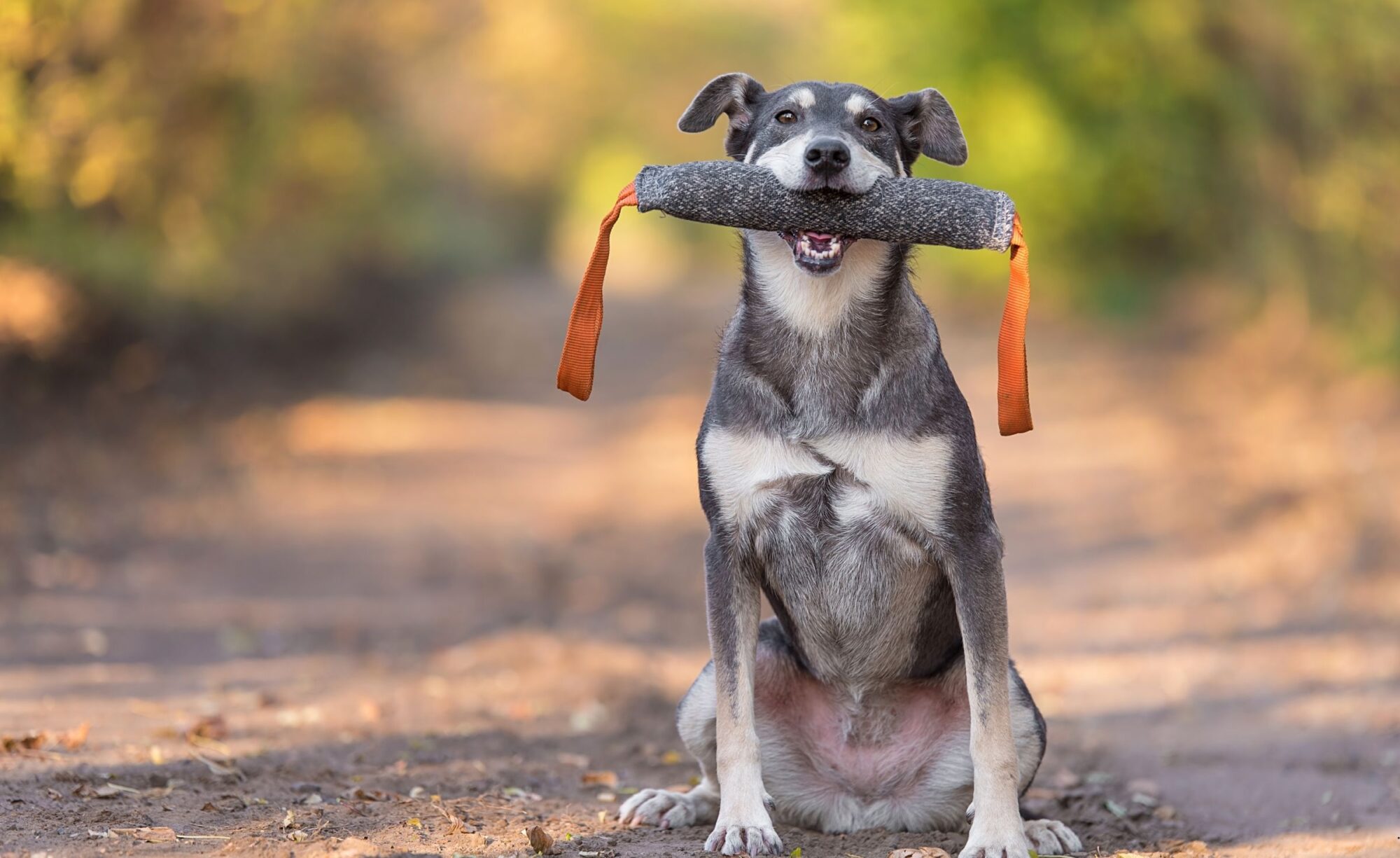
Understanding Scent Training for Dogs
Benefits of Scent Training for Dogs
The importance of scent training is that it is not just a fun activity; it taps into your dog’s innate nose work abilities. Dogs’ noses have up to 300 million olfactory receptors, compared to a human’s 5 million. This incredible sense of smell allows them to detect scents at incredibly low concentrations. By engaging in scent work training, you not only provide mental stimulation for your dog but strengthen the bond you share.
Prerequisites for Training
Before diving into scent training for dogs, ensure your dog has mastered basic commands such as “sit,” “stay,” “heal,” and “come.” These commands form the foundation for more advanced training and help maintain control during scent work training sessions. Additionally, familiarize your dog with the specific scents you plan to use, whether they are related to hunting or other activities. For example, bird or rabbit scent for dog training is very common.
Choosing the Right Training Scent
Selecting the appropriate scent for training is crucial. Depending on your goals, you might choose a rabbit, deer, bird, or duck scent for dog training. You can also use essential oils or dog scent training kits available in pet stores.
Ensure that the scent you choose is something your dog loves or can easily recognize and they are motivated to track. If you plan to use your dog for hunting, it’s suggested to use the game’s scent for training. So, if you plan to hunt squirrels with your dog, we suggest using a squirrel scent for dog training.
Stage 1: Introduction to Scent Training for Dogs
Setting Up the Environment
Now, let’s drive into how to train a dog to scent track. To begin your dog scent work training, start in a quiet, distraction-free area. A grassy field or a park works well, especially early in the morning when the ground is undisturbed. This setting allows your dog to focus solely on the task at hand in the search area.
Creating a Scent Trail
To introduce your dog to scent tracking, create a simple trail using treats. Start by having your dog sit or stay while you place small pieces of food, such as hot dogs, along a straight path. As you walk away, drop treats or kibble every few feet, leading to a final reward at the end of the trail. This method helps your dog associate the scent with a positive outcome.
Encouraging Exploration
Once the dog’s scent trail is set, release them and encourage your dog to “find it!” Use a calm voice to guide them as they sniff along the trail. If they begin to follow the scent, offer quiet praise to keep them motivated. Avoid overwhelming them with excitement, as this can distract them from their task.
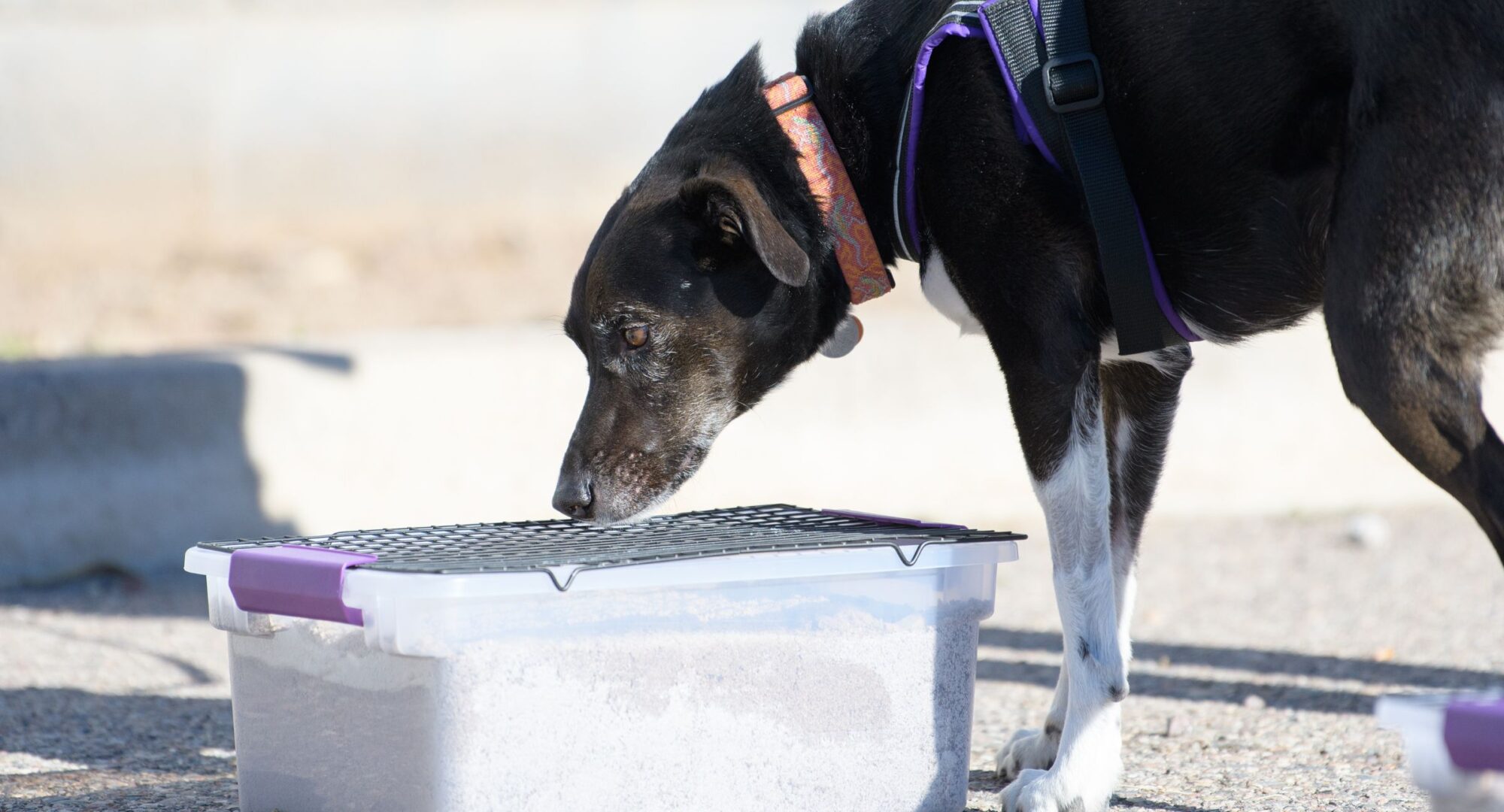
Stage 2: Building Confidence and Skills
Lengthening the Scent Trail
As your dog becomes more proficient at following the initial trail, gradually increase its length. Introduce curves and turns that challenge their scent tracking abilities. You can also add more items along the way, but ensure that the final reward remains the most enticing.
Avoid changing the scent your dog is tracking until they are fully comfortable. Typically, your dog is fully comfortable when they have successfully detected their target odor multiple times on various days.
Introducing New Scents
Once your dog is comfortable with the initial scent, start adding in different dog training scents into the training. This could include specific essential oils or various animal scents like using raccoon scent for dog training. The goal is to broaden their scent recognition and tracking skills.
Practicing in Different Environments
To further enhance your dog’s tracking abilities, practice your scent work dog training in various locations. Different terrains and environments will expose your dog to new challenges. Thus, helping them adapt their skills and fully utilize your dog’s scent detection training. This could include wooded areas, fields, or even urban settings.
Stage 3: Advanced Scent Work Techniques
Air Scenting vs. Ground Scenting
Understanding the difference between air scenting and ground scenting is essential for advanced scent detection dog training. Air scenting involves your dog using their nose to detect scents carried by the wind. Ground scenting requires them to follow scents left on the ground. Both skills are valuable, especially for hunting or even search and rescue scenarios.
Setting Up Complex Trails
As your dog becomes more adept at tracking, create more complex trails to continue training your scent dog on. Use flags or markers to indicate turns and changes in direction. This will help you monitor their progress and ensure they are following the intended path when detecting scents.
Add Distractions to Scent Training
To prepare your dog for real-world scenarios, introduce distractions during training sessions. This could include other animals, people, or noises. Gradually increase the level of distraction as your dog becomes more confident in their tracking abilities.
Stage 4: Real-World Application of Scent Training
Practicing with Real Scents
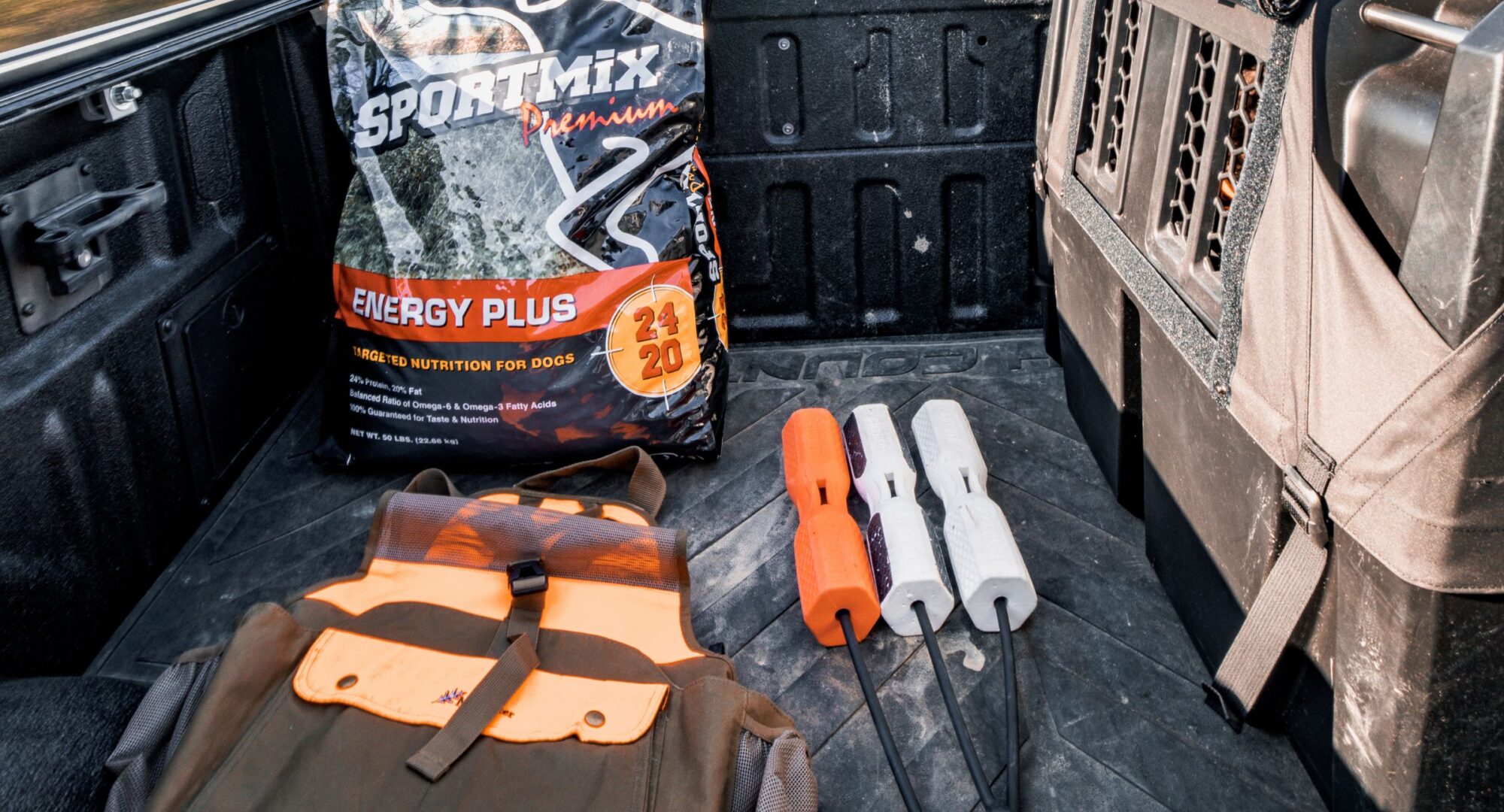
Once your dog has mastered the basics of scent work training for dogs, it’s time to practice with real scents. Use items like real fur or even scent-soaked dummies to simulate hunting scenarios. An example of this could be using feathers for bird scent dog training or an antler for deer scent for dog training. This will help your dog learn to track scents in a more realistic context.
Engaging in Scent Work Activities
Consider participating in organized scent work activities or dog sport competitions. These events provide an excellent opportunity for your dog to showcase their skills and gain experience in a controlled environment. You may even look up different clubs like the AKC Scent Work Club or scent training for dogs near me.
Building a Routine
Consistency is key in dog scent training. Establish a regular training schedule that allows your dog to practice their skills frequently. Short, focused sessions are often more effective than longer, drawn-out practices. Aim for 15-30 minute sessions several times a week.
Stage 5: Celebrating Success and Learning
Rewarding Your Dog
Positive reinforcement is crucial in scent training for dogs. Celebrate your dog’s successes with enthusiastic praise, treats, or playtime. This will reinforce their desire to track scents and encourage them to continue learning.
Monitoring Progress
Keep track of your dog’s progress throughout the scent training process. Note their successes and areas for improvement. This will help you tailor your training sessions to address specific challenges and ensure continued growth.
Lifelong Learning
Scent training is an ongoing journey. Continue to challenge your dog with new scents, environments, and techniques. This not only keeps their skills sharp but also provides mental stimulation and strengthens the bond between a dog and handler.
Conclusion on Scent Training for Dogs
Training your dog to track scents is a fulfilling endeavor that taps into their natural instincts. By following this structured guide, you can help your dog develop essential tracking skills while enjoying the process together. Remember to be patient, celebrate successes, and keep the training sessions engaging. With dedication and practice, your dog will become a proficient scent tracker, ready for any adventure that comes their way.
This guide provides a helpful overview of how to train your dog to track scents, ensuring a rewarding experience for both you and your dog. Whether for hunting, search and rescue, or simply for fun, scent training can enhance your dog’s abilities and strengthen your bond.
