

What Dog Food is Best for Working Dogs?
When it comes to feeding working dogs, understanding their unique nutritional needs is crucial. These dogs often engage in physically demanding tasks that require a diet tailored to their energy levels, activity types, and overall health. In this article, we will explore the best dog food options for working dogs, focusing on their specific requirements, feeding schedules, and signs that indicate you’ve found the right fuel for your canine companion.
Understanding Working Dogs
Defining Working Dogs
Working dogs are canines bred and trained to perform specific tasks that assist humans. This category includes a variety of breeds, such as police dogs, search and rescue dogs, hunting dogs, herding dogs, and service animals. Each type of working dog has distinct physical and mental demands, which directly influence their dietary needs.
The Working Dog Lifestyle
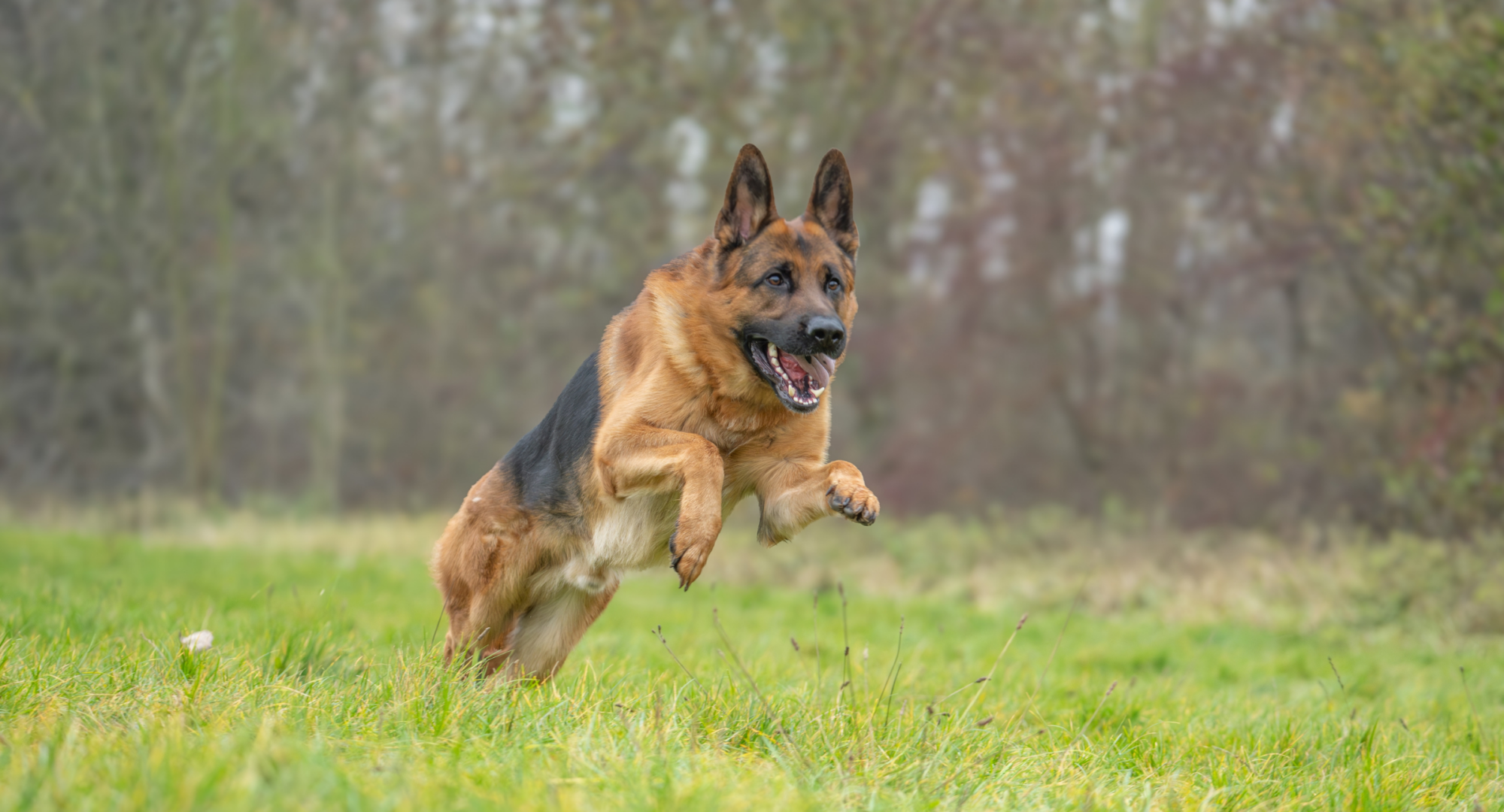
The lifestyle of a working dog is characterized by high levels of activity and mental engagement. These dogs often participate in rigorous training and perform tasks that require stamina, strength, and focus. As a result, their nutritional requirements differ significantly from those of typical household pets.
Maintenance vs. Performance
Understanding the difference between maintenance and performance diets is essential for working dogs. Maintenance diets such as Adult Maintenance Mini Chunk 21/12 are designed for dogs with lower activity levels, while performance diets such as Energy Plus 21/30 are catered to those engaged in high-energy tasks. Performance diets typically contain higher levels of calories, protein, and fat to support the increased energy expenditure of working dogs.
Nutritional Needs of Working Dogs
Key Nutrients for Working Dogs
Working dogs require a balanced diet rich in essential nutrients to maintain their health and performance. Key nutrients include:
- Proteins: Vital for muscle repair and growth, proteins should make up a significant portion of a working dog’s diet.
- Fats: Healthy fats provide a concentrated source of energy and support overall health. They are particularly important for endurance activities.
- Carbohydrates: While not as critical as proteins and fats, carbohydrates can provide quick energy for short bursts of activity.
- Vitamins and Minerals: Essential for various bodily functions, these nutrients support immune health, bone strength, and overall well-being.
The Role of Fatty Acids
Fatty acids, particularly omega-3 and omega-6, play a crucial role in maintaining joint health and reducing inflammation. For working dogs, these fatty acids can help mitigate the wear and tear on joints caused by rigorous activity. Including high-quality sources of fatty acids in their diet can promote overall health and longevity.
Types of Dog Food for Working Dogs
Commercial Dry Dog Food
Commercial dry dog food like SPORTMiX dog food is a popular choice for many working dog owners due to its convenience and variety. Here are some advantages and disadvantages:

Pros:
- Convenience: Easy to store and serve, dry food can be fed anywhere and anytime.
- Nutrient Variety: Available in various formulations to meet the specific needs of working dogs.
- Cost-Effective: Generally more affordable than wet food options.
Cons:
- Low Moisture Content: Dry food lacks hydration, which can be a concern for dogs in hot climates.
- Dental Health: Some kibble sizes may not promote adequate chewing, potentially affecting dental health.
Commercial Wet Dog Food
Wet dog food can be beneficial for working dogs, especially those that struggle with hydration.
Pros:
- Higher Moisture Content: Helps maintain hydration, which is crucial for active dogs.
- Palatability: Often more appealing to dogs, encouraging them to eat.
Cons:
- Caloric Density: Typically lower in calories, requiring larger volumes to meet energy needs.
- Storage: Canned food can be less convenient to store and serve compared to dry kibble.
Feeding Schedules for Working Dogs
Timing is Everything
Feeding schedules for working dogs should align with their activity levels. Here are some guidelines:
- Pre-Exercise Feeding: Ideally, feed your dog a small meal 3-4 hours before engaging in strenuous activity. This allows for digestion and energy availability.
- Post-Exercise Feeding: Provide a larger meal within two hours after exercise to replenish energy stores and aid recovery.
Adjusting for Shift Work
For handlers with varying work schedules, flexibility is key. If your dog works long shifts, consider feeding smaller meals throughout the day to maintain energy levels without risking bloat.
Signs You’ve Found the Right Fuel
Monitoring Performance
To determine if you’ve selected the best dog food for your working dog, observe their performance and overall health. Signs of a suitable diet include:
- Energy Levels: Your dog should exhibit consistent energy throughout their workday.
- Body Condition: Maintain a healthy weight without excessive fat or muscle loss.
- Stool Quality: Regular, firm stools indicate good digestion and nutrient absorption.
Behavioral Indicators
Behavior can also signal whether your dog is thriving on their diet. Look for:
- Focus and Engagement: A well-fed dog will be attentive and eager to work.
- Recovery Time: Quick recovery after exercise suggests adequate nutrition.
Special Considerations for Large Breed Working Dogs
Growth Rate and Nutritional Needs
Large breed dogs have unique growth rates and nutritional requirements. Feeding them appropriate large breed puppy foods is essential to support healthy development in that life stage and reduce the risk of joint issues later in life.
Joint Health
Joint health is a significant concern for large breed dogs due to their size, especially those engaged in demanding work. Diets rich in glucosamine and chondroitin can help maintain joint integrity and function when feeding a large breed dog.
Supplements for Working Dogs
When to Consider Supplements
While high-quality commercial dog food often meets the nutritional needs of working dogs, some may benefit from additional supplements. Common categories include:
- Joint Health: Supplements containing glucosamine and omega fatty acids can support joint function.
- Digestive Health: Probiotics can aid digestion and improve gut health.
- Skin and Coat: Fatty acid supplements can enhance coat condition and reduce skin issues.
Consulting with a Veterinarian
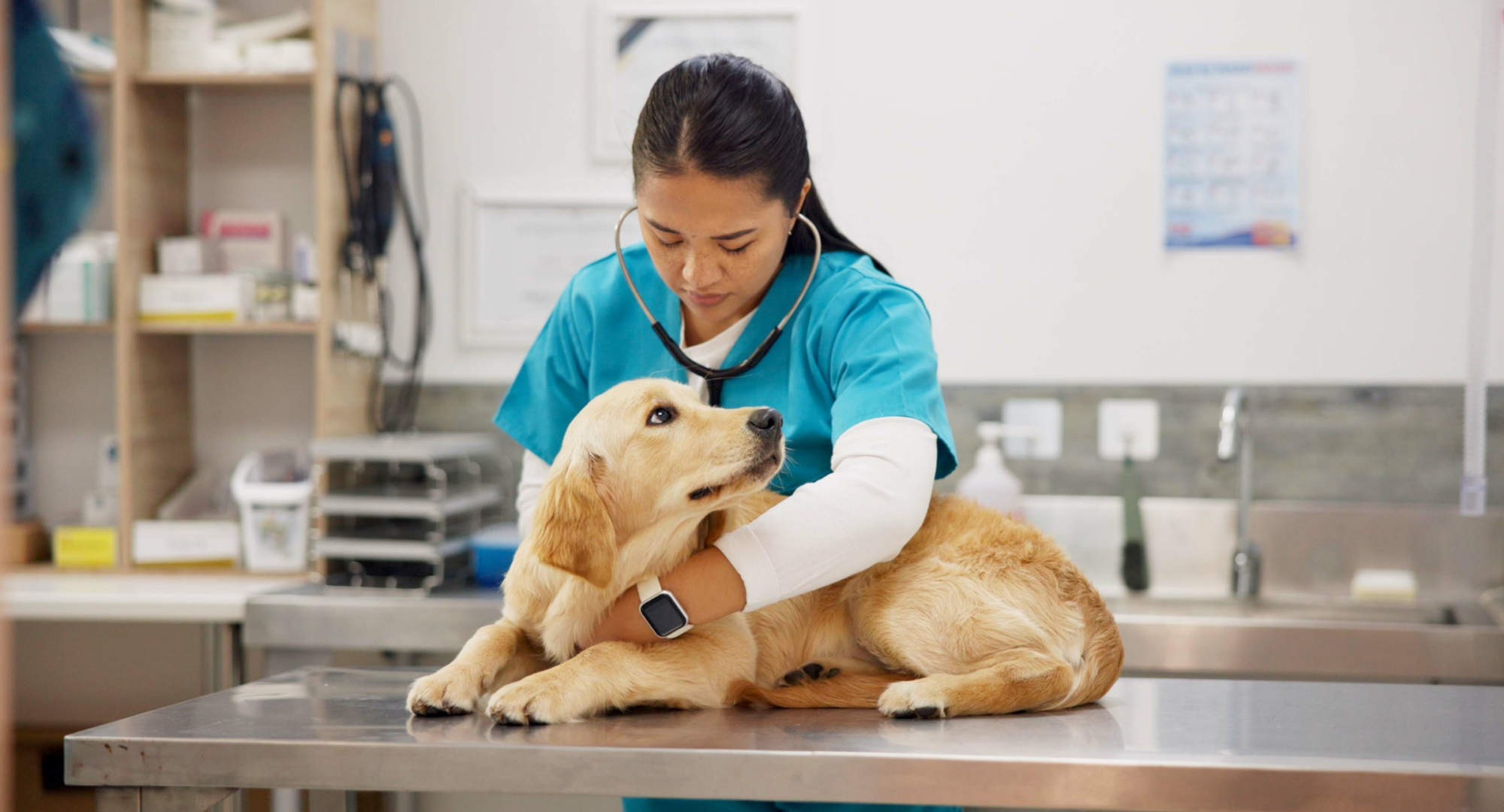
Before introducing any supplements, consult with a veterinarian to ensure they are appropriate for your dog’s specific needs and health status.
Conclusion
Feeding your working adult dog or puppy the right diet is essential for their health, performance, and overall well-being. By understanding their unique nutritional needs, selecting appropriate food types, and establishing a suitable feeding schedule, you can ensure your canine companion thrives in their demanding lifestyle. Always monitor their performance and health indicators to confirm that you’ve found the best fuel for their needs. With the right nutrition, your working dog can continue to excel in their important roles, providing invaluable assistance and companionship.
