

Protein to Fat Ratio in Dog Food Explained
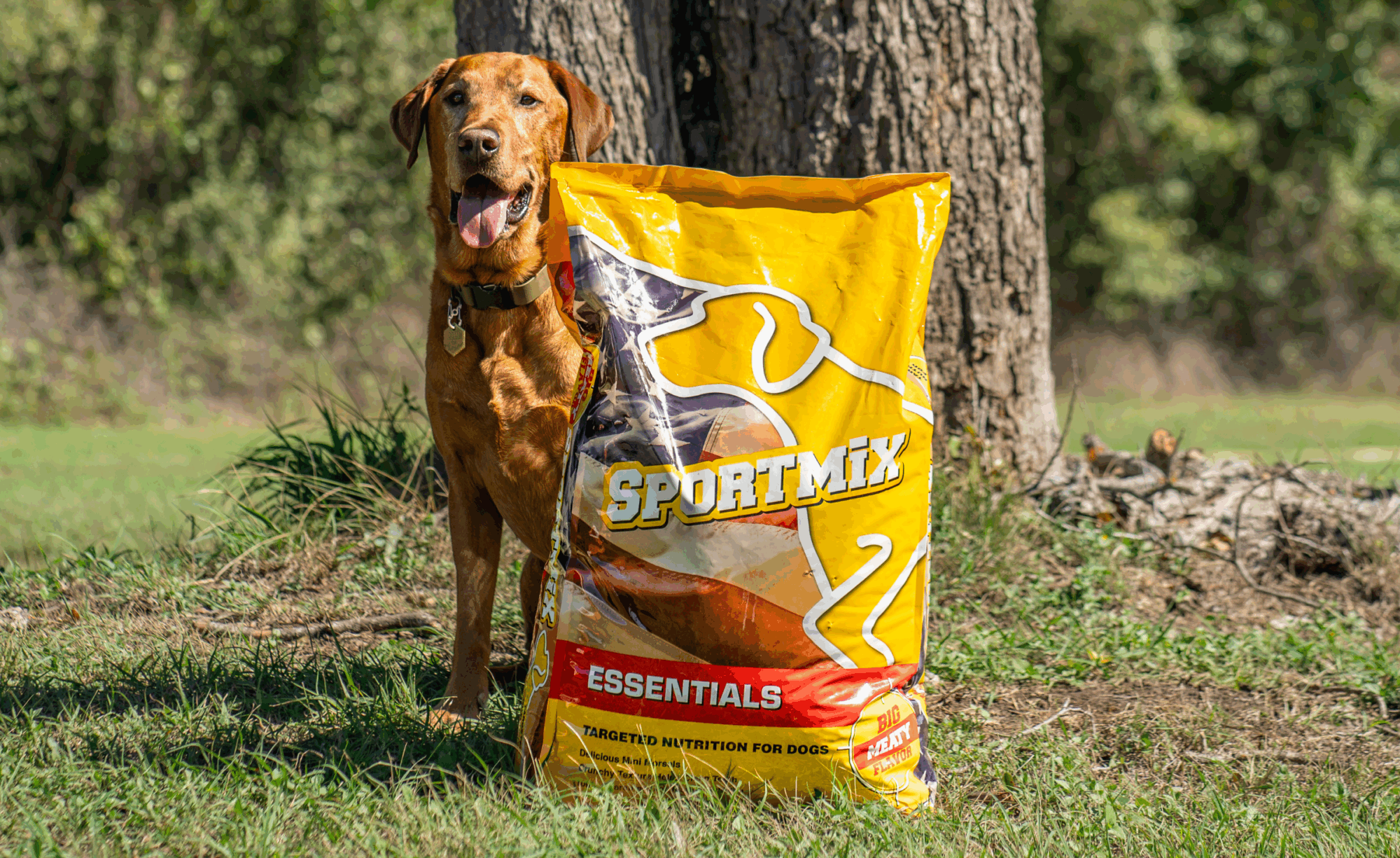
Understanding the nutritional needs of your dog is essential for ensuring their long-term health and well-being. Just like humans, dogs require a balanced diet that includes the right proportions of macronutrients, proteins, fats, and carbohydrates. Among these, the protein to fat ratio in dog food plays a particularly crucial role in delivering complete and balanced nutrition.
In this guide, we’ll help you understand what this ratio means, why it matters, and how to choose dog food that matches your dog’s breed, activity level, and overall health.
What Is the Protein to Fat Ratio in Dog Food?
The protein to fat ratio is a measurement that compares the amount of protein to fat in your dog’s food. It helps determine whether a food provides high protein dog food, low fat dog food, or a more moderate balance based on your dog’s specific needs.
How to Calculate the Ratio
Protein to Fat Ratio = Crude Protein % ÷ Fat %
For example, if a food contains:
- 30% crude protein
- 15% fat
Then:
30 ÷ 15 = 2:1
This means your dog gets 2 grams of protein for every gram of fat ideal for active dogs or growing puppies.
Dry Matter Basis vs. As-Fed Basis
When you read dog food labels, you’ll often see values based on the as-fed basis, which includes water content. However, to compare different types of dog food (like dry kibble vs. wet dog food), it’s more accurate to use the dry matter basis.
Convert to Dry Matter Basis
Dry Matter % = 100 – Moisture %
Then apply the protein-to-fat ratio using the dry matter values for a better comparison. This approach helps pet parents evaluate the nutrient density of various products.
Why Protein and Fat Matter in a Dog’s Diet
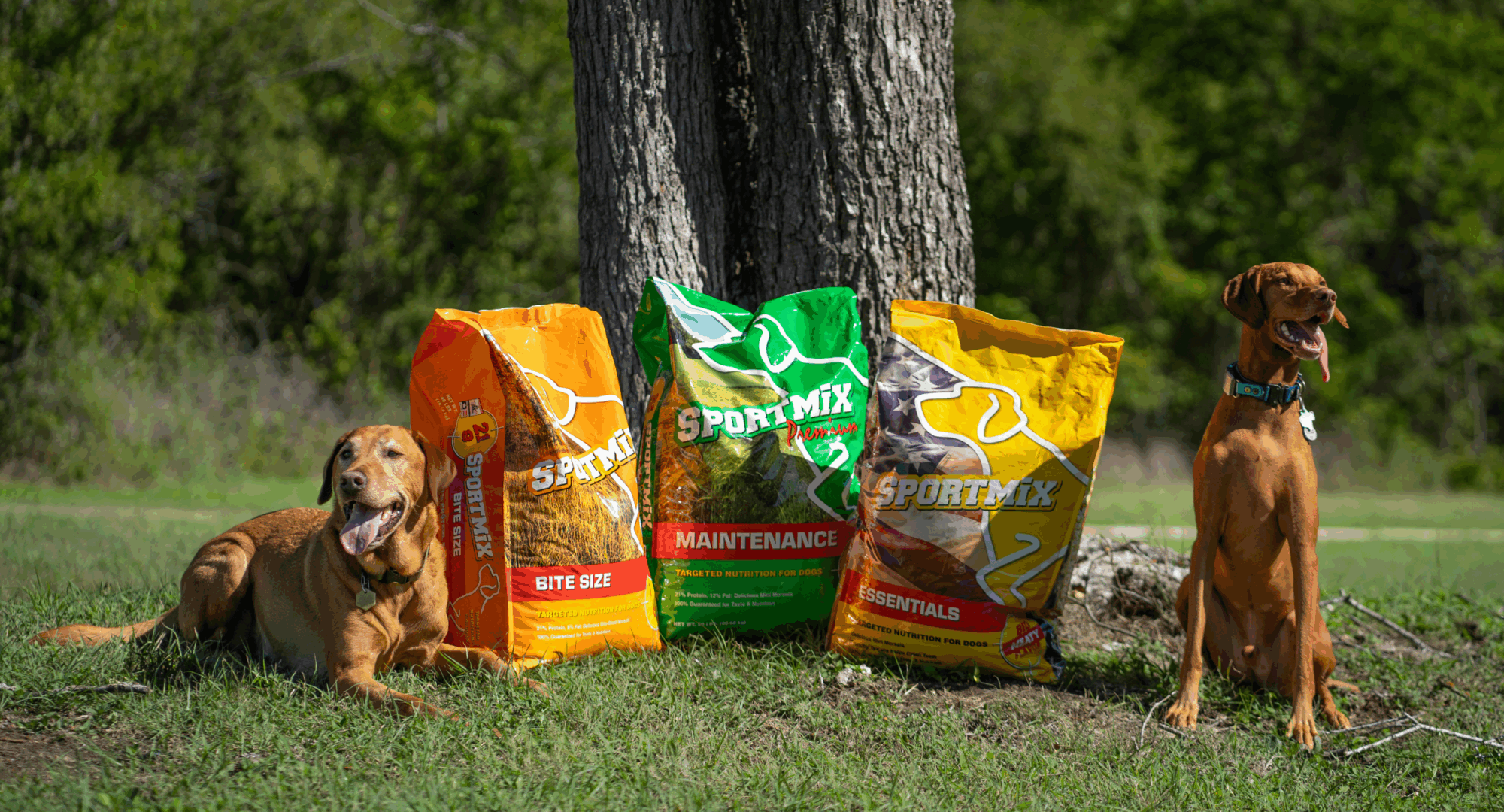
The Role of Protein
Protein provides essential nutrients and amino acids that support:
- Muscle development and repair
- Immune system function
- Hormone and enzyme production
High protein dog food is ideal for:
- Active or working dogs
- Large breeds
- Puppies in growth stages
Too much protein, however, can be problematic for dogs with certain health conditions like kidney disease. Always consider your dog’s individual needs.
The Role of Fat
Fat delivers concentrated energy and helps with:
- Vitamin absorption (A, D, E, K)
- Maintaining healthy skin and coat
- Regulating body temperature
Low-quality fat sources can lead to issues, so read the ingredients list and look for named animal fats like chicken fat or fish oil.
Ideal Protein to Fat Ratios Based on Dog Type
Not all dogs have the same nutritional needs. Here’s how to feed your dog based on age, weight, and activity level:
Puppies
- Ratio: 2:1 or higher
- Crude protein: 25–30%
- Fat: 10–20%
- Why: Supports rapid growth and tissue development
Adult Dogs (Low to Moderate Activity)
- Ratio: ~1.5:1
- Crude protein: 20–25%
- Fat: 10–15%
- Why: Maintains health and energy without overfeeding
Active or Working Dogs
- Ratio: 1:1 to 1.25:1
- Crude protein: 25–30%
- Fat: 15–20%
- Why: Meets high energy demands and performance need
Senior Dogs
- Ratio: 2:1
- Crude protein: ~20%
- Fat: 10–15%
- Why: Helps maintain lean muscle while controlling weight
Dog Food for Overweight Dogs
- Ratio: 3:1 or higher
- Crude protein: 25–30%
- Fat: Less than 10%
- Why: Promotes weight loss while maintaining muscle
How to Read Dog Food Labels Effectively
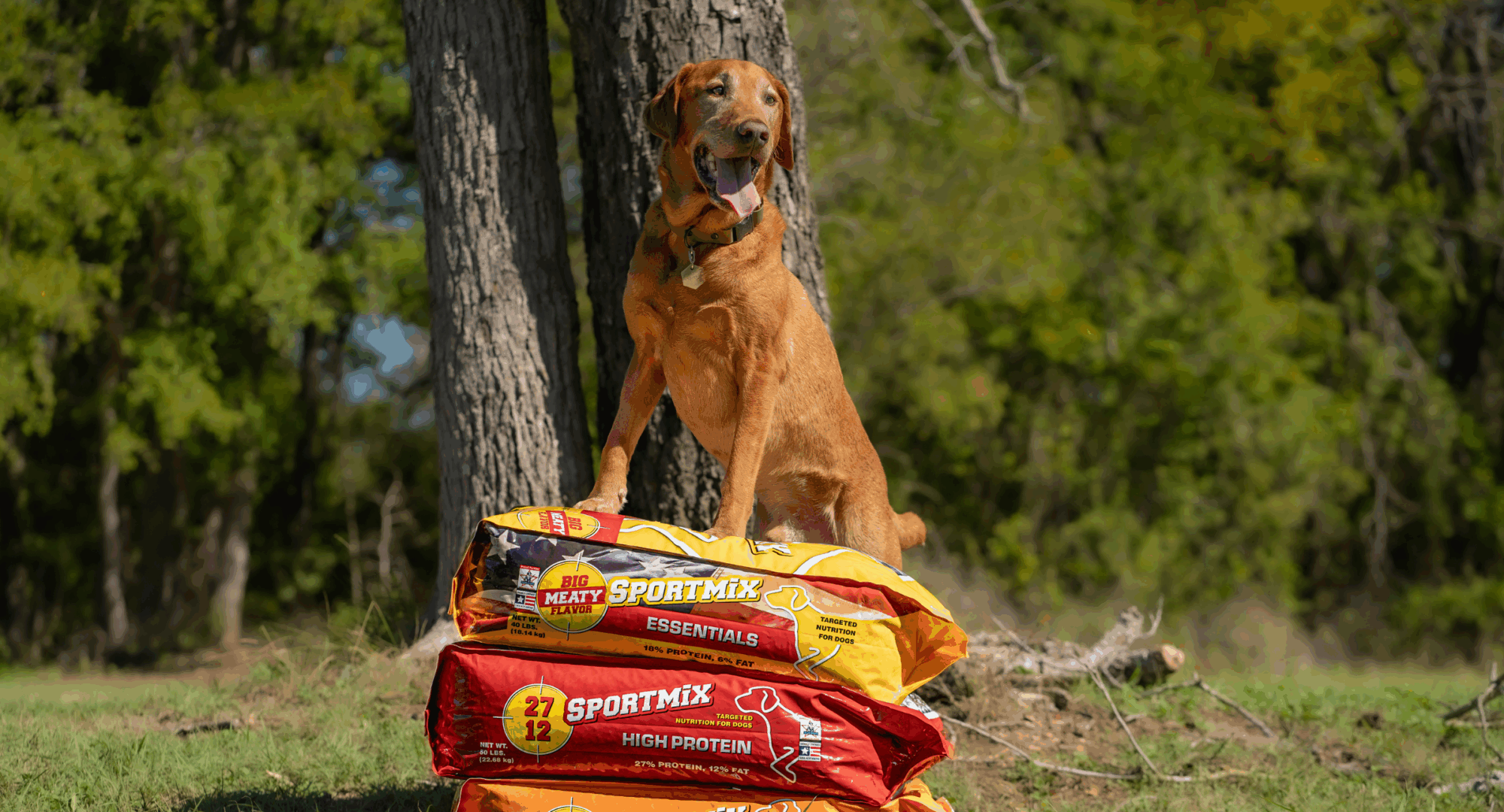
Understanding how to read dog food labels ensures you’re choosing quality food.
Check the Guaranteed Analysis
This section shows minimum levels of crude proteins, fats, fiber, and moisture. Look at the protein to fat ratio to determine if the product is formulated to meet your dog’s needs.
Understand Pet Food Labeling Requirements
Labels must meet standards set by the American Feed Control Officials (AAFCO). Look for the nutritional adequacy statement that reads:
“This product is formulated to meet the nutritional levels established by the AAFCO Dog Food Nutrient Profiles.”
This ensures the food is legally recognized as safe and nutritionally complete by feed control officials.
Common Dog Food Misconceptions
“More Protein is Always Better”
Not all dogs benefit from a high-protein diet. Dogs with health conditions (e.g., kidney disease, liver problems) may require lower protein diets. A well-balanced diet is essential.
“Fat Doesn’t Matter”
Fat plays a vital role in providing your dog with energy. Low fat dog food may be beneficial for dog food for overweight dogs, but too little fat can lead to deficiencies.
“All Foods Are the Same if Protein is Equal”
You must consider the protein to fat ratio, ingredient quality, and dry matter basis to get an accurate picture of dog food ratio and value.
Sample Protein to Fat Ratios by Dog Type
| Dog Types | Protein % | Fat % | Ratio |
| Puppies | 30% | 15% | 2:1 |
| Active Dogs | 25% | 20% | 1.25:1 |
| Senior Dogs | 20% | 10% | 2:1 |
| Overweight Dogs | 30% | 9% | 3.3:1 |
How to Choose Dog Food That’s Right for Your Pet
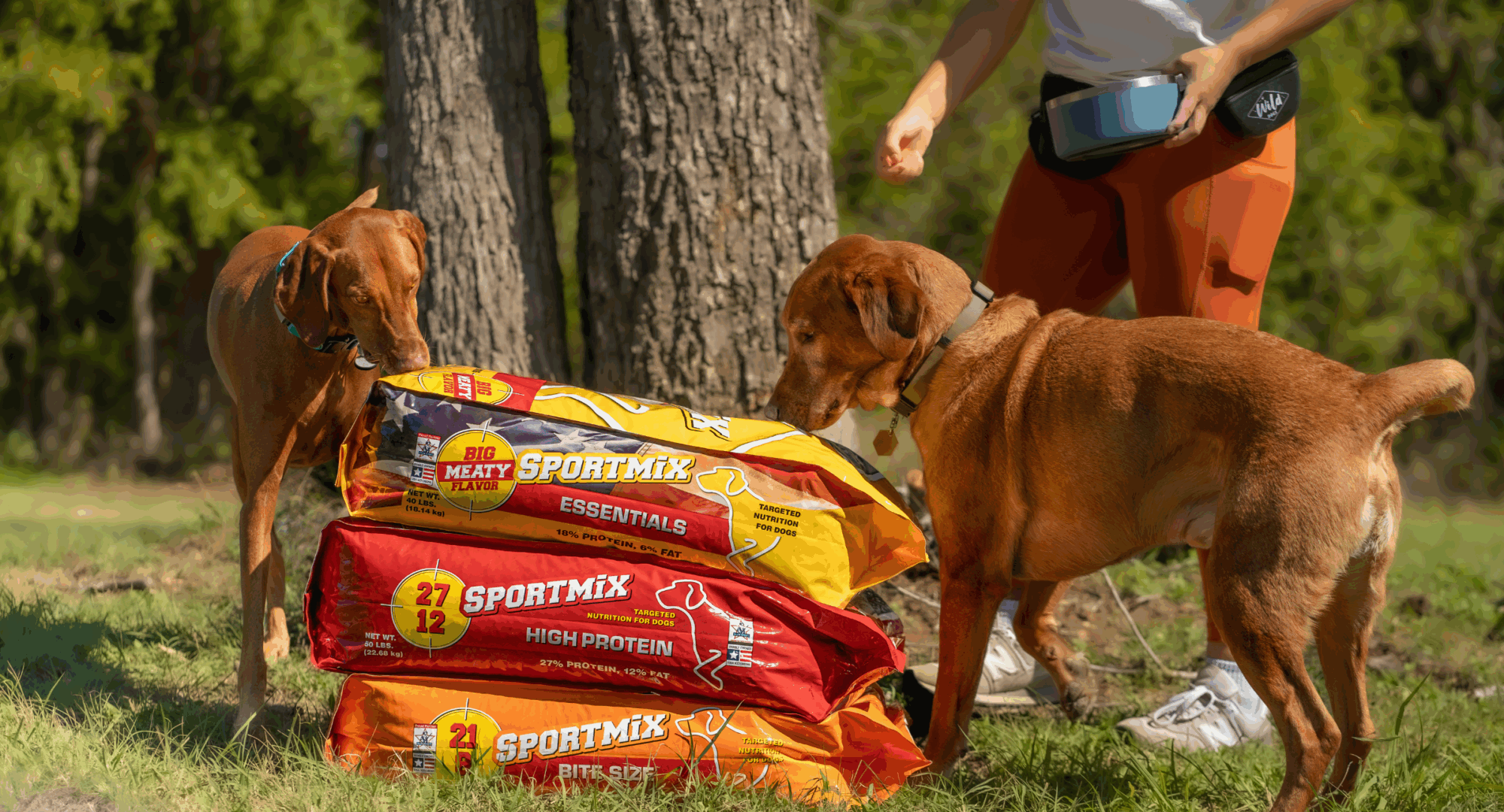
To select the best dog food, consider:
- Breed size (e.g., large breeds may have different needs)
- Age group (puppy, adult, senior dogs)
- Activity level
- Any existing health conditions
- Whether your dog needs high protein dog food, low fat dog food, or a balanced mix
If you’re unsure, consult your vet or a certified pet nutritionist for advice tailored to your dog.
Conclusion: The Bottom Line on Dog Food Ratio
Choosing the right protein to fat ratio in dog food is one of the most important steps in providing complete and balanced nutrition for your pet. By understanding your dog’s individual needs and how to read dog food labels, you can confidently choose food that supports their health, energy, and longevity.
Remember:
- Look at the guaranteed analysis
- Convert to dry matter basis
- Avoid low-quality ingredients
- Choose a food that is formulated to meet AAFCO standards
- Tailor to your dog’s activity level, age, and size
With the right knowledge, you’ll not only feed your dog better, you’ll help them live a longer, healthier life.
