

Can High Protein Dog Food Cause Diarrhea?
Dogs owners often ask, can high protein dog food cause diarrhea when they notice digestive changes after switching foods. This concern makes sense your dog’s health matters, and sudden stomach issues can be worrying. Understanding how protein levels affect digestion can help you make better feeding decisions and avoid unnecessary problems.
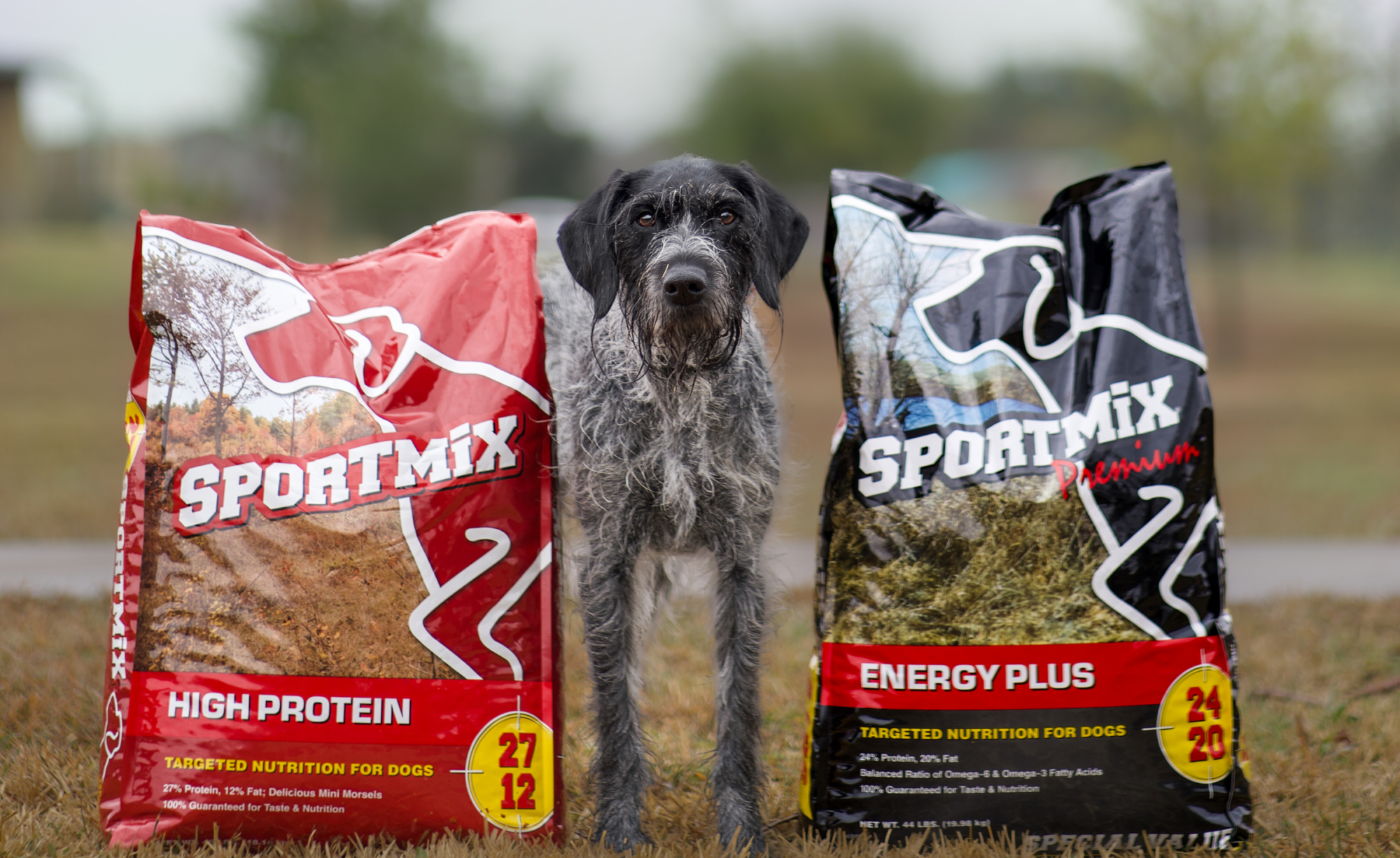
High protein dog food doesn’t typically cause diarrhea on its own. Most digestive issues stem from switching foods too rapidly or feeding too much at once. Dogs with particularly sensitive stomachs might experience some digestive changes with higher protein levels, but the protein content itself rarely creates the problem.
Your dog needs adequate protein for good health – research confirms that dogs require at least 18% crude protein for proper nutrition. Yet more than half of American dogs struggle with excess weight. The key lies in understanding how protein affects your dog’s digestion and making thoughtful choices about food transitions. Quality protein supports your dog’s well-being when introduced properly and fed in appropriate amounts.
Can High Protein Dog Food Cause Diarrhea in Dogs?
How High Protein Dog Food Affects Digestionetween Protein and Digestive Issues
Excess protein can negatively impact stool quality, but many dog owners misunderstand this connection. Dogs that eat more protein than their bodies can process may develop digestive troubles. The real issue usually comes from poor food introduction methods rather than protein levels themselves.
Individual dogs respond differently to protein amounts. Dogs already dealing with digestive sensitivities or food allergies might experience stomach upset even from small protein increases. The protein source matters just as much as the amount. Your dog could thrive on high pea protein levels while struggling with chicken-based formulas.
Poor transition practices cause most diarrhea cases after switching to high protein food. Abrupt diet changes shock your dog’s digestive system, regardless of protein content. Overfeeding or too many treats can also overwhelm the digestive tract, creating loose stools unrelated to protein percentages.
Soft Stool vs Diarrhea: Knowing the Difference
Recognizing what you observe in your dog’s waste helps you decide if veterinary care is needed. Soft stool maintains some form but looks mushier than normal. This consistency typically follows sudden diet changes, new foods, or mild digestive upset.
Diarrhea appears as shapeless, frequent, or watery elimination. Normal dog waste should look firm and well-formed. Research found acceptable stool scores across different protein levels, with averages of 4.5 for low, 4.7 for medium, and 4.8 for high protein foods. These findings show that protein content alone doesn’t create serious digestive problems.
Does Too Much Protein Cause Diarrhea in Dogs?
Dogs that consume more protein than they can digest experience specific internal changes. Protein breakdown in the gut produces compounds that cause digestive discomfort and stronger-smelling gas.
These high protein diets alter gut bacteria populations, encouraging bacteria that feed on protein breakdown products. Fecal pH increased with protein levels, reaching 6.2 for high protein food compared to 5.9 for medium and 5.8 for low protein foods. This pH change can encourage harmful bacteria growth.
Studies show that compounds linked to kidney disease and inflammation increased with higher protein consumption in healthy dogs. Helpful substances like indoleacetate and indolepropionate dropped significantly as protein intake increased. Meanwhile, inflammation-related compounds rose substantially after high protein food consumption.
Why Does High Protein Dog Food Cause Diarrhea in Some Dogs?
The Science Behind Sudden Food Switches
Dogs develop digestive systems that work best with consistent feeding. The stomach and intestines produce specific enzymes, while microbiome population in the intestinal tract adjusts to whatever food you provide regularly. This adaptation helps your dog process nutrients efficiently and maintain healthy digestion.
Abrupt food changes create digestive chaos. Existing enzymes can’t properly break down unfamiliar ingredients, which triggers inflammation along the intestinal lining. This disruption affects the delicate balance of gastrointestinal tissues and beneficial bacteria, often resulting in stomachaches, vomiting, diarrhea, poor appetite, and fatigue.
Can Switching to High Protein Dog Food Cause Diarrhea?
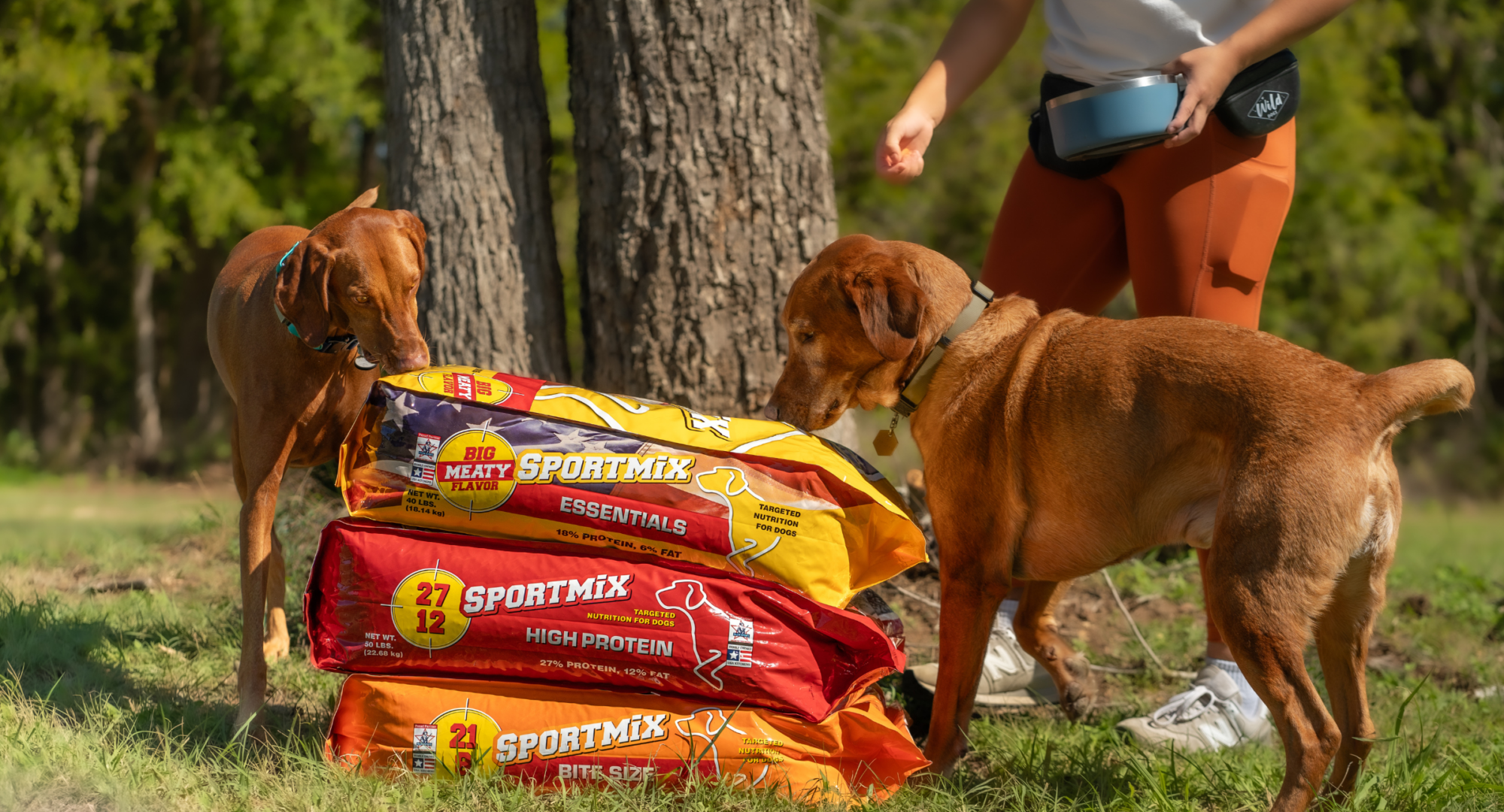
Slow transitions give your dog’s system time to adjust and produce appropriate enzymes for new ingredients. Most dogs require at least one week for safe food changes. Mixing old and new foods during each meal works best, with gradual increases in the new food portion.
Transition Schedule for High-Energy Dog Food Formulas
This 7-day schedule works well for most dogs:
- Days 1-2: 25% new food, 75% old food
- Days 3-4: 50% new food, 50% old food[82]
- Days 5-6: 75% new food, 25% old food[82]
- Day 7: 100% new food[82]
Sensitive dogs often need 10-14 days for complete transitions. Watch for digestive upset, and return to the previous ratio if problems occur.
The Treat Creep and Table Scraps Problem
Human food frequently causes digestive problems in dogs with delicate stomachs. Our food contains ingredients that dogs metabolize differently, and seemingly harmless treats can introduce dangerous substances. Raisins, grapes, chocolate, xylitol, and onions pose serious health risks, potentially causing kidney damage or death. Cooked bones present additional dangers, as they splinter and can lodge in intestinal walls or create blockages.
Is High Protein Dog Food Good for Dogs?
How Much Protein Should Your Dog Actually Get
AAFCO establishes minimum protein requirements at 18% for adult dogs and 22.5% for puppies. Many commercial dog foods contain much higher levels, sometimes exceeding 60% protein. High protein formulations typically contain 28% or more protein on a dry matter basis.
Most healthy dogs thrive on 30% protein diets. The concern that high protein damages healthy kidneys lacks scientific support in dogs with normal kidney function. Older dogs particularly benefit from adequate protein intake to maintain lean muscle mass as they age.
Dogs That Need High Protein Diets
Active and working dogs require extra protein to build muscle tissue and fuel their energy demands. Sled dogs, herding dogs, and other working breeds need higher protein levels to support their physical demands. Pregnant and nursing mothers require increased protein for proper fetal development and milk production.
Puppies need more protein than adult dogs because their bodies are rapidly developing. Senior dogs experiencing muscle loss can maintain better body condition with higher protein intake. Dogs on weight management plans often preserve muscle mass more effectively when protein levels remain adequate despite reduced calories.
Dogs That Should Avoid High Protein Diets
Dogs with kidney disease should avoid high protein foods because compromised kidney function makes processing excess protein difficult. Dogs with advanced kidney disease or certain liver conditions benefit from lower protein diets to reduce organ stress.
Dogs with poorly functioning livers struggle to process high protein levels, which can worsen their condition.
Protein Quality Matters More Than Quantity
Biological value indicates how well your dog’s body can use a particular protein source. Animal proteins provide higher biological value than plant-based proteins. Foods listing specific protein sources like chicken, turkey, or salmon offer better transparency than generic terms like “meat meal”.
The quality of protein determines how effectively your dog’s body absorbs and utilizes it. Most digestive issues stem from rapid food changes or overfeeding rather than protein content itself.
When to Call Your Vet About Diarrhea
Warning Signs That Need Immediate Attention
Single episodes of diarrhea often resolve on their own when your dog acts normal otherwise, and you can safely monitor the situation at home. Your dog needs veterinary care when diarrhea doesn’t clear up within 24 to 48 hours. Multiple episodes create cause for concern. Two or more bouts of diarrhea mean it’s time to call your vet.
Blood in your dog’s stool requires immediate veterinary attention. Hematochezia shows up as bright red blood, indicating bleeding in the colon or lower digestive tract. Melena appears as dark, tarry, almost gelatinous blood that signals serious problems in the upper digestive tract. Contact your vet right away if you notice any blood, and describe exactly what you observed.
Vomiting combined with diarrhea creates rapid dehydration risks. Watch for dehydration signs including sunken eyes, dry nose, and dry sticky gums[261]. Lethargy, weakness, appetite loss, or unusual drooling all require prompt veterinary care[261].
When to Slow Down Your Diet Transition
Mild diarrhea during food transitions means you should reduce the new food amount and extend your schedule. Go back to your dog’s previous diet until stool returns to normal, then begin again more slowly.
Other Common Causes of Diarrhea in Dogs
Parasites, infections, inflammatory bowel disease, pancreatitis, stress, and dietary indiscretion can all trigger diarrhea[261]. The question remains: does high protein dog food cause diarrhea? Most often, the problem lies with transition speed or overfeeding rather than protein content itself.
Conclusion
High protein dog food concerns many pet owners, but the evidence points to feeding practices rather than protein content as the primary cause of digestive upset. Your dog’s digestive health depends more on how you introduce new foods and manage portion sizes than on protein percentages alone.
Take time with food transitions, measure portions carefully, and select foods with clearly identified protein sources. These simple steps protect your dog’s digestive comfort while ensuring they receive the quality nutrition their body needs. Your careful attention to these feeding fundamentals will help your dog enjoy both excellent health and digestive stability.
