

The Best Rabbit Hunting Dogs: 8 Breeds That Excel in the Field
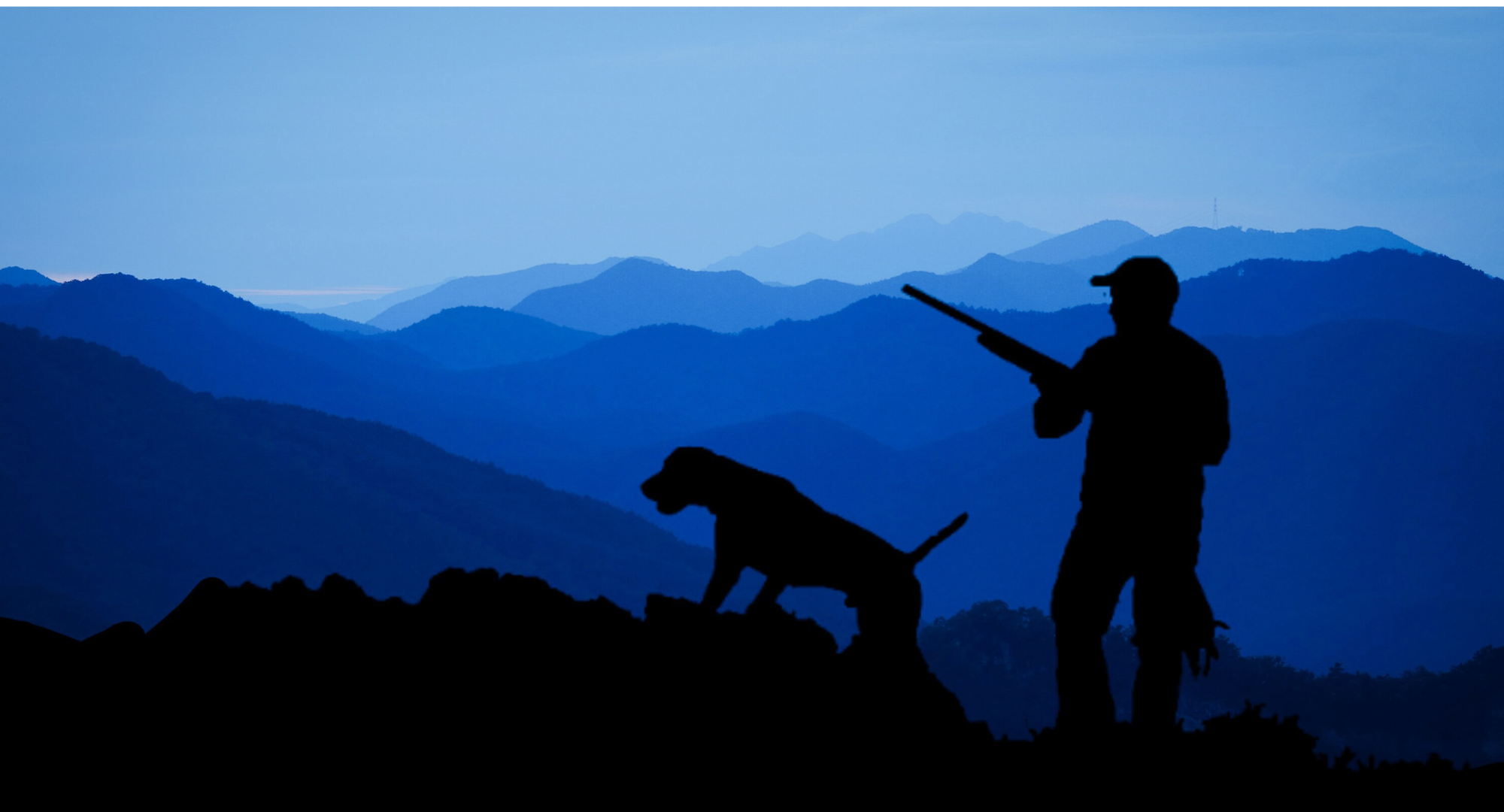
There’s something special about watching a skilled hunting dog pick up a rabbit’s scent and work its way through the brush. Whether you’re a seasoned hunter or preparing for your first hunting season, having the right dog by your side can make all the difference. But with so many breeds used for rabbit hunting, which ones are best suited to the job?
In this guide, we’ll introduce eight rabbit hunting dogs known for their tracking abilities, determination, and enthusiasm in the field. We’ll also cover what to look for when choosing a hunting companion, plus practical advice on training, safety, and nutrition to help your dog perform at its best.
What Makes a Good Rabbit Hunting Dog?
The best rabbit hunting dogs share several important traits, including a strong prey drive, good stamina, and the ability to work through challenging terrain. A good rabbit dog should be comfortable searching dense cover, following a scent trail, and responding to its handler even when the chase gets exciting.
Many hunters prefer scent hounds, such as Beagles and Basset Hounds, because they’re skilled at tracking rabbits through thick brush. These dogs use their noses to follow a trail and chase rabbits, often giving voice to let the hunter know they’re on the scent. Other breeds, including certain terriers, can flush rabbits from brush piles and other hiding spots.
Temperament matters, too. A good rabbit dog needs to be confident, persistent, and trainable, particularly when working alongside other dogs. Some hunters favor dogs that can work independently, while others prefer a pack that cooperates to push rabbits through thick cover.
Ultimately, the right choice depends on your hunting style, the terrain you’ll cover, and whether your dog will also spend most of its time as a family pet.
Our Top Picks for the Best Rabbit Hunting Dogs
Some breeds have spent generations working alongside hunters in pursuit of rabbits and other small game. Others are versatile working dogs with natural abilities that can make them useful in rabbit country, even if they were originally bred for different quarry.
Here are eight breeds worth considering, along with what makes each one stand out:
1) Beagle
The Beagle is perhaps the classic rabbit dog, and it’s easy to understand why. Originally bred to hunt rabbits and hares, these compact hounds have an exceptional sense of smell and the determination to follow a trail through difficult terrain. Their manageable size also makes them well suited to thick cover.
When hunting rabbits, Beagles are particularly effective in packs, using their distinctive voices to signal that they’ve picked up a scent. A Beagle working a fresh trail may keep its nose to the ground even when the rabbit disappears into brush piles. The chase can continue well beyond the hunter’s sight.
Beagles also have friendly personalities that make them popular family pets. However, their strong hunting instincts mean consistent training and a secure yard are essential. AKC field trials also showcase how Beagles follow a rabbit’s scent.
2) Basset Hound
With their long ears, short legs, and powerful noses, Basset Hounds are surprisingly capable hunters. Although they move at a slower pace than many other hounds, they compensate with determination and excellent scent-tracking abilities. Their low stature allows them to work close to the ground.
For hunters who prefer a more deliberate pace when they hunt rabbits, a Basset Hound can be a good fit. These dogs were developed to pursue small game and can work alongside other hounds.
3) Harrier
Larger than a Beagle but smaller than an English Foxhound, the Harrier is an athletic scent hound with plenty of endurance. The breed was developed in England to pursue hares, making it a natural choice for hunters who appreciate dogs capable of covering considerable ground.
Harriers are energetic, sociable, and accustomed to working as part of a pack. Their powerful noses and persistent tracking style are valuable when hunting small game, although their exercise needs can be demanding. Keep in mind that these dogs need substantial daily activity to stay content.
4) Dachshund
Don’t let the Dachshund’s short legs fool you. This little hunting dog has a bold personality and a strong instinct to follow scent trails. Originally developed in Germany to hunt badgers, Dachshunds also have a long history of working with smaller game, including rabbits.
Their compact bodies make them surprisingly capable of navigating dense vegetation and tight spaces. Dachshunds can be independent and determined, so patient training is important. The AKC even organizes Dachshund field trials that evaluate their ability to track rabbits and hares by scent.
5) Jack Russell Terrier
Small, fearless, and bursting with energy, the Jack Russell Terrier brings a different hunting style to the field. Unlike scent hounds that chase rabbits along scent trails, these determined terriers are often more useful for searching cover and flushing rabbits from hiding places.
Jack Russells descended from terriers developed for fox hunting, although the shorter-legged variety was also used to bolt rabbits and hunt vermin. Their agility and strong prey drive help them hunt small game. They’re quick learners, although their independent nature requires consistent handling. With appropriate training, some can also work as versatile shooting companions.
6) American Foxhound
The American Foxhound is a larger, long-legged scent hound known for its speed and impressive stamina. As its name suggests, the breed was developed primarily for hunting foxes. However, its tracking abilities can also be useful when pursuing other game across open or expansive terrain.
These athletic dogs are best suited to hunters who can provide plenty of physical activity and space. They’re generally friendly with people and other dogs, but their strong prey drive and independent temperament require careful management.
The American Foxhound isn’t a traditional rabbit specialist, so Beagles may be more practical for hunters who mainly hunt rabbits in smaller areas.
7) Petit Basset Griffon Vendéen
The Petit Basset Griffon Vendéen, often shortened to PBGV, is a small French scent hound originally bred to hunt rabbits and other small game. Its rough coat, sturdy build, and determined personality make it particularly well suited to working through thick vegetation.
These cheerful dogs are natural pack hunters and enjoy having other dogs around. They’re also energetic and curious, with an independent streak that calls for patient training. Their hunting heritage stretches back to the rugged countryside of western France, where they were developed to navigate demanding terrain.
8) Mountain Cur
The Mountain Cur is a tough, versatile hunting dog with roots in rural America. Traditionally used to hunt squirrels, raccoons, and larger game, this muscular breed is known for its agility, courage, and ability to work across rugged landscapes, including wooded hillsides and dense brush.
Although Mountain Curs aren’t traditional rabbit specialists, their hunting instincts and ability to work through challenging terrain may make some individuals useful when pursuing small game. Their intelligence and strong work ethic make them adaptable hunting companions, especially for hunters interested in multiple types of game. They’re also loyal family companions when given sufficient activity and attention.
How to Choose the Right Rabbit Hunting Dog
Choosing a good rabbit dog involves more than finding a breed with a good nose. If you plan to hunt rabbits regularly, the terrain you cover and the time you can devote to training will influence which dog suits you best.
Start by considering where you usually hunt rabbits. Smaller hounds, such as Beagles and PBGVs, can be excellent choices for working through thick brush and tangled vegetation. Larger, faster dogs may be better suited to covering more open ground, although speed isn’t necessarily an advantage when pursuing rabbits.
Next, think about whether you want a rabbit dog that works alone or alongside a pack. Some hunters prefer Beagles, Bassets, or Harriers because of their pack-hunting traditions, while others choose terriers that can flush rabbits from cover.
If you’re new to rabbit hunting and have never trained a rabbit dog before, learning from an experienced handler can help you understand the differences. Ask people who’ve raised Beagles for fieldwork what they’ve learned about training and handling them.
It’s also important to consider life outside hunting season. High-energy breeds need regular exercise, mental stimulation, and attention throughout the year. A dog that spends weekends searching the woods still needs a comfortable home, a secure yard or kennel, shelter from the weather, and opportunities to use its natural abilities during the week.
Finally, don’t assume every dog of a particular breed will excel at rabbit hunting. Individual temperament, health, training, and breeding background can be just as important as breed characteristics.
If possible, meet working dogs from the lines you’re considering before choosing a pup. Seeing how Beagles follow a trail, for example, can tell you more than simply reading a breed description.
Tips for Keeping Your Rabbit Hunting Dog Safe and Healthy
A successful hunt starts well before you enter the woods. Even naturally talented hunting dogs need preparation, conditioning, and proper care to handle the physical demands of working outdoors. Keeping your rabbit dog safe matters more than what ends up in the game bag.
From building reliable commands to choosing appropriate nutrition, a few good habits can help keep your pup comfortable and ready for the next hunt.
Training, Conditioning, and Hunting Safety
Begin with basic obedience, particularly recall, a reliable sit or stop command, and walking calmly on a leash. A dog trained to respond reliably is easier to manage around other hunters, wildlife, and unfamiliar terrain. Gradually introduce rabbit scent work and field exercises, making training fun while building fitness before hunting season rather than expecting your dog to handle a full day immediately.
The right hunting gear is equally important. A well-fitting blaze orange vest can improve visibility, while identification and GPS tracking equipment may help you locate your dog if it follows a trail out of sight.
The AKC recommends carrying essential hunting supplies, including a canine first-aid kit. Check that the vest fits comfortably, inspect all gear for snagging risks in heavy brush, and carry a spare leash if possible. You should also carry a game bag, drinking water, and extra gear for changing conditions.
Always follow local hunting regulations, including season dates and land-access rules. Before taking a shot, make sure everyone knows where the dogs are, and never fire if a dog could be in the line of fire.
During a chase, a pup may disappear into deep cover or become distracted by deer, so keep track of its location. After a day in the field, check paws, ears, and skin for cuts, tears in paw pads, ticks, or embedded debris, and provide plenty of water and recovery time, especially in very hot or cold weather.
Our guide to keeping hunting dogs healthy covers additional precautions.
Fueling Hunting Dogs With SPORTMiX
An active rabbit dog can expend considerable energy searching, tracking, and moving through difficult terrain. Nutritional needs may increase during periods of intense activity, making the right food an important part of preparation.
At SPORTMiX, we offer several formulas designed with active and working dogs in mind.
Our High Energy recipe provides a minimum of 26% protein and 18% fat for active adult dogs. For working dogs with demanding energy needs, Energy Plus offers 24% protein and 20% fat, while Extreme Energy delivers 30% protein and 20% fat.
High Energy and Energy Plus are formulated for adult dogs, while Extreme Energy is suitable for all life stages except the growth of large-size dogs expected to weigh 70 pounds or more as adults.
Remember that food requirements can change between hunting season and the off-season, so monitor body condition and adjust portions when you feed your dog. Explore our full selection of SPORTMiX dog food to find a formula suited to your hunting companion.
Key Takeaways
- Beagles are a classic choice. Their outstanding scent-tracking abilities, compact size, and pack-hunting instincts make Beagles popular choices for rabbit hunters. Basset Hounds, Harriers, and PBGVs are other strong options for hunters who prefer scent hounds.
- Different breeds bring different strengths. Dachshunds excel at following scent trails, while Jack Russell Terriers can be useful for flushing rabbits from cover. American Foxhounds and Mountain Curs offer versatility but aren’t primarily rabbit specialists.
- Match your dog to your hunting style. Consider the terrain, available space, and whether you prefer hunting alone or with a pack. A dog’s temperament and training background matter just as much as its breed.
- Prepare before hunting season. Obedience training, physical conditioning, and appropriate safety gear help reduce risks in the field. Always follow local regulations, monitor your dog’s location, and check for injuries after each outing.
- Support performance with proper nutrition. Active hunting dogs may need additional calories during periods of strenuous work. At SPORTMiX, we offer several formulas for active dogs, allowing you to choose nutrition that fits your dog’s energy requirements.
Which Rabbit Hunting Dog Is Right for You?
The best rabbit hunting dogs combine natural hunting ability with the temperament, stamina, and training needed for the job.
Beagles remain a favorite for their tracking skills and manageable size, but other breeds offer advantages depending on the terrain and your preferred hunting style. Whether you choose a determined terrier or a hardworking scent hound, the right match can make your time outdoors more enjoyable.
Whatever breed you choose, remember that a great hunting companion needs more than instinct. Consistent training, regular exercise, proper nutrition, and good veterinary care all contribute to a long, active life. Take the time to prepare your dog properly, and you’ll have a dependable partner to share many hunting seasons with.