

10 Most Stubborn Dog Breeds and What Pet Parents Should Expect
Some dogs are eager to follow commands right away. Others pause, think it over, and sometimes decide to do things their own way. If your pup seems determined to move at their own pace, you may be dealing with one of the most stubborn dog breeds.
In this guide, we’ll look at what makes certain dog breeds more stubborn than others and what dog owners should realistically expect. We’ll also share practical training tips to help you work with your dog’s personality and build a strong bond through patience and consistency.
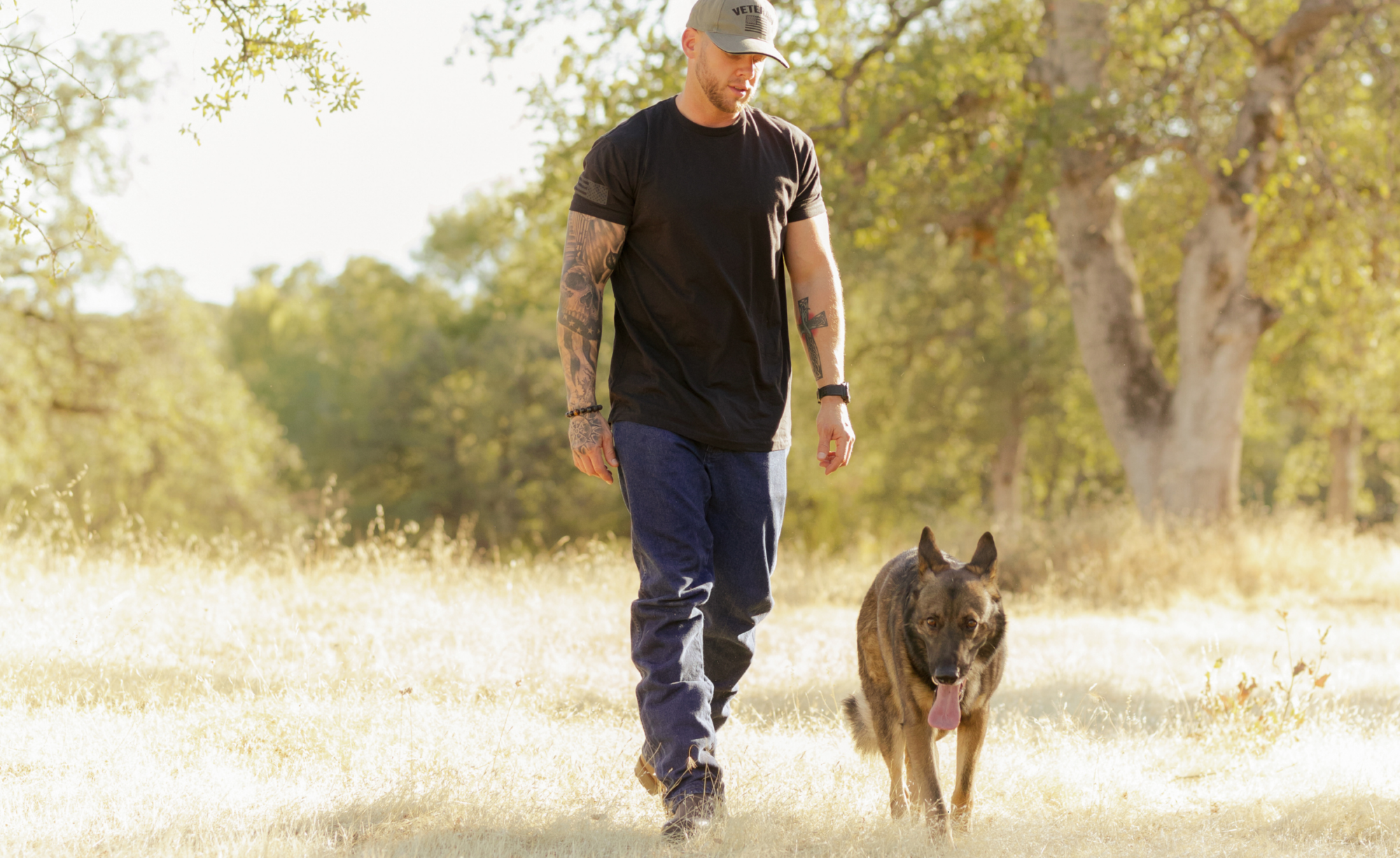
What Makes a Dog Breed Stubborn?
When people describe a dog as stubborn, they usually mean the dog doesn’t consistently follow commands or seems selective about when they listen. In reality, stubbornness is often tied to intelligence, independence, or the purpose the breed was originally bred for.
Many stubborn dog breeds were developed to work independently from humans. Hunting dogs, terriers, and sled dogs often needed to make decisions on their own in the field. That independence can show up as resistance during obedience training.
A stubborn dog isn’t necessarily defiant. They may simply have a strong personality, high intelligence, or a certain level of confidence. Understanding these unique traits can help owners adjust their training style and expectations.
Our Top Picks of the Most Stubborn Breeds
While every dog is an individual, some breeds tend to show more stubbornness than others. That doesn’t make them bad pets. In fact, many of the most stubborn dog breeds are also loyal, intelligent, and incredibly charming family members.
Here are ten stubborn dog breeds that dog owners often describe as both challenging and lovable:
1) Jack Russell Terrier
The Jack Russell Terrier is small but packed with energy and confidence. Originally bred to chase and hunt small animals, this breed has a strong prey drive and independent streak.
Jack Russells are intelligent and quick learners, but they can become bored easily. If training isn’t engaging or fun, they may decide to follow their own rules. Consistent exercise and mentally stimulating activities help keep this stubborn breed focused.
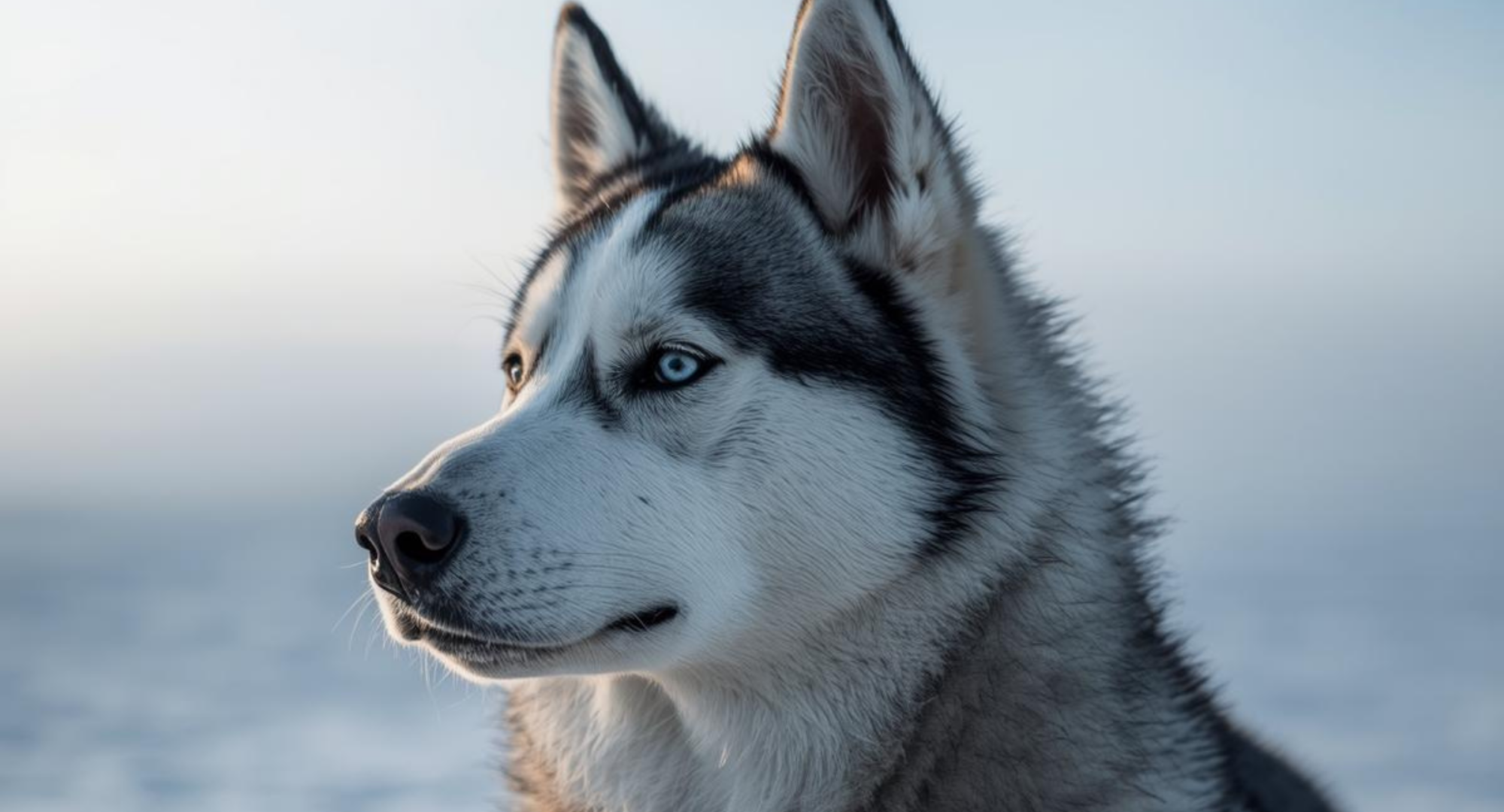
2) Siberian Husky
Known for its striking appearance and love of outdoor adventures, the Siberian Husky is an independent breed. Huskies were originally bred to pull sleds over long distances, often working in teams but making decisions independently.
This independence can translate into selective listening. A husky may understand commands perfectly but choose to respond at their own pace. With patience and structured training, they can learn to follow commands reliably.
3) Beagle
Beagles are curious, scent-driven dogs that tend to follow their nose wherever it leads. Originally bred for tracking and hunting, they are highly focused on smells and easily distracted.
Because of this, obedience training can feel challenging for dog owners. A Beagle may hear you but become more interested in a scent nearby. Using scent-based games or activities can make training more effective and fun.
4) Dachshund
Originally bred to hunt badgers, which required courage and determination, the Dachshund is a fearless and determined breed. That bold personality often shows up as stubbornness in daily life.
Dachshunds are loyal and affectionate with their family, but they may test boundaries. Clear rules, consistency, and early training help prevent stubborn behavior from becoming a long-term habit.
5) Chihuahua
Don’t let their tiny size fool you. Chihuahuas often have a big personality. This breed can be very loyal to their owners but wary of strangers or other dogs.
Because of their confidence, Chihuahuas sometimes resist commands if they don’t see the point. Positive reinforcement and socialization are key to helping this stubborn pup become a well-adjusted family member.
6) English Bulldog
The English Bulldog has a reputation for being laid-back and adorable. However, bulldogs can also have a stubborn streak that makes training slow at times.
They tend to move at their own pace and may not respond quickly to commands. Patience and short, consistent training sessions work best with this charming but sometimes stubborn breed.
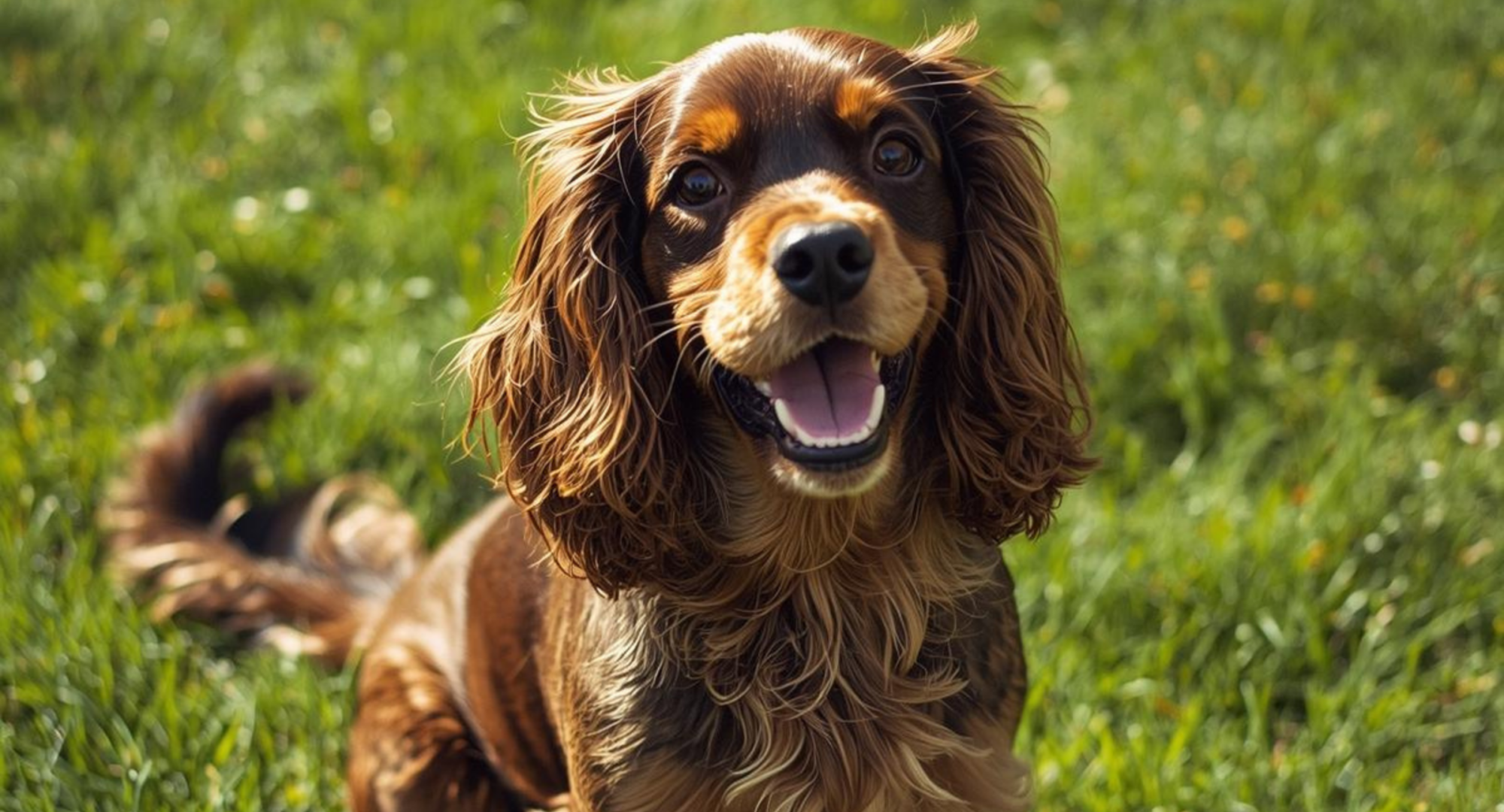
7) Cocker Spaniel
The Cocker Spaniel is often described as sweet and affectionate, especially with children and family. While not as strong-willed as some other breeds, they can still show stubbornness.
Cocker Spaniels are intelligent and sensitive. Harsh training methods may cause them to shut down rather than obey. Gentle guidance and consistent structure help them thrive.
8) Afghan Hound
Known for elegance and independence, the Afghan Hound is a distinctive breed. Originally bred for hunting in rugged terrain, this breed developed a strong sense of self-reliance.
Afghan Hounds are intelligent but may not always feel motivated to obey commands. They respond best to respectful training and clear communication. Understanding their independent personality is essential.
9) Shiba Inu
The Shiba Inu is confident, alert, and often described as cat-like in its independence. This breed tends to think for itself and may resist repetitive training.
Shibas are loyal to their family but may appear aloof. Early socialization and consistent obedience training are important to manage their strong-willed nature.
10) Terrier Breeds
Terriers as a group are known for determination and high energy. Many were originally bred to hunt vermin, which required courage and independence.
Because of this background, terriers often question commands and test limits. However, with structure, exercise, and mental stimulation, these stubborn pups can become loyal and entertaining companions.
Tips for Training a Stubborn Dog Successfully
Just because you own one of the most stubborn dog breeds doesn’t mean training is impossible. It just means you’ll need a bit more understanding, patience, and the right approach. So, where do you start?
First and foremost, focus on consistency. Like humans, dogs respond better when expectations remain the same day after day. Using clear commands and sticking to consistent routines helps reduce confusion and reinforces what you’re trying to teach.
Next, lean into positive reinforcement. Reward-based training is a powerful tool for encouraging your dog to repeat desired behaviors. Whether it’s tasty treats, enthusiastic praise, or a game of fetch, positive reinforcement can motivate even the most independent breeds. Remember, you’re working with their nature, not against it.
Don’t forget that a bored dog is often a “stubborn” dog. Mental stimulation is just as important as physical exercise. Activities like scent games are a fantastic way to channel your dog’s natural instincts into something productive and fun. You can explore ideas like scent training for dogs to keep those intelligent brains engaged and out of trouble.
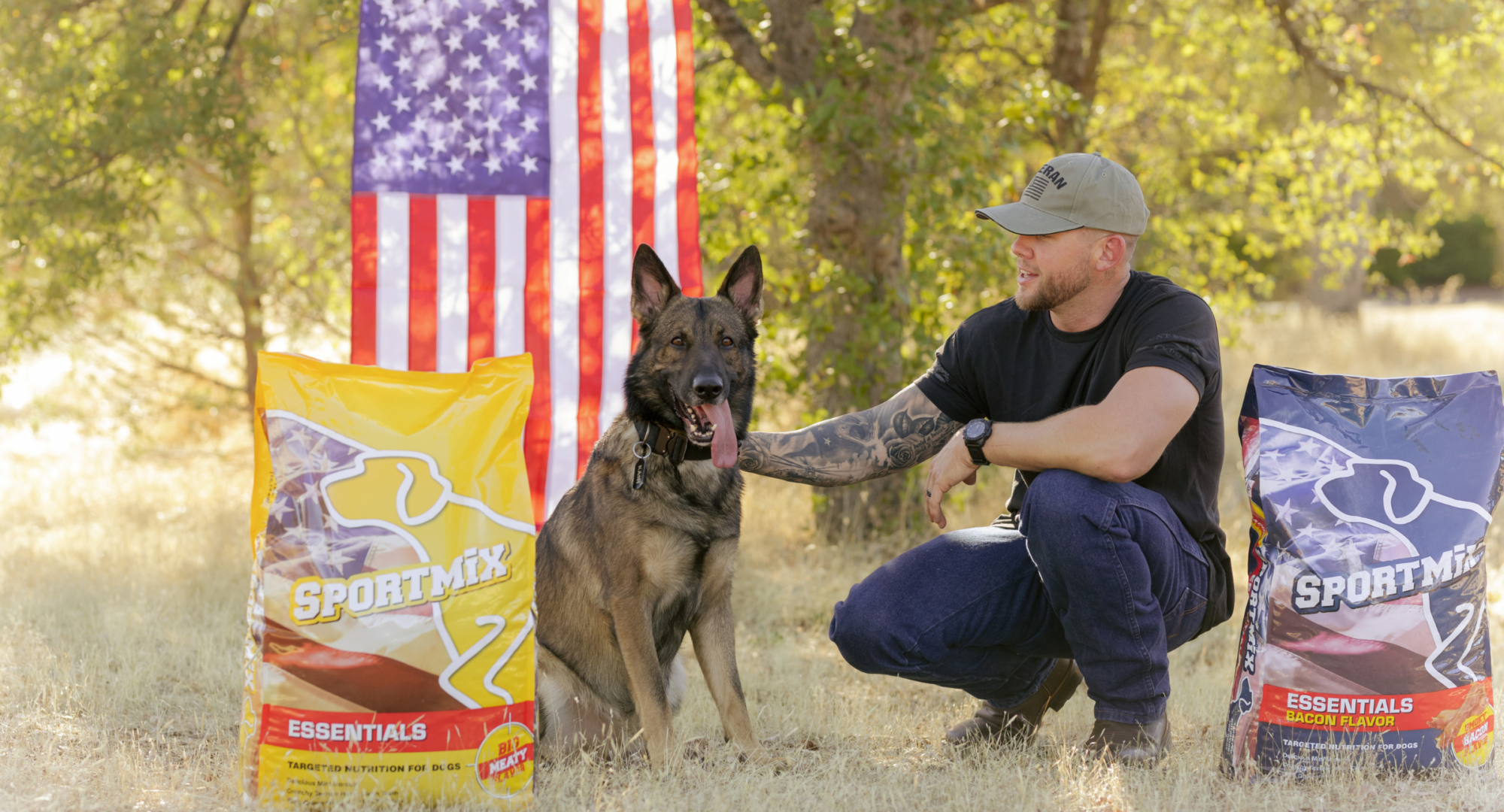
Finally, a healthy dog is a happy dog. Make sure your canine companion’s nutritional needs are being met with a balanced diet. High-quality dog food like SPORTMiX provides the fuel they need for learning, playing, and living their best life. A well-fed dog is more likely to have the focus and energy required for training.
If training feels overwhelming, don’t hesitate to seek professional help. Experienced trainers can provide guidance tailored to your dog’s personality and specific behavior challenges.
Key Takeaways
- Stubborn doesn’t mean unintelligent. Many of the most stubborn dog breeds are highly intelligent and were originally bred to work independently. Their stubbornness often reflects independence rather than defiance.
- Training requires patience and consistency. Stubborn dog breeds respond best to clear expectations, positive reinforcement, and steady routines. Harsh methods often backfire.
- Understanding the breed helps set expectations. Knowing a dog’s background, energy level, and natural instincts can help owners adjust their approach and build a strong bond.
- Structure and exercise are essential. Mental stimulation and regular exercise reduce unwanted behavior and help stubborn pups focus during training.
Can You Successfully Raise a Stubborn Dog?
So, what should dog owners expect when adopting one of the most stubborn dog breeds? You may face challenges with obedience training and selective listening. But you’ll also likely gain a loyal, entertaining, and deeply devoted companion.
With patience, understanding, and consistent training, stubbornness can become just another part of your dog’s personality rather than a constant frustration. In many cases, the same independence that makes these breeds challenging also makes them unforgettable family members.