

How to Get Rid of Fleas on Dogs
Fleas are a common nuisance for pet owners, especially dog lovers. These tiny parasites not only cause discomfort for your furry friends but can also invade your home, leading to a frustrating battle against infestations. Understanding how to identify, treat, and prevent fleas is essential for maintaining your dog’s health and happiness. This guide for how to get rid of fleas on dogs will provide you with effective strategies and keep them at bay.
Understanding Fleas: The Basics
Fleas are small, wingless insects that thrive on the blood of mammals, including dogs and humans. They are typically brown and can jump up to 150 times their body length, making them difficult to catch. Fleas can reproduce rapidly, with a single female laying up to 50 eggs per day. This rapid reproduction can lead to a significant infestation if not addressed promptly.
Signs Your Dog Has Fleas
Recognizing the signs of flea infestation is crucial for timely intervention. Here are some common indicators that your dog may be suffering from fleas:
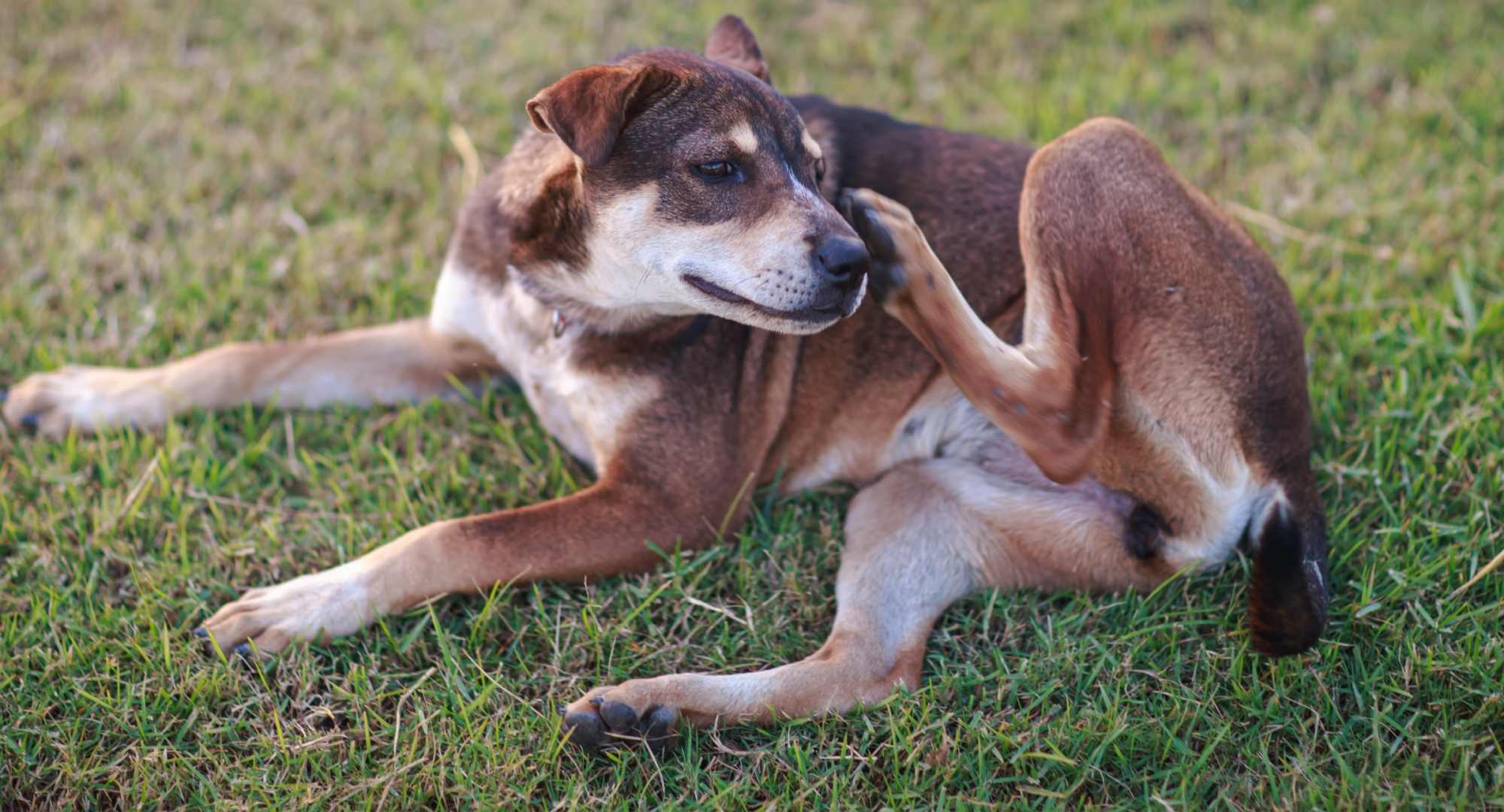
- Excessive Scratching: If your dog is scratching more than usual, it may be due to flea bites. Flea saliva can cause allergic reactions, leading to intense itching.
- Flea Dirt: Look for small black specks in your dog’s fur or bedding. This “flea dirt” is actually flea feces, which consists of digested blood.
- Red Bumps or Irritation: Flea bites can cause red, raised bumps on your dog’s skin, particularly around the neck, tail, and belly.
- Hair Loss: Continuous scratching can lead to hair loss and skin infections.
- Restlessness: If your dog seems unusually restless or agitated, it may be trying to cope with the discomfort caused by fleas.
Effective Flea Treatments for Dogs
Once you’ve confirmed that your dog has fleas, it’s time to take action. There are several effective treatments available on how to get rid of fleas on dogs, ranging from topical solutions to oral medications. Here are some popular options:
Flea Collars
Flea collars are a convenient option for ongoing flea prevention on how to get rid of fleas on dogs. They release chemicals that repel or kill fleas and can provide protection for several months. When choosing a flea collar, look for one that is safe for your dog’s size and age. Always follow the manufacturer’s instructions for proper use.
Topical Treatments
Topical flea treatments are applied directly to your dog’s skin, usually between the shoulder blades. These treatments work by spreading through your dog’s skin oils, providing protection against fleas for up to a month. Popular brands include Frontline and Advantage. Consult your veterinarian to find the best option for your pet.
Oral Medications
Oral flea medications are another effective way to eliminate fleas. These pills work by entering your dog’s bloodstream and killing fleas when they bite. Some options provide immediate relief, while others offer long-term protection. Always consult your veterinarian before starting any new medication.
Flea Shampoo
Bathe your pet with a specialized flea shampoo to kill adult fleas and soothe irritated skin. Look for shampoos that contain ingredients like pyrethrins or natural oils. Be sure to follow the instructions carefully and avoid over-bathing, as this can strip your dog’s coat of essential oils.
Home Remedies for Fleas
If you prefer a more natural approach, several home remedies can help you get rid of fleas on dogs. While these methods may not be as immediately effective as commercial treatments, they can be useful for prevention and maintenance.
Diatomaceous Earth
Diatomaceous earth is a natural powder made from fossilized algae. It can be sprinkled in areas where fleas are likely to hide, such as carpets and pet bedding. The tiny particles damage the exoskeletons of fleas, leading to dehydration and death. Ensure you use food-grade diatomaceous earth for safety.
Apple Cider Vinegar
Apple cider vinegar can act as a natural flea repellent. Mix equal parts of apple cider vinegar and water in a spray bottle and lightly mist your dog’s coat. The strong smell deters fleas, but it won’t kill them. Use this method in conjunction with other treatments for best results.
Essential Oils
Certain essential oils, such as lavender, cedarwood, and rosemary, can repel fleas. Dilute a few drops of essential oil in a carrier oil and apply it to your dog’s collar or bedding. Always consult your veterinarian before using essential oils, as some can be toxic to pets.
Cleaning Your Home to Eliminate Fleas
To effectively rid your home of fleas, it’s essential to address both your dog and the environment. Fleas can lay eggs in carpets, upholstery, and bedding, leading to reinfestation. Here are some cleaning tips to help you eliminate fleas from your home:
Vacuum Regularly
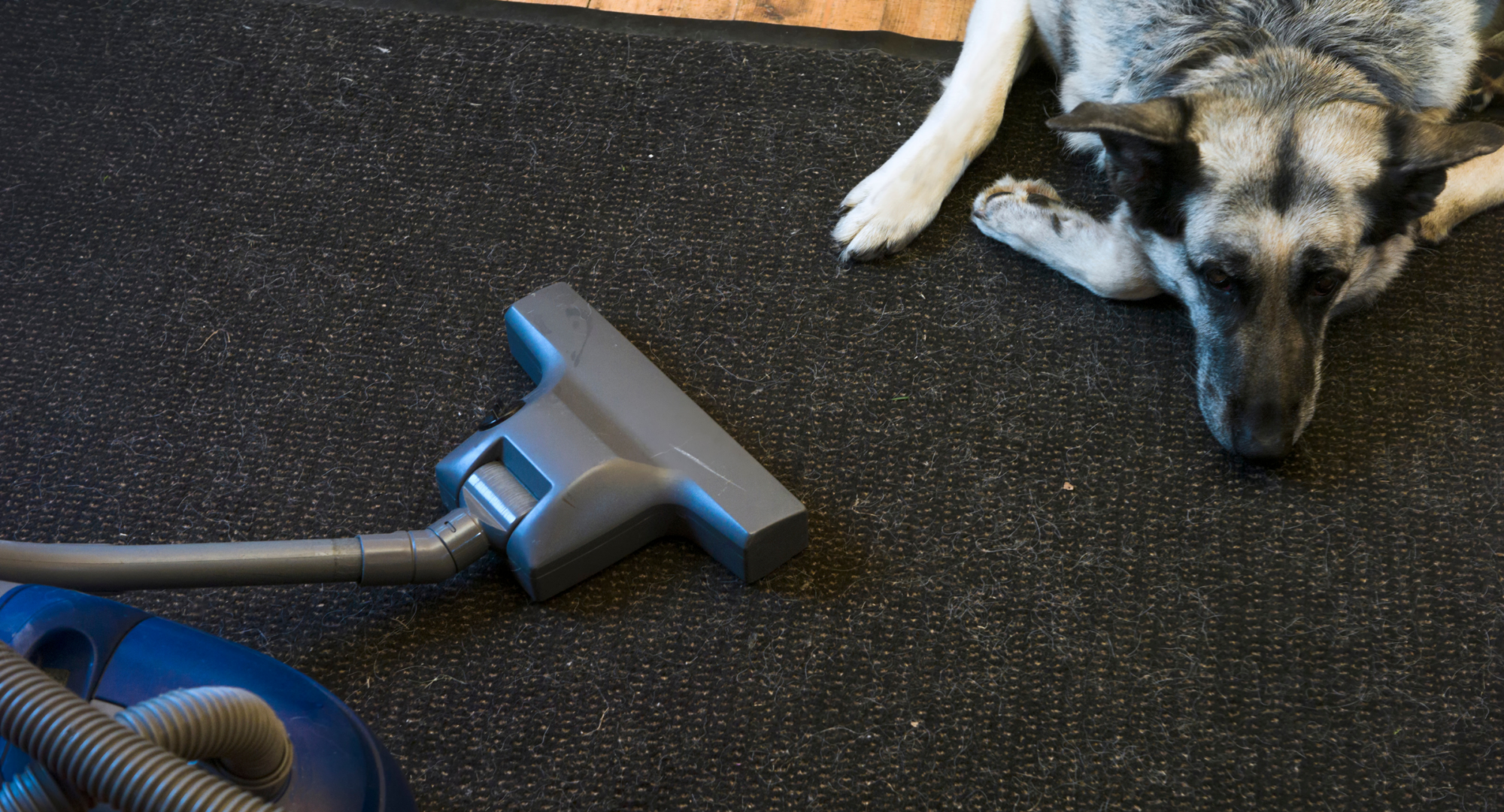
Vacuuming is one of the most effective ways to remove fleas and their eggs from your home. Focus on areas where your dog spends time, including carpets, rugs, and furniture. Be sure to dispose of the vacuum bag or empty the canister outside to prevent fleas from re-entering your home.
Wash Bedding and Fabrics
Wash your dog’s bedding, toys, and any blankets they frequently use in hot water. This will help kill any fleas or eggs that may be hiding in the fabric. Additionally, wash your own bedding if your dog sleeps with you.
Use Flea Sprays
Consider using flea sprays designed for home use. These sprays typically contain insecticides that kill adult fleas and disrupt the life cycle of eggs and larvae. Always follow the manufacturer’s instructions and ensure the product is safe for use around pets and children.
Preventing Future Flea Infestations
Once you’ve successfully eliminated fleas from your dog and home, it’s crucial to implement preventive measures to keep them from returning. Here are some effective strategies:
Regular Grooming
Regular grooming can help you spot fleas before they become a problem. Use a fine-toothed flea comb to check your dog’s coat for fleas and flea dirt. This is especially important during warmer months when fleas are more active.
Maintain a Clean Environment
Keeping your home clean is essential for flea prevention. Regularly vacuum and wash your dog’s bedding to eliminate any potential flea eggs or larvae. Consider using a steam cleaner on carpets and upholstery for added effectiveness.
Consult Your Veterinarian
Work with your veterinarian to establish a flea prevention plan tailored to your dog’s needs. This may include regular treatments with flea collars, topical solutions, or oral medications. Your vet can also provide guidance on the best products for your specific situation.
When to Seek Professional Help
In some cases, flea infestations can become overwhelming, and you may need to seek professional assistance. If you’ve tried multiple treatments without success or if your dog shows signs of severe irritation or infection, it’s time to consult a veterinarian or a pest control expert.
Signs You Need Professional Help
- Severe Skin Irritation: If your dog develops hot spots, sores, or severe itching, consult your veterinarian for appropriate treatment.
- Persistent Infestation: If you continue to see fleas despite your efforts, a professional exterminator may be necessary to eliminate the problem.
- Health Concerns: If your dog shows signs of illness, such as lethargy, weight loss, or vomiting, seek veterinary care immediately.
Conclusion
Dealing with fleas can be a challenging experience for both you and your dog. By understanding how to identify, treat, and prevent fleas, you can ensure your pet remains comfortable and healthy. Whether you choose commercial treatments or natural remedies, the key is to act quickly and consistently. With the right approach, you can successfully rid your dog of fleas and keep them from returning, allowing both you and your furry friend to enjoy a flea-free life.
