

Why Does My Dog Eat Less When It’s Hot?
As the temperature rises during the summer months, many dog owners notice a change in their furry friends’ eating habits. If you’ve found yourself wondering, “Why does my dog eat less when it’s hot?” you’re not alone. This phenomenon is quite common and can be attributed to several factors related to temperature, metabolism, and overall well-being. Understanding these changes can help you ensure your dog remains healthy and happy during the warmer months.
The Impact of Heat on Appetite
Natural Instincts and Self-Regulation
Dogs, like many animals, have evolved mechanisms to cope with environmental changes. When temperatures soar, their instinctual response may lead them to eat less. This behavior is a form of self-regulation, allowing them to conserve energy and avoid overheating. In essence, your dog’s body is telling them to slow down and eat lighter meals, which is perfectly normal.
Metabolic Changes in Hot Weather
During hot weather, a dog’s metabolism tends to slow down. This reduction in metabolic rate means that dogs require fewer calories to maintain their energy levels. Consequently, you may notice your dog eating less during the summer months. This is a natural adaptation that helps them manage their body temperature more effectively.
Hormonal Influences
In addition to metabolic changes, hormonal fluctuations can also play a role in your dog’s appetite. Increased daylight and warmer temperatures can trigger hormonal responses that affect how dogs process food. These changes can lead to decreased food-seeking behavior, further contributing to a reduced appetite.
Best Feeding Times for Dogs in Hot Weather
Timing is Everything
One effective way to encourage your dog to eat during the summer is to adjust their feeding schedule and figuring out essential sumer nutrition. Serving meals during the cooler parts of the day such as early morning or late evening can make a significant difference. This strategy not only aligns with your dog’s natural instincts but also helps prevent food from becoming unappetizing in the heat.
Creating a Comfortable Eating Environment
In addition to timing, the environment where you feed your dog is crucial. Ensure that their feeding area is cool and shaded. A comfortable setting can encourage your dog to eat more readily. Avoid feeding them in direct sunlight or in areas that are too warm, as this can deter them from their meals.
Understanding “Topper Panic”
The Dangers of Overcompensation
When dog owners notice their pets eating less in the heat, there can be a tendency to panic and add toppings or mix-ins to their food to entice them to eat. While this may seem like a good idea, it can lead to digestive issues. Introducing new foods or excessive toppings can upset your dog’s stomach, leading to further reluctance to eat.
Maintaining a Balanced Diet
Instead of resorting to toppers, focus on maintaining a balanced diet for your dog. If your dog is eating less, consider adjusting portion sizes rather than adding new ingredients. This approach helps ensure that your dog receives the necessary nutrients without overwhelming their digestive system.
Adjusting Portion Sizes
Monitoring Food Intake
As the temperature rises, it’s essential to monitor your dog’s food intake closely. If you notice a significant decrease in their appetite, consider reducing their portion sizes. This adjustment can help prevent food waste and ensure that your dog is still getting the nutrients they need without overloading their system.
Nutrient Density Matters
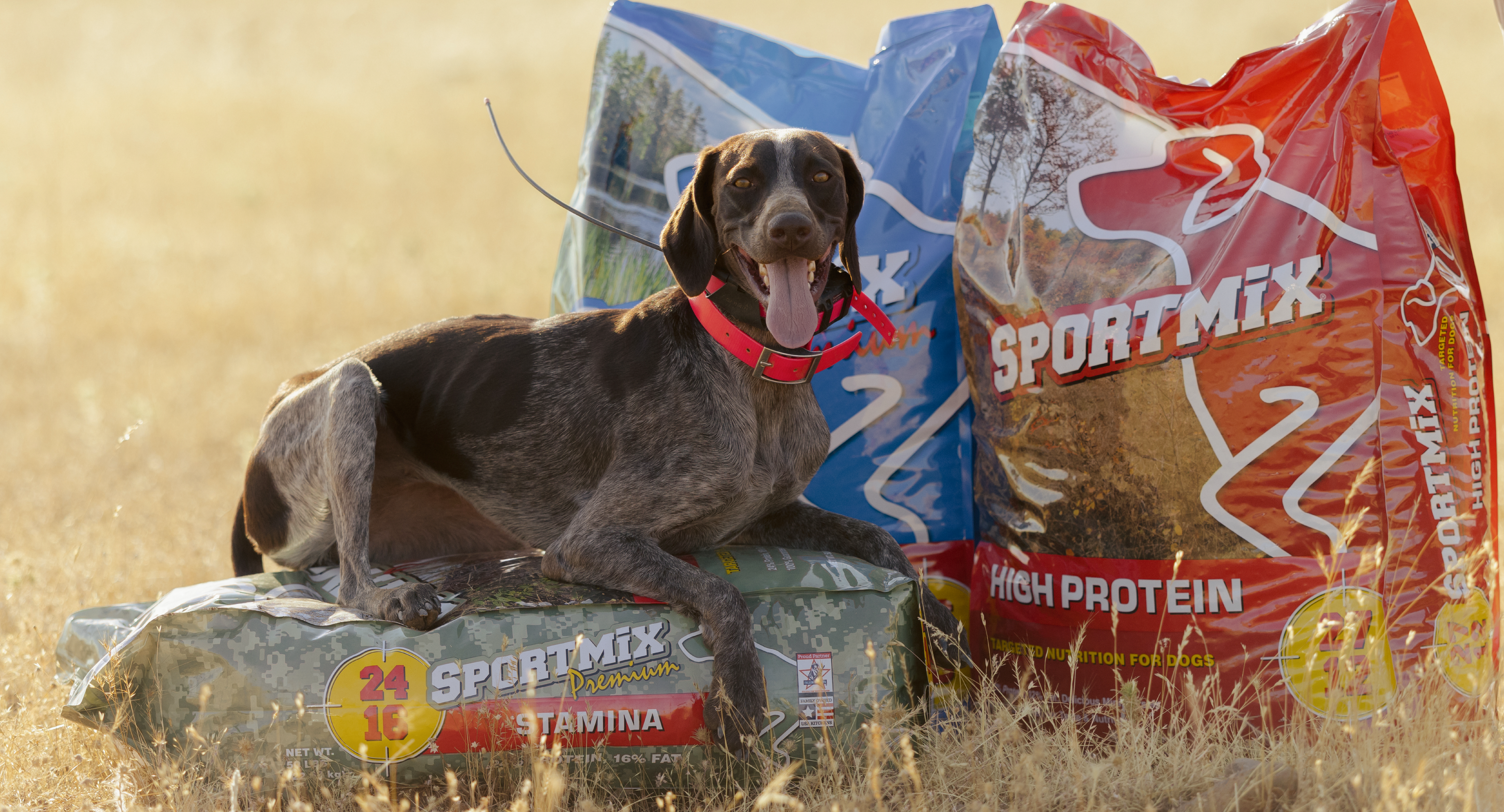
When adjusting portion sizes, it’s crucial to focus on nutrient density. Opt for high-quality dog food such as SPORTMiX dog food premium or original formulas that provides essential vitamins and minerals in smaller amounts. This way, even if your dog eats less, they can still receive the necessary nutrients to maintain their health.
Signs of Dehydration and When to Call the Vet
Recognizing Dehydration Symptoms
During hot weather, hydration is paramount. Dogs may not drink enough water, leading to dehydration. Signs of dehydration include dry gums, lethargy, and a lack of skin elasticity. If you notice these symptoms, it’s essential to take action immediately.
When to Seek Veterinary Help
If your dog exhibits severe signs of dehydration, such as vomiting, diarrhea, or extreme lethargy, it’s crucial to consult your veterinarian. These symptoms can indicate a more serious issue that requires professional attention. Always err on the side of caution when it comes to your pet’s health.
Hydration Strategies for Hot Days
Encouraging Water Intake
To keep your dog hydrated during the summer, ensure they have access to fresh water at all times. You can encourage them to drink more by adding a splash of low-sodium broth to their water bowl. This simple trick can make water more appealing and help maintain hydration levels.
Hydrating Foods
Incorporating hydrating foods into your dog’s diet can also help. Fruits and vegetables with high water content, such as watermelon, cucumber, and zucchini, can provide additional hydration while serving as tasty treats. Just be sure to remove any seeds or rinds that could pose a choking hazard.
Cooling Techniques for Dogs
Creating a Comfortable Environment
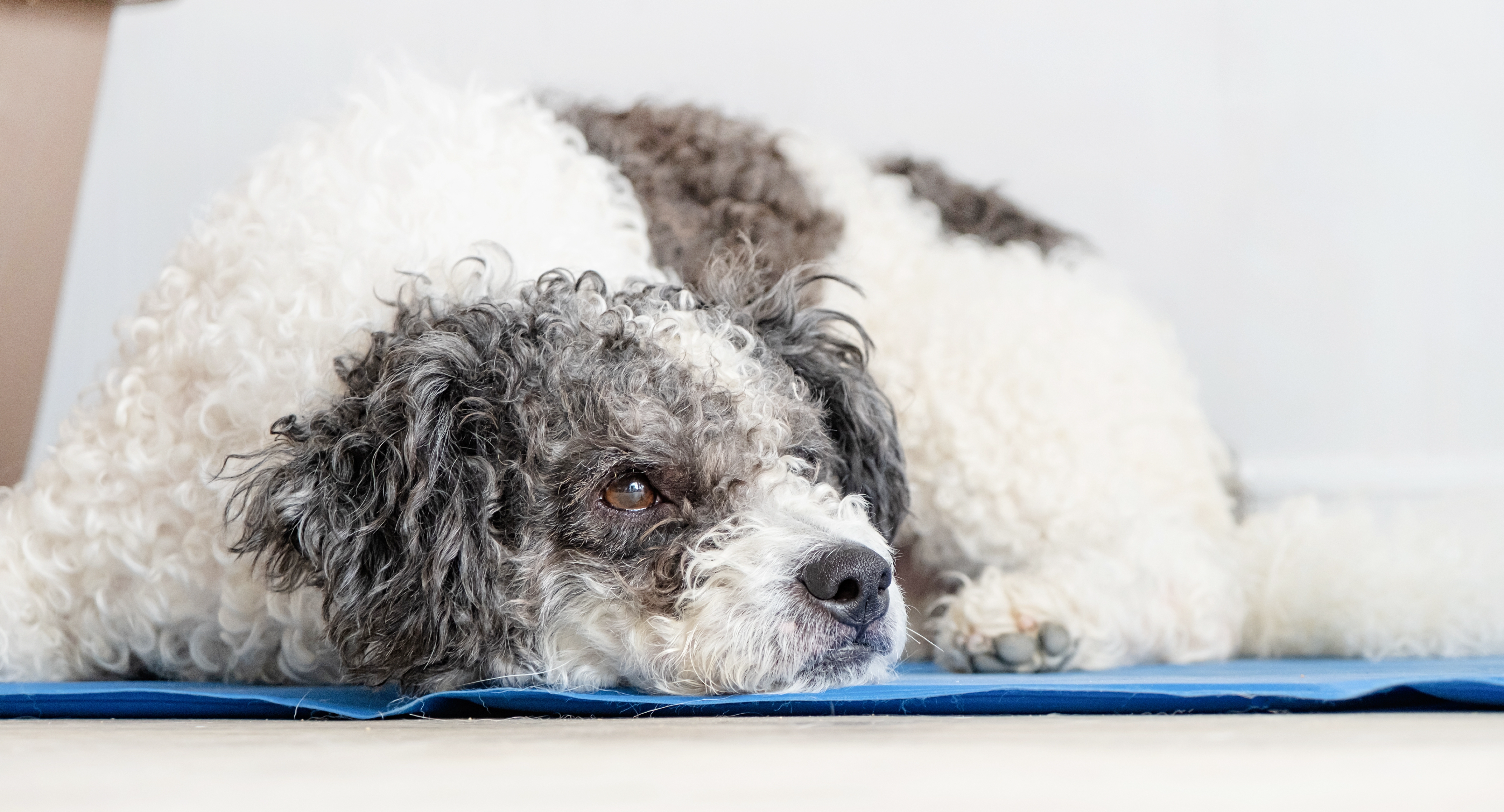
Keeping your dog cool during hot weather is essential for their overall well-being. Providing shaded areas, cooling mats, or even a kiddie pool can help your dog regulate their body temperature. These simple additions can make a significant difference in your dog’s comfort level.
The Role of Fans and Air Conditioning
Using fans or air conditioning can also help keep your dog cool. Position a fan in a spot where your dog likes to rest, allowing them to enjoy a refreshing breeze. If you have air conditioning, ensure your dog has access to the coolest areas of your home.
Engaging Activities for Hot Days
Mental Stimulation Over Physical Exercise
On particularly hot days, it’s essential to adjust your dog’s activity level. Instead of long walks or vigorous play, consider engaging your dog in mentally stimulating activities. Scent work games or puzzle toys can provide entertainment without the risk of overheating.
Indoor Play Ideas
Indoor play can be a great way to keep your dog active while avoiding the heat. Simple games like hide-and-seek or fetch in a cool room can keep your dog entertained and engaged. These activities can help prevent boredom and maintain your dog’s mental health during the summer months.
Understanding Breed-Specific Needs
Tailoring Care to Your Dog’s Breed
Different dog breeds have varying sensitivities to heat. Brachycephalic breeds, such as Bulldogs and Pugs, may struggle more with heat than others. Understanding your dog’s breed-specific needs can help you tailor their care during hot weather.
Special Considerations for Senior Dogs
Older dogs may also require additional attention during the summer months. They may be more susceptible to heat-related issues, so it’s essential to monitor their behavior closely. Ensure they have access to cool areas and adjust their feeding and activity levels as needed.
Conclusion
Understanding why dogs eat less when it’s hot is crucial for ensuring their health and happiness during the summer months. By adjusting feeding schedules, monitoring hydration, and providing a comfortable environment, you can help your furry friend navigate the heat with ease. Remember, if you have any concerns about your dog’s appetite or health, don’t hesitate to reach out to your veterinarian for guidance. Your dog’s well-being is worth the effort, and with a little care, you can make their summer enjoyable and safe.
