

Should I Feed My Dog Before or After a Long Hunt?
When it comes to preparing your dog for a long day of hunting, nutrition plays a crucial role in ensuring they perform at their best. As a dog owner, understanding the optimal feeding schedule and knowing if you should feed your dog before or after a long hunt can significantly impact your canine companion’s energy levels, stamina, and overall health. This article will explore the best practices for feeding your hunting dog, including meal timing, portion sizes, and hydration strategies, to help you make informed decisions for your furry partner.
Understanding Your Dog’s Nutritional Needs
The Importance of Nutrition for Hunting Dogs
Hunting dogs are not just pets; they are working animals that require specific nutritional support to thrive during demanding activities. Their bodies undergo significant physical exertion, which necessitates a diet rich in essential nutrients. A well-balanced diet helps maintain their energy levels, supports muscle recovery, and promotes overall health.
Key Nutrients for Performance
To fuel your hunting dog effectively, focus on the following key nutrients:
- Protein: Essential for muscle repair and growth, high-quality protein sources should be a staple in your dog’s diet. Look for performance dog food that contains at least 28-30% protein.
- Fat: Healthy fats provide a concentrated source of energy, crucial for endurance during long hunts. Aim for a fat content of 18-20% in their food.
- Carbohydrates: While not as critical as protein and fat, carbohydrates can provide quick energy. However, they should not be the primary energy source for working dogs.
- Vitamins and Minerals: These micronutrients support various bodily functions, including immune health and joint support.
Meal Timing: Pre-Hunt and Post-Hunt Strategies
Pre-Hunt Feeding Guidelines
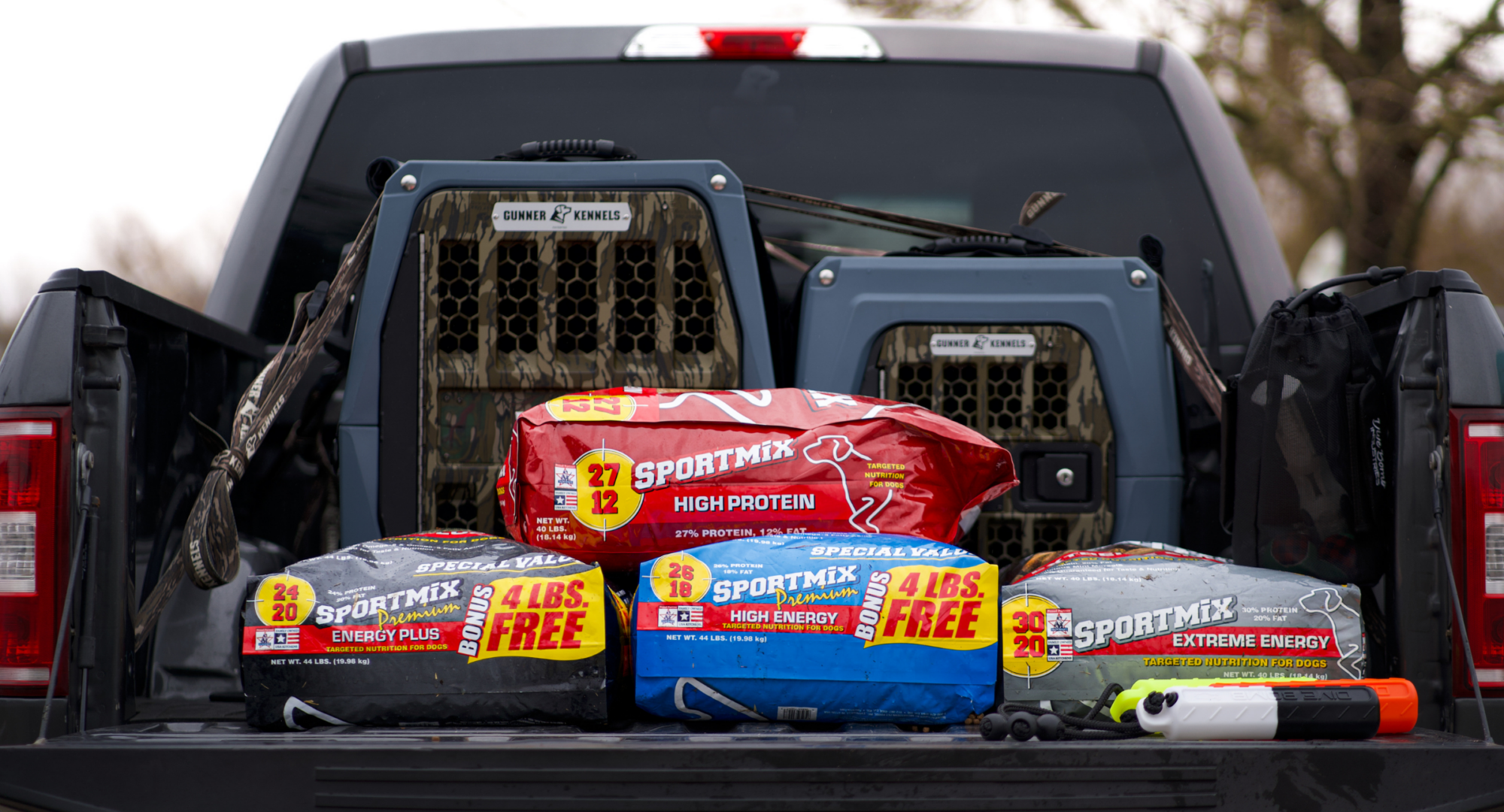
Feeding your dog at the right time before a hunt is essential to optimize their performance. Here are some guidelines to consider when asking if I should feed my dog before or after a long hunt:
- Timing: Ideally, feed your dog 10 to 12 hours before the hunt. This allows ample time for digestion and helps prevent any gastrointestinal discomfort during the activity.
- Portion Size: On the day before the hunt, provide a slightly larger meal than usual to help build energy reserves. However, avoid overfeeding, as this can lead to nausea or sluggishness.
- Hydration: Ensure your dog has access to fresh water before the hunt. Hydration is crucial for maintaining energy levels and preventing fatigue.
Post-Hunt Recovery Meal
After a long day of hunting, your dog will need to replenish their energy stores and recover from the exertion. Consider the following for their post-hunt meal:
- Timing: Feed your dog a larger meal within an hour after the hunt. This helps replenish lost nutrients and supports recovery and is the best time to feed a hunting dog afterwards.
- Nutrient-Rich Food: Opt for a high-protein, high-fat performance formula to aid in muscle recovery and restore energy levels. Look for foods specifically designed for working dogs.
- Hydration: Continue to provide fresh water to help rehydrate your dog after the hunt.
The Risks of Feeding Too Close to Exercise
Understanding Gastrointestinal Issues
Feeding your dog too close to the time of exercise can lead to various gastrointestinal problems. Here’s why:
- Nausea and Vomiting: When dogs eat shortly before physical activity, they may experience nausea, which can lead to vomiting during the hunt.
- Bloating: A full stomach can increase the risk of bloating, a serious condition that can affect a dog’s ability to perform.
- Reduced Performance: Digestion requires energy and blood flow, which can detract from your dog’s performance during the hunt.
Signs of Discomfort
Be aware of signs that your dog may be experiencing discomfort due to improper feeding timing:
- Excessive drooling
- Lethargy or reluctance to engage
- Vomiting or retching
- Signs of abdominal pain (e.g., whining, pacing)
Travel Day Feeding Tips
Preparing for the Journey
If you’re traveling to your hunting location, consider the following feeding tips to keep your dog comfortable and energized:
- Adjust Meal Times: If you’re traveling on the day before the hunt, adjust your dog’s feeding schedule to ensure they have enough time to digest before the journey.
- Light Meals: Offer a lighter meal before travel to minimize the risk of nausea during the trip. This can help your dog feel more comfortable.
- Frequent Breaks: During long trips, take breaks to allow your dog to stretch, relieve themselves, and hydrate.
Hydration During Travel
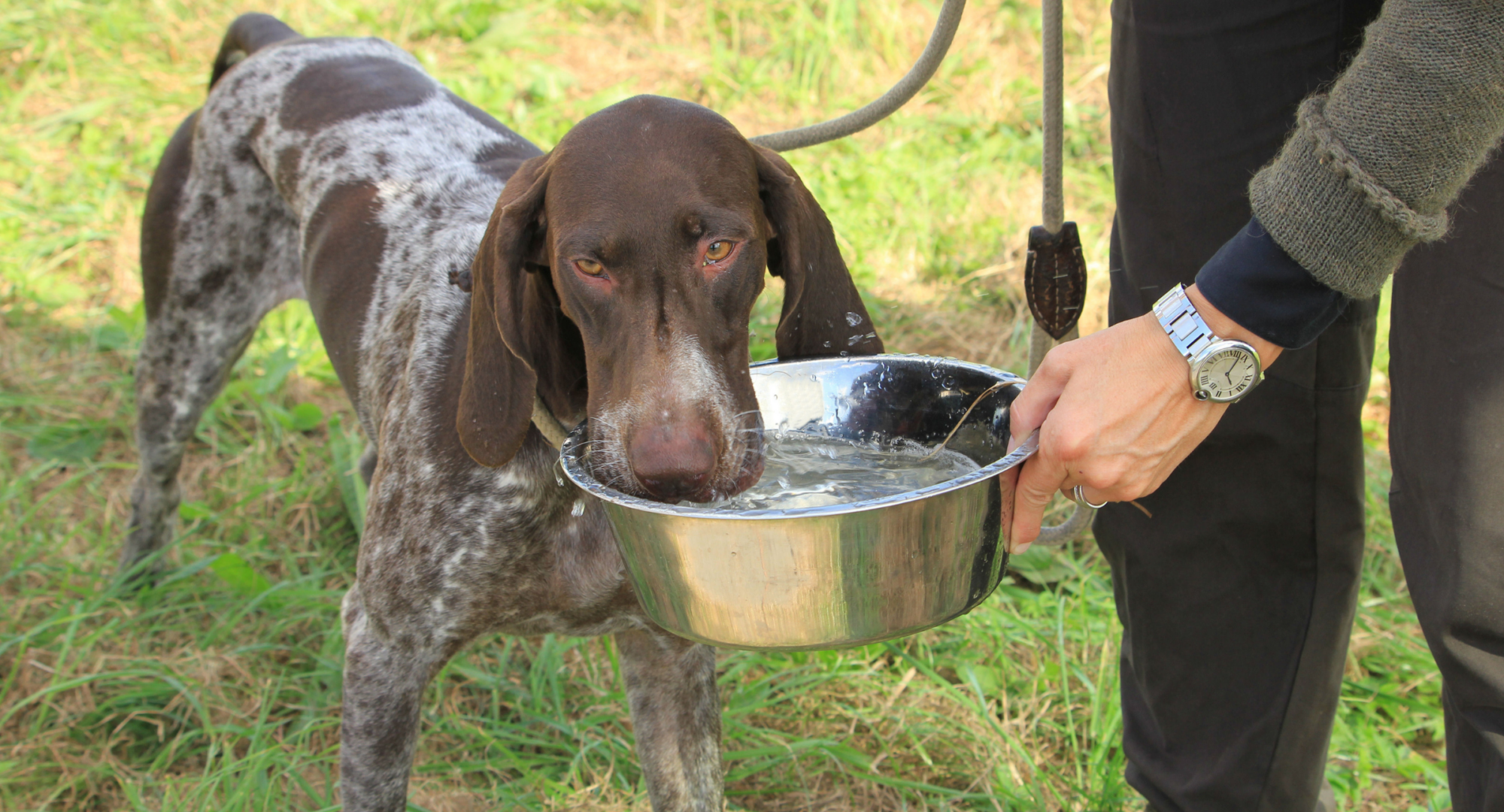
Keeping your dog hydrated during travel is just as important as feeding. Here are some tips:
- Portable Water Bowls: Bring a collapsible water bowl and fresh water to offer your dog during breaks.
- Hydration Packs: Consider using a hydration pack designed for dogs, which can make it easier to provide water on the go.
Feeding Frequency: Once or Twice a Day?
Daily Feeding Schedule
The frequency of feeding my hunting dog once or twice a day can vary based on your dog’s age, activity level, and specific needs. Here’s a breakdown:
- Once a Day: Many hunting dogs thrive on a once-daily feeding schedule, especially if they are active and working. This allows for a larger meal that can sustain them throughout the day.
- Twice a Day: For dogs that require more frequent meals or have specific dietary needs, feeding twice a day can be beneficial. This can help maintain energy levels and prevent hunger during long hunts.
Individual Considerations
Every dog is unique, so consider the following factors when determining your dog’s feeding frequency on how much should I feed my hunting dog:
- Age: Puppies and younger dogs may require more frequent meals due to their higher energy needs.
- Health Conditions: Consult with your veterinarian if your dog has any health concerns that may affect their feeding schedule.
The Role of Performance Dog Food
Choosing the Right Formula
Selecting the right performance dog food is crucial for supporting your hunting dog’s energy demands. Look for formulas that include:
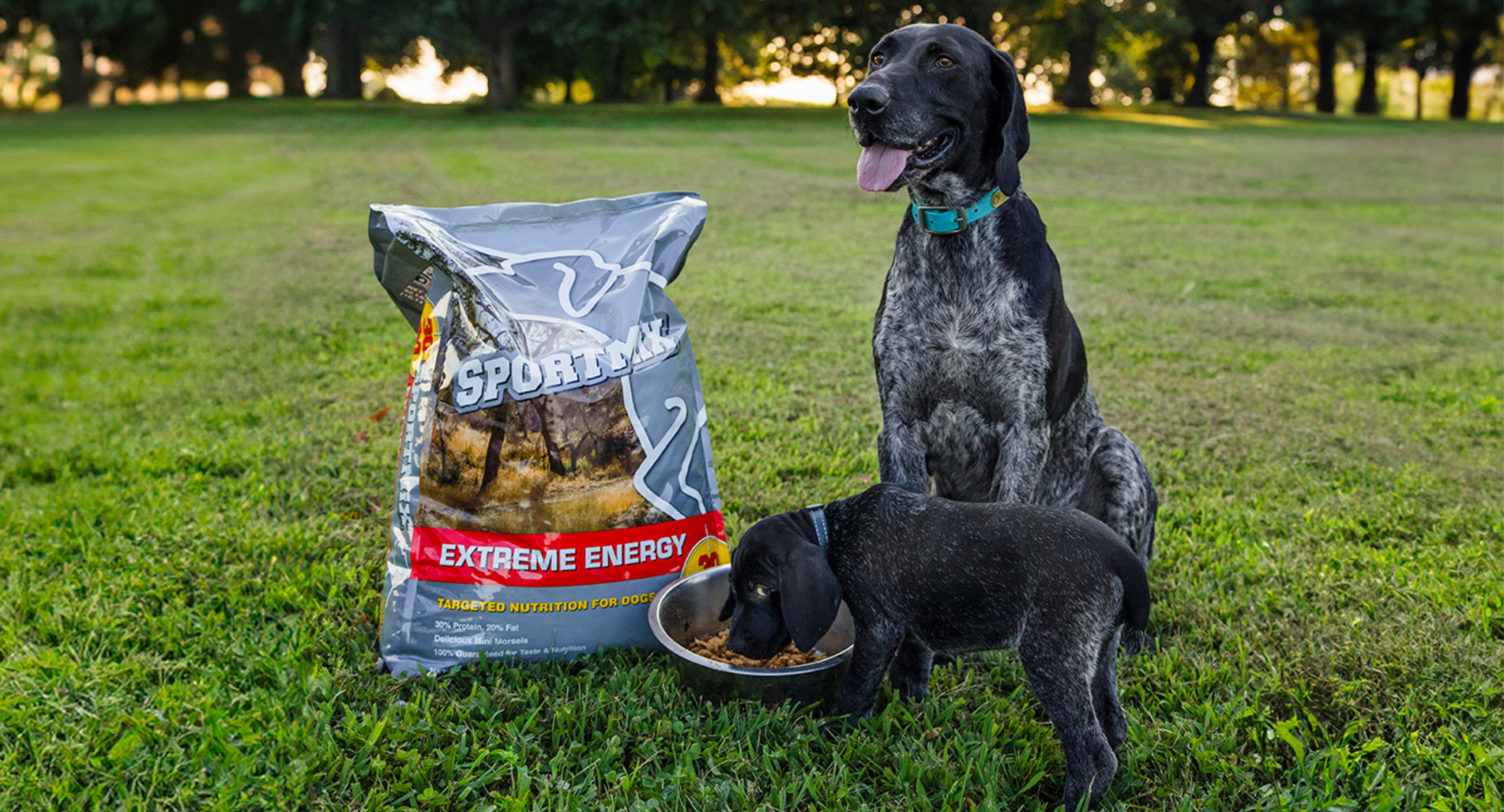
- High Protein and Fat Content: Ensure the food contains at least 28-30% protein and 18-20% fat to meet the energy needs of active dogs such as SPORTMiX Extreme Energy.
- Quality Ingredients: Opt for foods made with real meat, whole grains, and natural ingredients to provide optimal nutrition.
- Specialized Formulas: Consider performance formulas designed specifically for working dogs, which can offer additional support for endurance and recovery.
Benefits of Performance Dog Food
Using a high-quality performance dog food in the SPORTMiX Premium Formulas line can lead to several benefits for your hunting dog:
- Enhanced Stamina: Proper nutrition helps maintain energy levels during long hunts.
- Improved Recovery: Nutrient-rich formulas support muscle recovery after strenuous activity.
- Overall Health: A balanced diet contributes to your dog’s long-term health and well-being.
Hydration: A Critical Component
The Importance of Hydration
Hydration is often overlooked but is essential for your dog’s performance and health. Here’s why:
- Energy Levels: Dehydrated dogs may experience fatigue and reduced stamina during hunts.
- Temperature Regulation: Proper hydration helps regulate body temperature, especially during hot weather.
- Digestive Health: Adequate water intake supports healthy digestion and nutrient absorption.
Hydration Strategies
To ensure your dog stays hydrated, consider the following strategies:
- Frequent Water Breaks: Offer water during breaks to keep your dog hydrated throughout the day.
- Electrolyte Solutions: In extreme conditions, consider using electrolyte solutions designed for dogs to replenish lost minerals.
Monitoring Your Dog’s Weight and Condition
Regular Weigh-Ins
Keeping track of your dog’s weight is essential for ensuring they are receiving the right amount of food. Regular weigh-ins can help you:
- Adjust Portions: If your dog is gaining or losing weight, adjust their food portions accordingly.
- Monitor Health: Sudden weight changes can indicate underlying health issues that may require veterinary attention.
Body Condition Scoring
Use a body condition scoring system to assess your dog’s overall health and fitness. This can help you determine if they are at an ideal weight for their activity level.
Conclusion
Feeding your hunting dog the right way can significantly impact their performance and overall well-being. By understanding the importance of meal timing, portion sizes, and hydration, you can ensure your canine companion is ready for the challenges of a long day in the field. Remember to choose high-quality performance dog food that meets their nutritional needs and adjust their feeding schedule based on their activity level. With the right preparation, you and your dog can enjoy a successful and fulfilling hunting season together.
