

Puppy Summer Training Tips For Hunting Dogs
Preparing your dog for the upcoming season requires dedication, patience, and a well-rounded approach to training and nutrition. Even if your dog is the best hunting dog breed, without proper training they will not thrive in season. By focusing on proper feeding, engaging training sessions, and safety precautions, you can ensure they are ready for hunting season. Remember, the time and effort you invest in their development during the summer will pay off when the hunting season arrives. Following these summer training tips for hunting dogs will make them eager to please during the season and create a bond that lasts a lifetime.
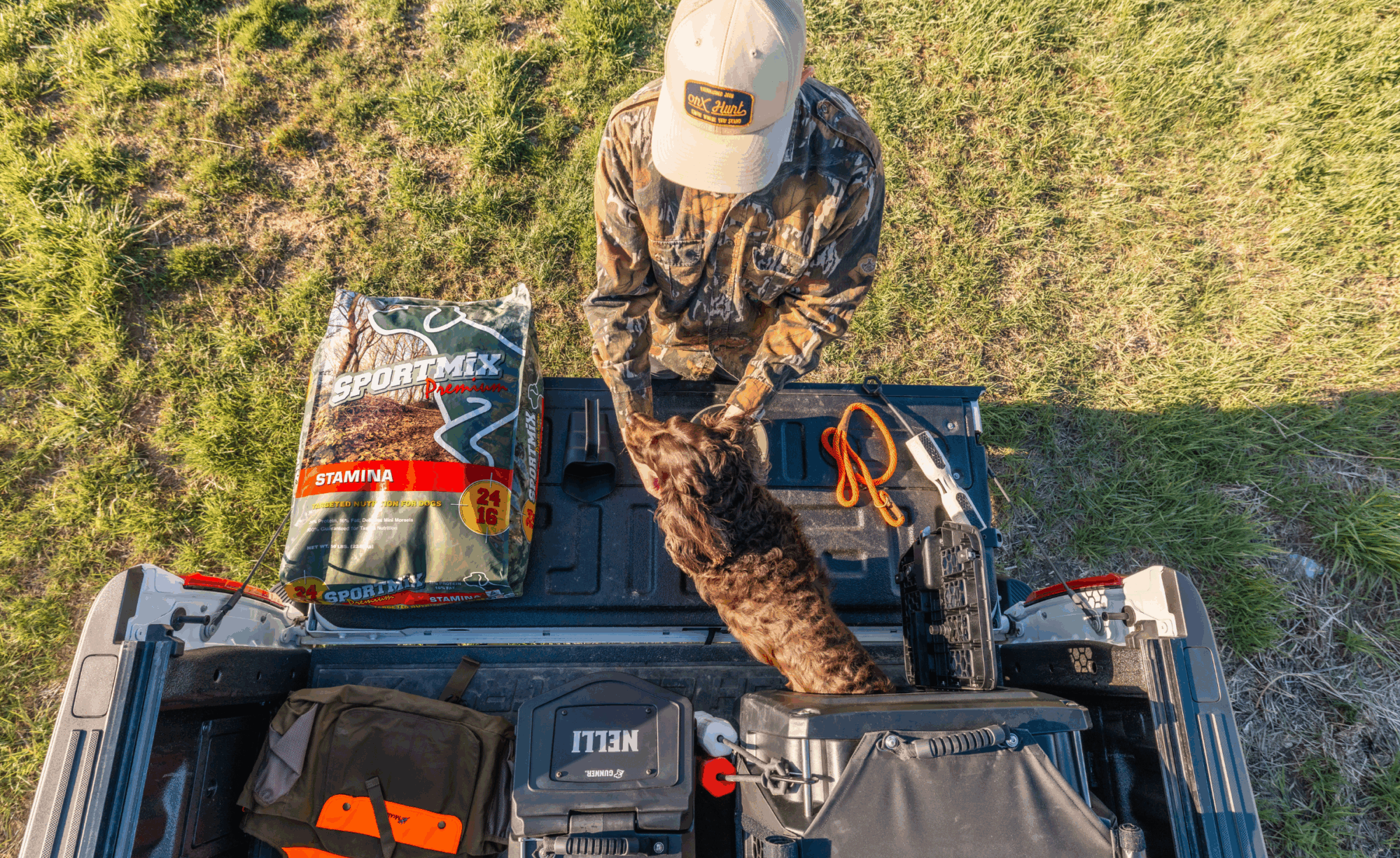
Training a hunting dog is a rewarding journey that begins long before the hunting season. Summer is a great time to begin hunting dog training to ensure they are physically fit, mentally sharp, and nutritionally supported. This article will teach you how to train a dog to hunt, nutritional needs, hunting dog summer training strategies, and safety tips to prepare your young hunting companion for the challenges ahead.
Choosing the Best Food for Hunting Dogs
Importance of Nutrition
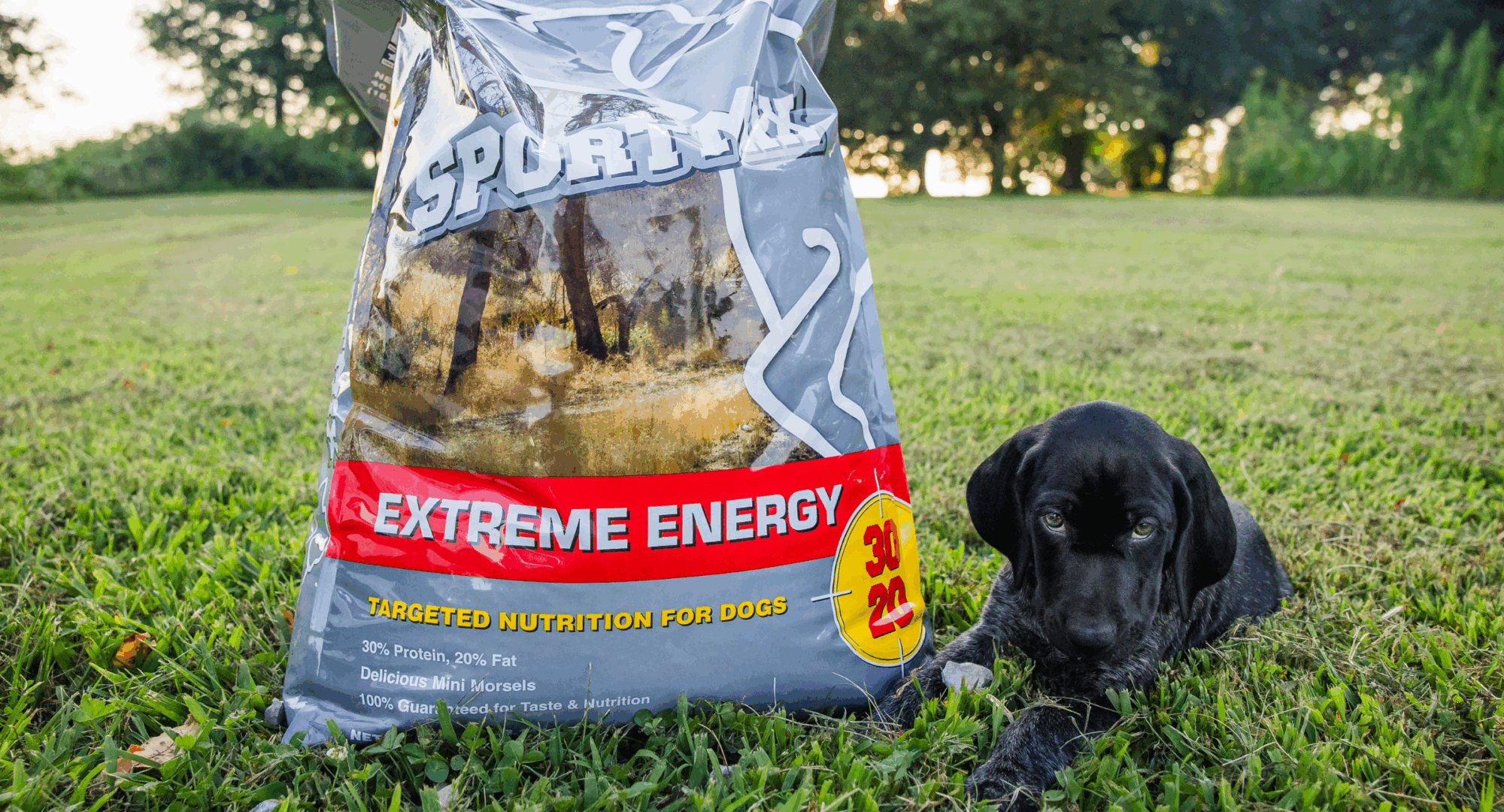
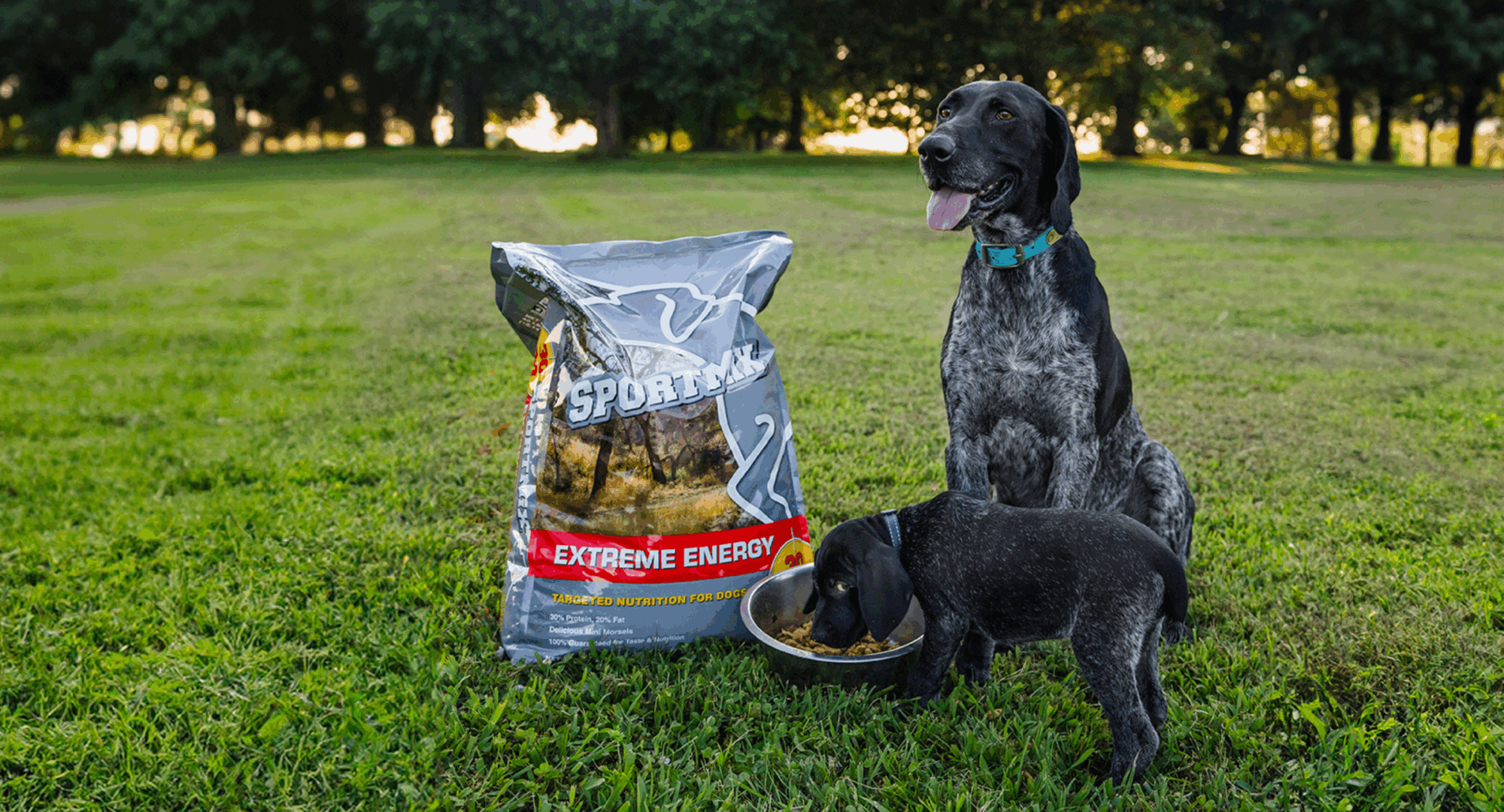
The foundation of a top hunting dog starts with proper nutrition. Hunting dog puppies, especially those with high energy levels, require a diet rich in protein and essential nutrients to support their growth and development. A high-protein diet helps build muscle mass and enhances stamina, which are vital for any type of hunting dog breed.
Key Nutritional Components
- Protein: Look for hunting dog food with high-quality protein sources, like chicken or fish, as the primary ingredient. This ensures your pup gets the necessary amino acids for muscle development.
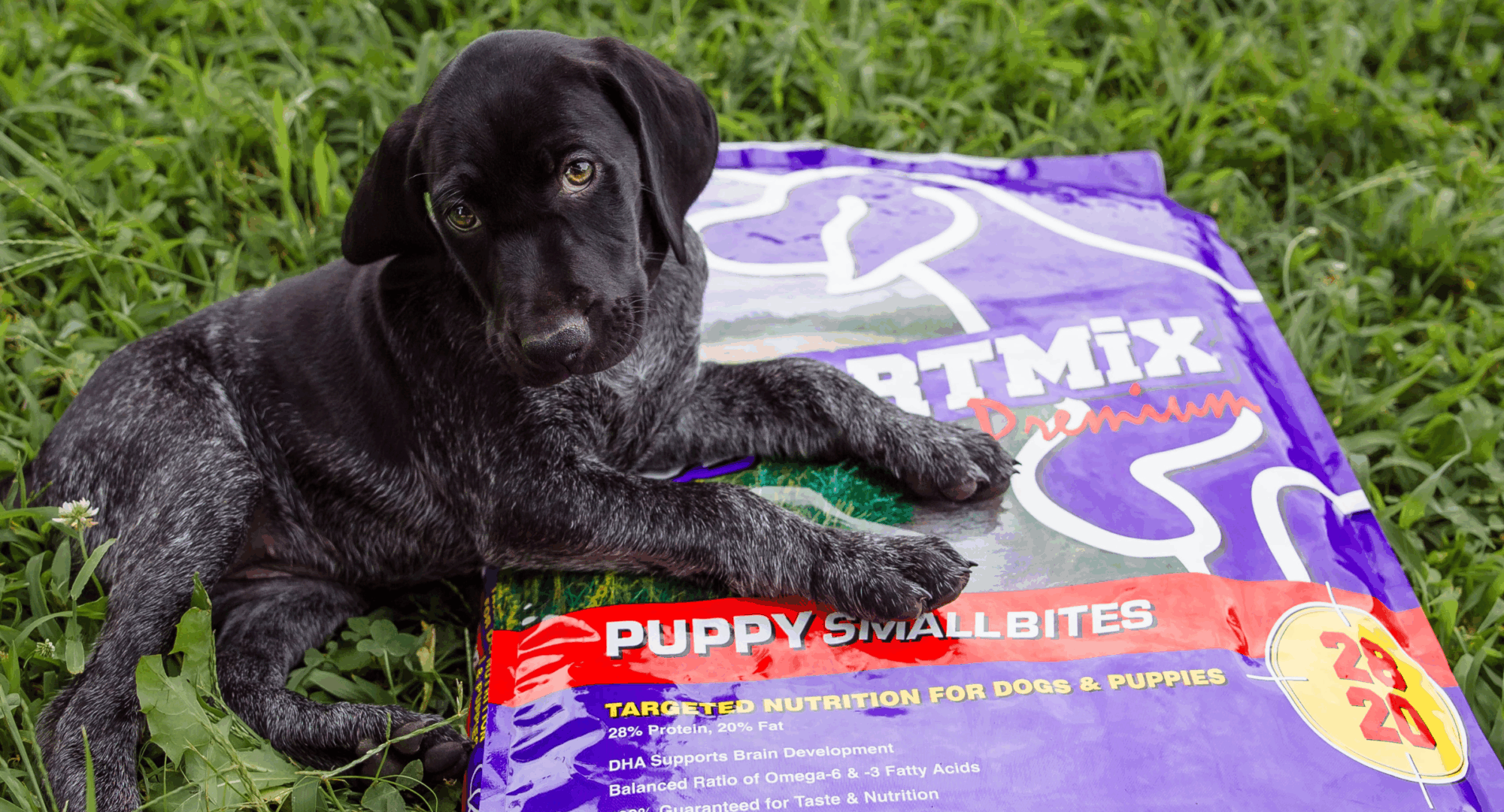
- DHA: Docosahexaenoic acid (DHA) is an omega-3 fatty acid that supports brain development and cognitive function. Foods enriched with DHA can enhance your pup’s learning abilities and problem-solving skills, making them more trainable. A great option for this is SPORTMiX Puppy Small Bites.
- Joint Support: As your pup grows, their joints will undergo significant stress, especially during training. Choose a food that includes glucosamine and chondroitin to promote joint health and mobility.
Feeding Schedule
Establishing a consistent feeding schedule is essential for maintaining your pup’s energy levels and focus during dog training for hunting season. Divide their daily intake into multiple smaller meals to prevent overeating and support steady energy release throughout the day.
Basic Summer Training Tips for Hunting Dogs
Short Training Sessions
During the hot summer months, it’s crucial to keep dog hunting training sessions short and focused. Aim for 10 to 15 minutes of dog hunting training at a time, allowing them to absorb the information without becoming overwhelmed or fatigued. This approach not only keeps your dog engaged but also helps prevent heat exhaustion.
Timing is Everything
One of the most important summer training tips for hunting dogs is to avoid the heat of the day. Try to schedule dog training sessions early in the morning or later in the evening. These cooler times will make training more enjoyable for both you and your working dog. Additionally, consider incorporating water work into your dog training routine. For example, swimming can be a refreshing way to build stamina and strengthen muscles.
Feeding Schedules that Support Mental Focus and Growth
Consistent Meal Times
Maintaining a consistent feeding schedule helps regulate your pup’s energy levels and keeps them mentally focused during summer dog training. Aim to feed your dog at the same times each day, allowing their body to adapt to a routine. This predictability can enhance their ability to concentrate during training sessions.
Nutrient Timing
Consider the timing of your pup’s meals in relation to training. Feeding them dog food rich in protein and carbohydrates about an hour before training can provide the necessary energy boost they need. Conversely, avoid feeding them immediately after training to prevent digestive discomfort.
Hydration and Heat Safety Tips for Training Puppies For Hunting
Importance of Hydration
Another summer training tip for hunting dogs it to ensure they are well hydrated. Keeping your pup hydrated is crucial, especially during summer training. Always have fresh, cold water available, and encourage your dog to drink regularly. Dehydration can lead to fatigue and heat-related illnesses, which can be dangerous for active pups.
Recognizing Heat Stress
Be vigilant for signs of heat stress, such as excessive panting, drooling, or lethargy. If you notice any of these symptoms, take a break in a shaded area and offer fresh water. It’s essential to allow your pup to cool down before resuming any activities when training your dog.
Supplements to Support Early Development
Essential Nutritional Supplements
In addition to a balanced diet, consider incorporating supplements to support your pup’s growth and development. Some beneficial options include:
- Omega-3 Fatty Acids: These can help reduce inflammation and support joint health, making them particularly beneficial for active hunting dogs.
- Probiotics: A healthy gut is essential for overall well-being. Probiotics can aid digestion and improve nutrient absorption, ensuring your pup gets the most out of their food.
- Multivitamins: A multivitamin can fill any nutritional gaps in your pup’s diet, providing essential vitamins and minerals for optimal health.
Building a Strong Bond Through Training
The Importance of Bonding
Proper training is not just about teaching commands and hand signals; it’s an opportunity to strengthen the bond between a dog owner and their pup. Engaging in fun activities, such as agility training or obstacle courses, can enhance your relationship while keeping your dog physically and mentally stimulated.
Positive Reinforcement
Utilizing positive reinforcement techniques for hunting dogs, such as praise and treats, can create a positive training environment. This approach encourages your pup to associate training with enjoyable experiences. Thus, making them more eager to learn and easy to train.
Socialization and Exposure to New Environments
Early Socialization
Introducing your pup to various environments, people, and other animals is crucial for their development. Early socialization helps prevent behavioral issues and ensures your dog is comfortable in different situations, which is essential for hunting scenarios.
Hunting Dog Training Classes
A great early socialization can be going to dog hunting training classes. They offer your dog a chance to learn and socialize in the same space. These hunter dog training classes not only teach your dog how to be a good hunting dog. They also teach you how to become a hunting dog trainer yourself.
Controlled Exposure
Take your pup to parks, pet-friendly stores, or even on short trips in the car. Gradually expose them to new experiences while ensuring they feel safe and secure. This exposure will help them become a more versatile dog and adapt to the unpredictability of hunting environments.
Training Tips for Young Hunting Dogs
Basic Commands
Start with essential commands such as “sit,” “stay,” and “come.” These foundational commands are crucial for any hunting dog and will serve as the basis for more advanced training.
Retrieval Training
Incorporate retrieval exercises into your training routine. Use dummies or toys to encourage your pup to fetch and return items. This activity not only builds their retrieving instincts but also enhances their physical fitness.
Preparing for Dog Hunting Season
Gradual Transition
As summer progresses, gradually increase the intensity and duration of your training sessions. This gradual transition will help your pup build endurance and prepare them for the demands of hunting season.
Mock Hunts
Consider organizing mock hunts to simulate real hunting scenarios. This practice will help your pup become familiar with the sights, sounds, and smells they will encounter during actual hunts.
Safety Precautions for Summer Training
Flea and Tick Prevention
Summer is prime time for fleas and ticks, which can pose serious health risks to your pup. Ensure your dog is treated with appropriate flea and tick prevention products. It’s highly recommended to have your dog regularly checked for any signs of infestation.
Snake Awareness
If you live in an area where snakes are prevalent, consider enrolling your pup in snake aversion training. This training can teach your dog to recognize and avoid snakes, keeping them safe during outdoor activities.
Conclusion of Training Tips for Hunting Dogs
Preparing your dog for the upcoming season requires dedication, patience, and a well-rounded approach to training and nutrition. Even if your dog is the best hunting dog breed, without proper training they will not thrive in season. By focusing on proper feeding, engaging training sessions, and safety precautions, you can ensure they are ready for hunting season. Remember, the time and effort you invest in their development during the summer will pay off when the hunting season arrives. Following these summer training tips for hunting dogs will make them eager to please during the season and create a bond that lasts a lifetime.
