
Hog Hunting With Dogs: 8 Breeds Suited for the Field
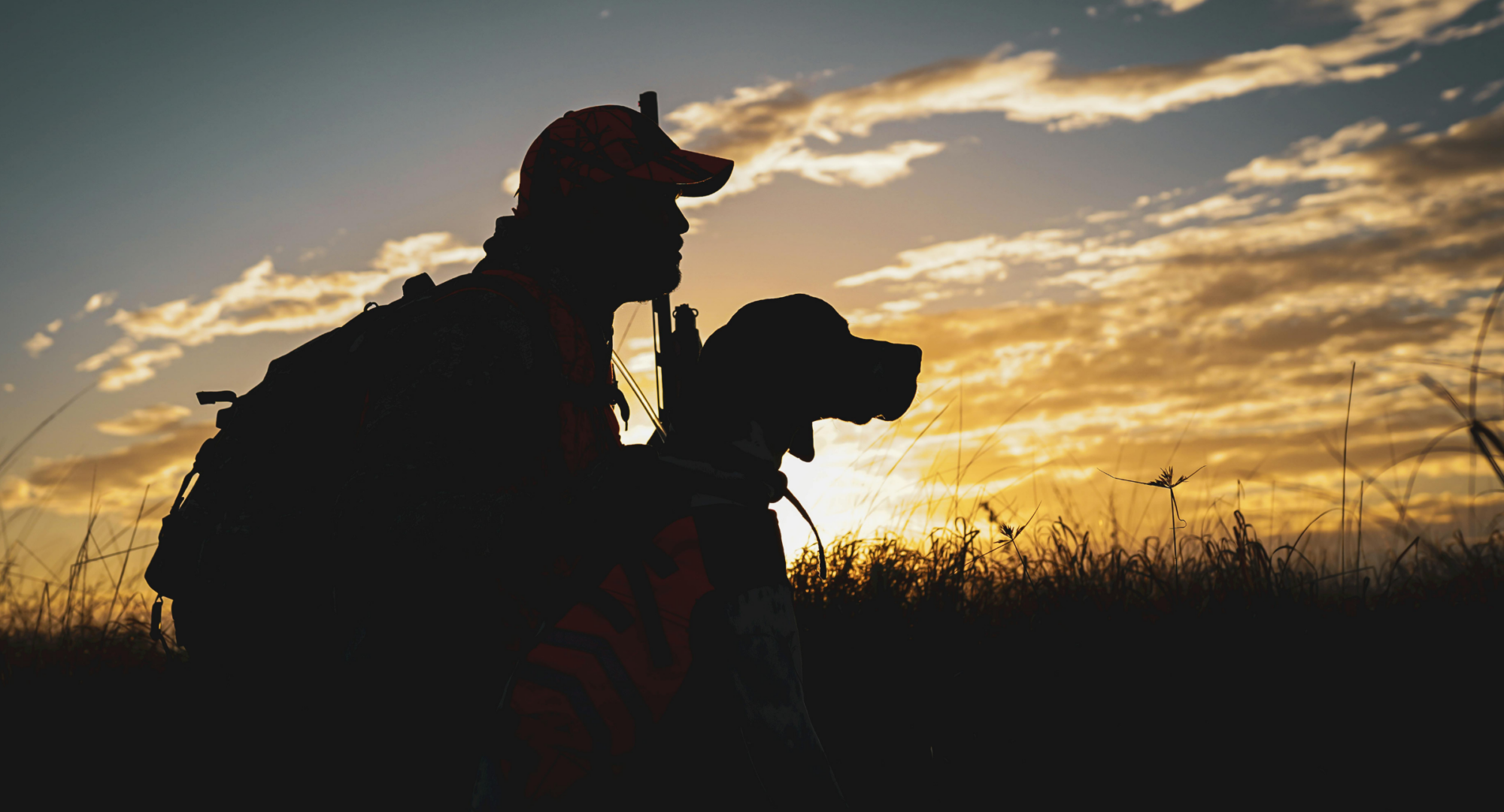
Hog hunting with dogs places serious demands on every dog and handler involved. A working dog may have to follow a scent trail through thick brush, cover rough ground, and remain responsive while facing a strong, unpredictable animal. The right breed helps, but steady training, conditioning, and good judgment matter just as much.
In this article, you’ll meet eight breeds commonly used for hog hunting and learn which traits suit different field roles. You’ll also find practical guidance on equipment, nutrition, disease prevention, legal considerations, and the steps you can take to keep your dogs safer during each hunt.
What to Look for in a Hog Hunting Dog
Hog dogs generally serve one of two broad roles. Bay dogs use their sense of smell to find hogs, follow the trail, and hold the animals in one area by baying from a distance. Catch dogs work closer to the hog, which exposes them to a much greater risk of tusk wounds and other serious injuries.
Some hog hunters rely on hounds or curs to track and bay, while others use multiple dogs with different strengths as a team. No breed is automatically suited to either job. The individual dog’s temperament, physical condition, training, and ability to work under control are more important than appearance alone.
A suitable dog needs endurance, sound movement, confidence, and the focus to continue tracking through a distracting environment. A strong nose helps the dog locate wild pigs, while an easy-to-hear voice lets you follow the direction of the pursuit when vegetation blocks your view.
Responsiveness is just as important as drive. A dog that won’t recall, disengage, or return to the truck can put the whole group in danger. A bold dog can be useful in the field, but a reckless dog that ignores you is a liability.
You should also consider the dog’s heat tolerance, feet, skin, and recovery after exercise. Hunting dogs often travel across mud, rocks, water, thorns, and uneven ground. Even a talented breed won’t work successfully if pain, poor conditioning, or exhaustion prevents the dog from doing the job safely.
8 Dog Breeds Commonly Used for Hog Hunting
The breeds below have working traits that some hunters value when they hunt hogs. Several are known for scenting and baying, while others have the size and physical strength associated with catch-dog work.
Breed tendencies are only a starting point. You still need to evaluate each dog as an individual and provide controlled training with experienced guidance before considering any fieldwork.
1) Dogo Argentino
The Dogo Argentino was developed as a pack-hunting dog for large game, including wild boar. The breed combines strength with athletic movement, intelligence, and quick reactions, which explains why Dogos are commonly associated with demanding big-game work.
This powerful breed needs an experienced handler who can provide early socialization and reliable obedience. A Dogo must remain responsive around other dogs, livestock, people, and wildlife. Physical power without control can quickly turn an already dangerous situation into a larger problem.
2) Black Mouth Cur
Built for demanding terrain, the muscular Black Mouth Cur is a working breed known for efficient movement and strong driving power from the rear legs. Those qualities can help the dog cover difficult ground without wasting energy, making the breed a common choice for tracking and baying work.
Black Mouth Curs also tend to form close working relationships with their handlers. They can be determined and independent when following a smell, so you’ll need to build recall and directional control before taking one into an open hunting environment.
3) Catahoula Leopard Dog
The Catahoula Leopard Dog is a well-muscled, multipurpose working dog that combines power with agility and endurance. The breed is also sometimes called the Catahoula Hog Dog, reflecting its long connection with livestock and hog work in the southern United States.
Catahoulas are often valued as bay dogs because they can use their voice, movement, and judgment while working at a distance. Their independent nature can be helpful in the field, but it also means you’ll need patient, consistent training rather than forceful handling.
4) Plott Hound
Originally bred to pursue large game, the Plott Hound is a rugged and determined scenthound with a rich hunting history. Plotts are known for determination, courage, and a strong voice on the trail, all useful traits when you need a dog to track through dense cover.
A Plott may continue following a promising scent long after you’ve lost sight of the dog. That’s why reliable recall, identification tags, and GPS collars are essential. You’ll also need to give this athletic hound enough regular exercise to maintain working condition between hunts.
5) American Bulldog
The American Bulldog is a muscular, all-purpose working breed with a history that includes farm protection and catch-dog work. Modern American Bulldogs are still recognized for strength, confidence, and a steady working temperament, though build and athletic ability vary considerably between individual dogs and bloodlines.
Some hunters choose American Bulldogs as catch dogs, but physical strength shouldn’t be confused with readiness. This dog needs firm obedience, sound joints, good breathing capacity, and careful socialization. You should also check local breed rules before transporting or working one.
6) American Pit Bull Terrier
The American Pit Bull Terrier (APBT) is an athletic, muscular breed known for confidence, enthusiasm, and a desire to work. Some hog hunters use APBTs in close-working roles because of their strength and determination, but that work carries a high risk of severe injury.
The term “pit bulls” is often applied to several different breeds and mixes, so a label alone tells you little about a dog’s ability. You’ll need to evaluate health, temperament, trainability, and behavior around other dogs rather than assuming every muscular terrier can do the job.
7) Redbone Coonhound
Known for its boundless energy and remarkable stamina, the Redbone Coonhound thrives on vigorous activities like hunting and swimming. Its athletic frame, trail focus, and recognizable bay make it a practical choice for handlers seeking a dog that can cover ground and communicate from a distance.
Redbones are generally used for locating and baying rather than close physical contact. Because a focused hound may keep moving once it finds a scent trail, you should establish recall, collar conditioning, and regular check-ins well before entering the field.
8) Bluetick Coonhound
The Bluetick Coonhound is bold, persistent, and highly focused during the pursuit of game. Its scenting ability and powerful voice can help you track the dog’s progress through woods, low light, or thick brush where visual contact isn’t always possible.
That single-minded nature requires careful management. A Bluetick may range farther than you expect when the scent is strong, especially at night. Good training and a properly fitted GPS collar help you maintain control, but tracking equipment should never replace a dependable recall.
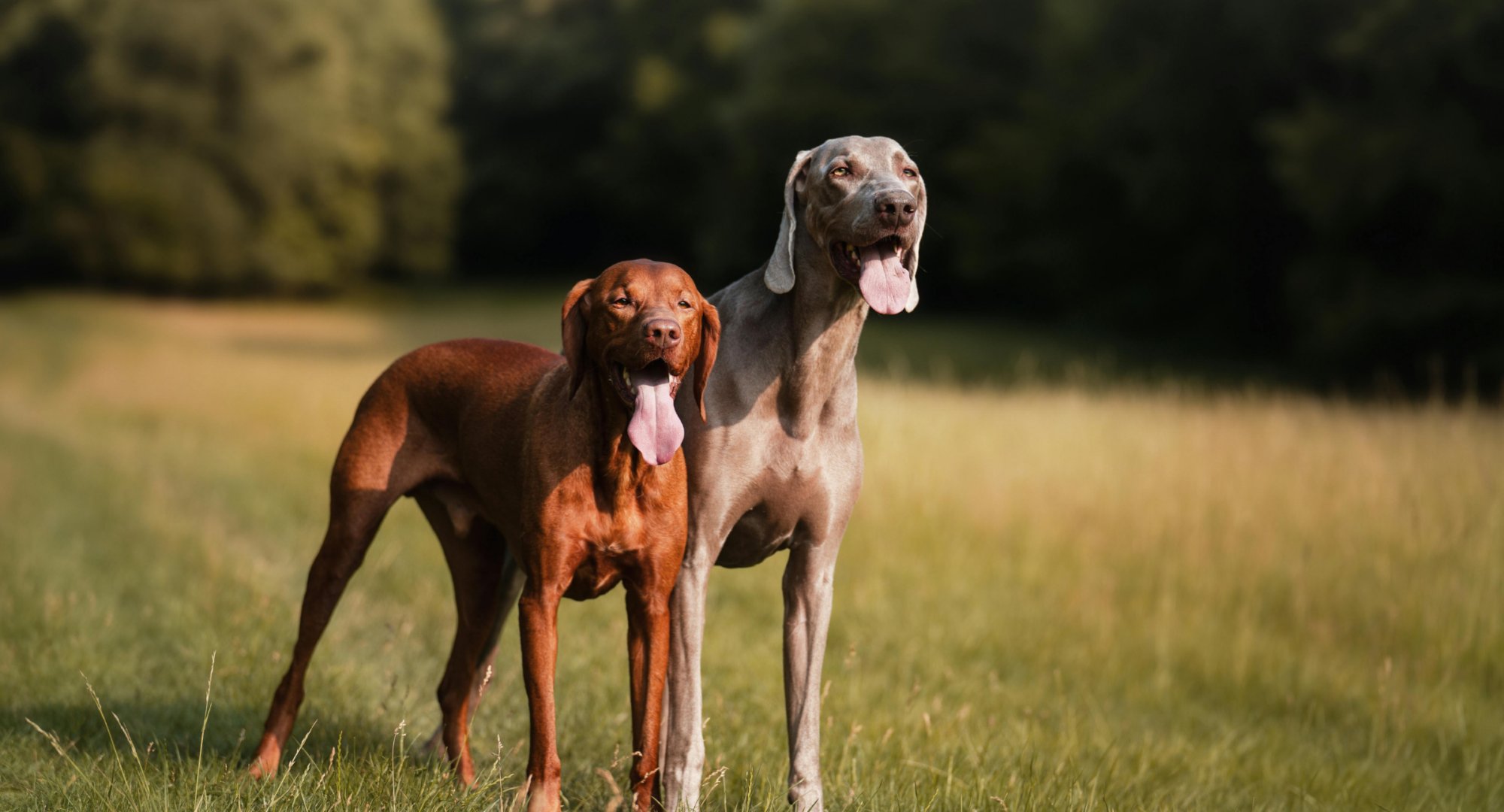
How to Keep Hog Hunting Dogs Safe, Healthy, and Ready for the Field
Feral hogs are powerful animals, and one hog can hurt multiple dogs in seconds. Protective vests, proper collars, and experienced handling can reduce danger, but no equipment makes close contact completely safe. Your first priority should always be keeping your dogs safe rather than securing a caught hog.
Before the hunting season, schedule a veterinary exam and ask about vaccinations, parasite prevention, fitness, and disease risks linked to wild pigs. Gradually condition your hunting dogs with controlled walks, tracking work, and endurance training so they’re prepared for thick brush, uneven ground, heat, and long periods of pursuit.
Use properly fitted vests, identification tags, and GPS collars. Check all equipment before leaving in the truck, and carry spare batteries, clean water, and first aid supplies. Your aid kit should support basic care until you can reach a veterinarian, not replace professional treatment.
Watch each dog for overheating, weakness, limping, slow recovery, or unusual breathing. After the hunt, check the mouth, skin, chest, abdomen, legs, paws, and areas beneath collars and vests. Punctures from a boar may look small but can cause serious internal damage.
Don’t let your dogs eat raw hog meat, organs, or parts of a carcass. Feral hogs can carry diseases and parasites that affect dogs, including infections that may be fatal. Contact your veterinarian after a known exposure or if your dog becomes sick.
Legal considerations vary by state, property, and hunting area. Before you hunt hogs, confirm current rules for using dogs, hunting at night, entering private property, transporting equipment, and the permitted method of dispatch. Some public hunting areas in Texas and other states restrict or prohibit hog hunting with dogs.
Your dogs need nutrition that can keep up with the physical demands of the field. SPORTMiX dog food offers formulas made for active dogs, with protein, fat, vitamins, and minerals to help support energy, muscle condition, and recovery. Adjust each dog’s portion based on body condition, training intensity, weather, and time spent working.
Key Takeaways
- Choose for the role. Bay dogs rely heavily on scent, stamina, and voice, while catch dogs work much closer to the hog. Consider the individual dog’s ability, temperament, and control instead of choosing by breed name alone.
- Train before you hunt. Reliable recall, handling around multiple dogs, and responsiveness at a distance are essential. A dog that ignores you on familiar ground is unlikely to become easier to control around wild pigs.
- Respect the danger. Protective vests, GPS collars, and first aid supplies can support safety, but they can’t remove the risk of tusk wounds, heat illness, or disease. Keep a safe distance and never place success above your dogs’ welfare.
- Prepare for emergencies. Carry water, identification, charged equipment, and an aid kit on every trip. Know how you’ll reach emergency veterinary care before the hunt begins rather than trying to make a plan after a dog is hurt.
- Check the law. Permission and legal methods vary by location, property, and time of year. Confirm current rules for dogs, night activity, public land, weapons, and transportation each time you hunt.
- Fuel the work properly. Match your dog’s food and portion size to their condition and activity level. Regular veterinary care, gradual conditioning, hydration, rest, and balanced nutrition all help support safe field performance.
Is Hog Hunting With Dogs Right for Your Team?
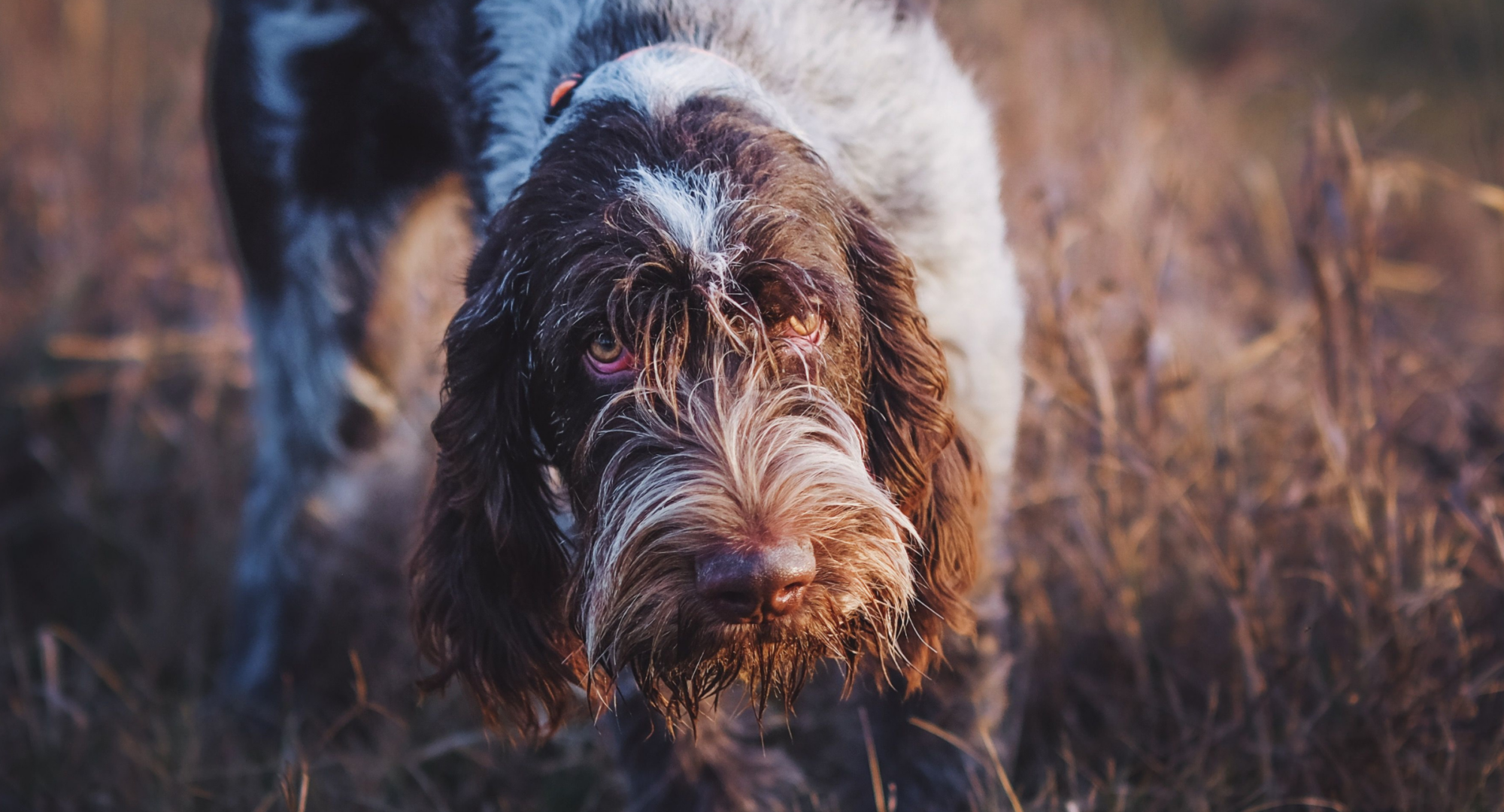
Hog hunting with dogs requires much more than choosing a tough-looking breed. Whether you work with a Dogo Argentino, cur, bulldog, terrier, or hound, your dog needs physical soundness, reliable training, suitable equipment, and a handler who knows when to stop.
Before entering the field, learn the laws in your area, speak with your veterinarian, and seek guidance from responsible, experienced handlers. When you put preparation, control, and your dogs’ welfare first, you give the whole team the best chance of returning home safely.