

Find the Perfect Hunting Dog Collar
The partnership between a hunter and their canine companion represents one of the oldest and most effective teamwork examples. For this partnership to flourish, nutritional needs for your dog and clear communication remains essential. When focusing on communication, modern hunting dog collars have helped by offering various features that enhance training, safety, and performance in the field. This guide will help you navigate the options available and select the best hunting training collar.
When selecting a collar for your hunting companion, numerous factors deserve consideration, from your hunting style and terrain to your dog’s size, temperament, and training needs to help your dog get ready for hunting season. The best hunting dog training collar serves as an extension of your commands, reinforcing training while ensuring your dog’s safety in challenging environments.
Matching Collar Features to Hunting Styles
Different hunting scenarios demand specific collar capabilities. For waterfowl hunters, waterproof construction becomes non-negotiable. Models like the SportDog WetlandHunter series feature submersible designs that withstand repeated water retrievals. Upland bird hunters often benefit from collars with beeper or tracking functions. When working in tall cover where visual contact becomes challenging, these features help locate a dog on point or track their movements through dense vegetation. The DT Systems SPR5300 Upland offers both training and location capabilities in one unit.
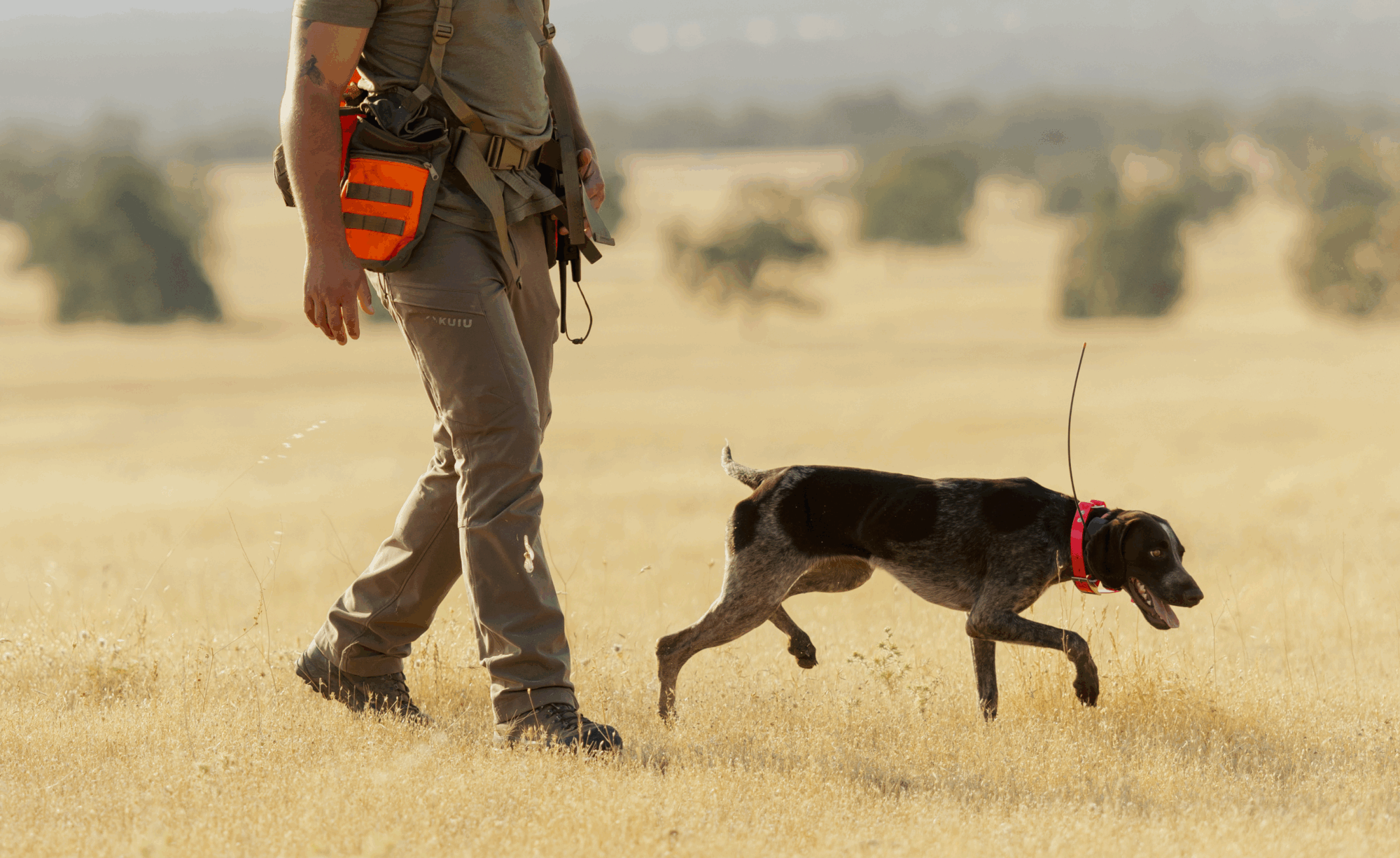
Tracking dogs may cover miles during a single hunt, making collars with extended transmission distances and long battery life necessary. GPS-enabled options like the Garmin Alpha series provide location tracking alongside training functions, ensuring you can monitor and communicate with your dog regardless of distance.
Evaluating Range Requirements
The transmission range represents one of the most significant differences between collar models and directly impacts price. For close-working retrievers or yard training, 500-yard range collars like the SportDog 425X provide ample coverage at a reasonable price point. These compact systems deliver essential functionality without the bulk or expense of extended-range options.
Medium-range hunters working upland birds or waterfowl in moderate terrain find 3/4 to 1-mile systems ideal. Models in this category perform well and are portable while typically offer enhanced features like multiple stimulation types and expanded level options.
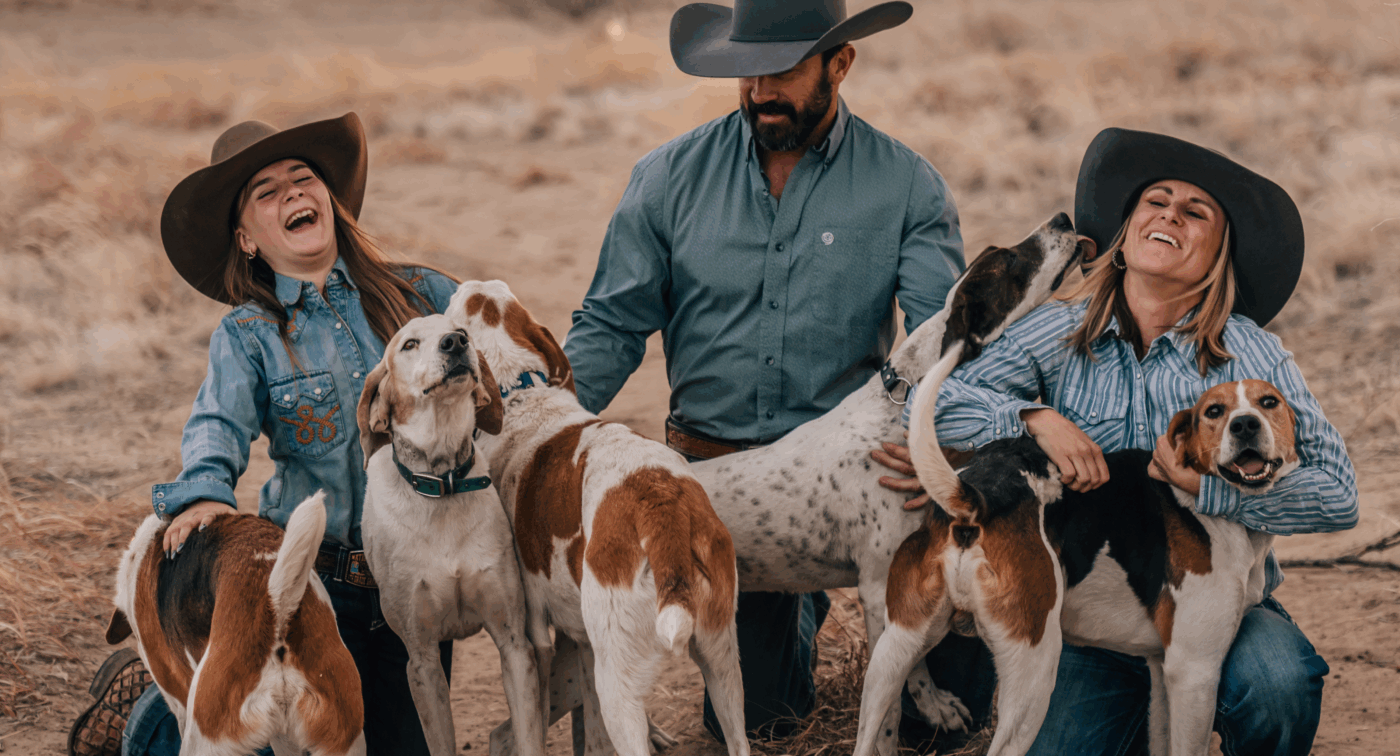
Long-distance hunters pursuing hounds, coon dogs, or other ranging breeds require systems with 2+ mile capabilities. These premium collars often incorporate GPS tracking alongside stimulation features, providing location awareness and training capabilities in a single unit.
When in doubt, choose a collar with more range than you anticipate needing.
Considering Size and Fit Factors
Proper collar fit and weight significantly impact your dog’s comfort, safety, and the effectiveness of the training system.
For small hunting breeds under 20 pounds, specialized compact collars prevent excessive weight and bulk that could impede performance or cause discomfort. Models like the Dogtra 280C feature smaller receivers specifically designed for diminutive hunting companions.
Medium-sized sporting dogs between 20-50 pounds accommodate standard collar receivers comfortably. Most mainstream hunting dog collars target this size range, offering optimal balance between durability and weight.
Large breeds over 50 pounds handle full-sized receivers without issue, though collar strap width and durability become increasingly important. Look for reinforced straps and robust buckles that withstand the increased strain larger dogs place on equipment.
Regardless of size, proper receiver placement remains crucial. The contact points must touch the skin without excessive pressure and by testing this, you should be able to fit two fingers between the collar strap and your dog’s neck. Rotate the collar position regularly during extended wear to prevent irritation, and never leave an electronic collar on for more than 12 consecutive hours.
GPS and Tracking Functionality
The integration of GPS technology with training collars has increased efficient dog handling, particularly for hunters working in challenging terrain or with wide-ranging breeds.
Basic GPS collars display directional information and distance measurements, helping locate dogs without elaborate mapping features. The Garmin Pro 550 Plus exemplifies this approach, providing essential location data without overwhelming users with unnecessary complexity.
Advanced GPS systems like the Garmin Alpha 300i incorporate detailed topographic maps, tracking history, and multiple dog monitoring capabilities. These comprehensive systems function as navigation tools for both dog and handler, recording valuable data that improves future hunts and potentially be the best collar for hunting dogs.
Specialized Collar Types for Specific Needs
Beyond standard training collars, specialized options address particular hunting scenarios and training challenges with stimulation levels.
Bark control collars automatically detect and correct excessive noise, particularly valuable for hunting situations requiring stealth or when training dogs that alert game through unnecessary barking. Models like the SportDog NoBark SBC-10 offer progressive correction that increases static stimulations only when needed.
Beeper collars emit audible signals during movement and/or point, helping handlers locate dogs in dense cover. Many models offer different modes, including point-only activation that remains silent until the dog establishes point.
Invisible fence systems create virtual boundaries that help contain dogs during training sessions or at hunting camps. Portable wireless options like the PetSafe Stay and Play establish adjustable circular boundaries without requiring buried wires, providing safe training areas in unfamiliar locations.
Combination systems integrate multiple functions into single units, reducing the equipment burden while maximizing capability. These comprehensive collars typically command premium prices but offer exceptional benefits for serious hunters.
Making the Final Selection
After considering all relevant factors, several practical steps help finalize your collar selection.
Establish a realistic budget based on your actual needs rather than marketing hype. While premium features offer benefits, not every hunter requires GPS mapping or extreme range capabilities. Invest in quality construction and reliability over unnecessary bells and whistles. Established brands like Garmin, SportDog, Dogtra, and DT Systems maintain strong track records for durability and performance in challenging hunting environments.
By carefully evaluating your specific needs, understanding available features, and matching collar capabilities to your hunting style, you’ll select a training system that enhances communication with your hunting companion for years to come.
