

Dog Food for Active Dogs And Why
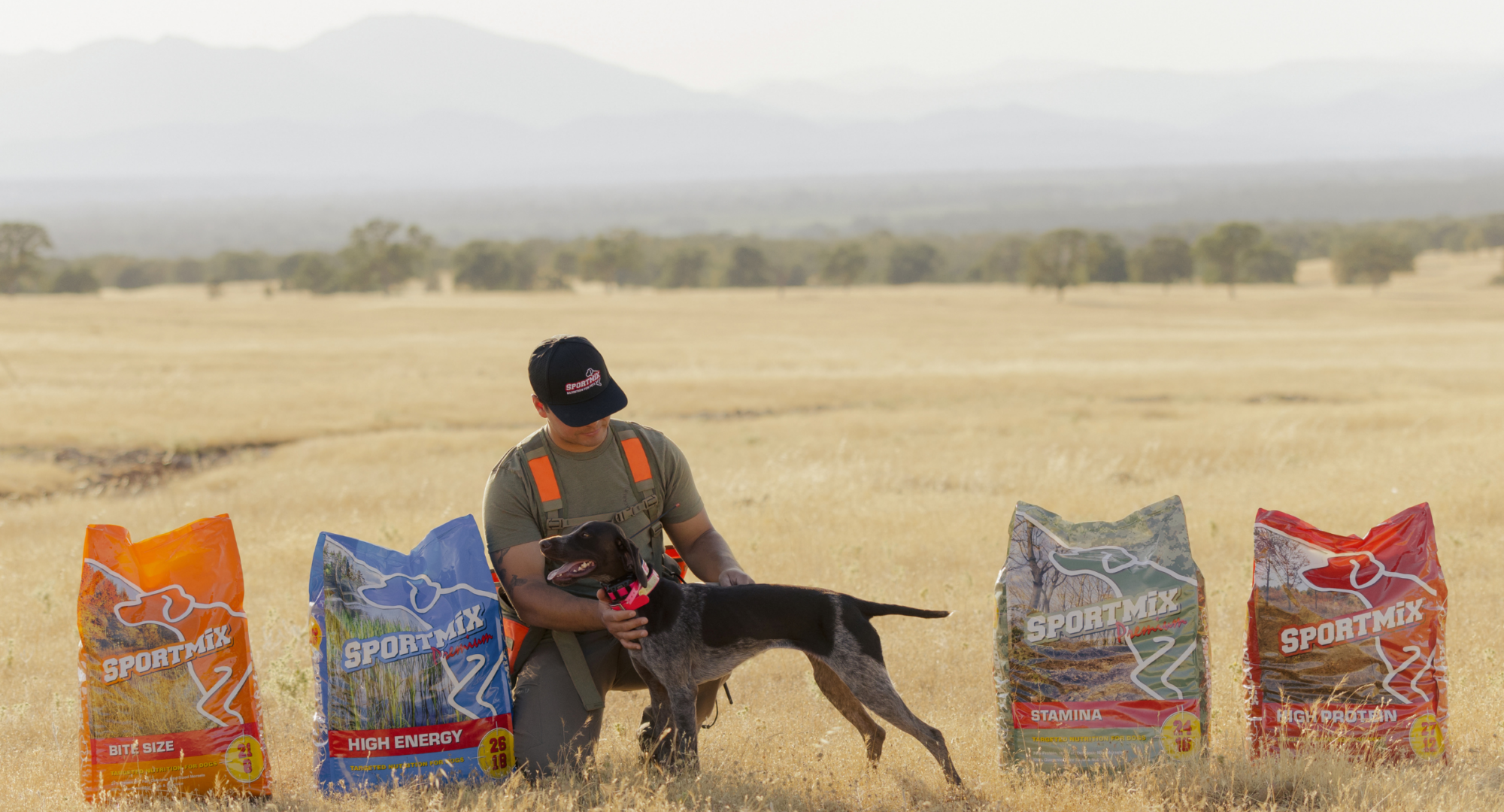
Does your dog run hard, train often, or stay constantly in motion? An active dog like yours needs more from their food than a dog with a quieter routine.
When you’re shopping for a high-performance formula, the goal isn’t just to find something filling. It’s to choose a food that supports your dog’s energy, recovery, muscle condition, and long-term wellbeing, without giving them more than what they actually need.
In this guide, we’ll look at what makes a food a better fit for high energy dogs, which ingredients are worth prioritizing, which formulas may miss the mark, and how SPORTMiX fits into the picture for working and athletic dogs. We’ll also cover how to match a food to your dog’s activity level and how to tell whether the current diet is supporting an active lifestyle.
What Makes a Dog Food Good for Active Dogs?
Active dogs don’t just burn more calories. They often have different nutritional needs depending on how often they work, train, or exercise, along with their size, age, and life stage. A good formula should provide enough fuel for performance while still delivering complete and balanced nutrition for the dog in front of you.
That’s why the best food for a weekend hiking buddy may not be the same as the right food for a field dog, a farm dog, or a dog involved in regular competition. Some active dogs need more protein and more calories, while others simply need a high-quality diet that matches steady daily exercise without tipping into weight gain.
Higher Protein and Fat Levels
Protein and fat are both important for active dogs, but the ideal amounts depend on the type of work the dog does. Protein helps maintain lean muscle, while fat is a concentrated source of energy that can be especially useful for dogs doing sustained work or exercising for long periods.
Some highly active dogs may benefit from a more calorie-dense formula, while others do well on a balanced maintenance diet. Rather than choosing the richest formula on the shelf, look at your dog’s workload, body condition, appetite, and ability to maintain a healthy weight. The right balance should provide enough fuel without encouraging unwanted weight gain.
Complete and Balanced Nutrition
Calories matter, but balance matters more. A food for active dogs should provide complete and balanced nutrition for the appropriate life stage, with an appropriate mix of protein, fat, carbohydrates, vitamins, and minerals. Active dogs also need reliable access to clean, fresh water, especially during warm weather and longer training or work sessions.
This is where commercial dry dog food often has an advantage over improvised feeding plans. A balanced food is designed to deliver predictable nutrition day after day, which matters even more for active dogs with heavier physical demands. For pet parents comparing formulas, the nutritional adequacy statement is one of the most useful details on the bag.
Support for Joint and Muscle Health
Dogs that stay active put regular demands on their muscles and joints, whether that means long runs, repeated training, field work, or active play. Maintaining lean muscle and a healthy body condition can help support an active dog’s overall physical health.
Some performance formulas include ingredients such as glucosamine or chondroitin sulfate. These may be a consideration for some dogs, but their presence alone should not be treated as proof that a food will prevent joint problems.
If your dog has stiffness, lameness, or an existing joint condition, speak with your vet about a complete plan for nutrition, exercise, and treatment.
Key Ingredients to Look for in Dog Food for Active Dogs
The best dog food for active dogs starts with a clear nutritional purpose. Rather than chasing trends, focus on an appropriate calorie density, a complete and balanced statement for the correct life stage, and a formula that helps your dog maintain a healthy weight and lean muscle.
Look beyond the ingredient panel alone. The first ingredient doesn’t tell you whether a food has high quality ingredients, is highly digestible, or fits your dog’s workload. Check the nutritional adequacy statement, calorie content, feeding directions, and life-stage suitability before deciding whether a formula is a good fit.
High-Quality Protein Sources
Protein is important in a food for active dogs because it helps maintain lean muscle and supports normal body maintenance. However, the amount a dog needs depends on their workload, life stage, body condition, and the rest of the formula. More protein is not automatically better for every active dog.
Ingredients such as chicken, chicken meal, beef meal, and fish meal can all contribute protein to a balanced food. A named ingredient alone does not prove that one formula is better than another, and an ingredient list does not show how digestible the finished food will be. Look at the overall nutrient profile, nutritional adequacy statement, and how well your dog maintains body condition on the diet.
Healthy Fats and Omega Fatty Acids
Fat is a major energy source for active dogs, and it also helps support healthy skin, a shiny coat, and nutrient absorption. In the right formula, fats from ingredients like chicken fat or flaxseed can contribute both energy and skin-and-coat support. Omega fatty acids, including omega 6 and omega-3 fatty acids, are especially useful here.
This matters because a hard-working dog often shows nutritional success on the outside as well as in performance. A shiny coat, healthy skin, and stable body condition can all be signs that the fat content and overall nutrition are working well.
Digestible Carbohydrates for Sustained Energy
Carbohydrates can contribute to a dog’s energy intake, but their role depends on the type and duration of activity. Dogs doing shorter, more intense work may use more carbohydrate-derived energy, while dogs working for long periods often rely more heavily on fat.
Rather than choosing a food because it contains one particular carbohydrate source, look at the whole formula. A complete and balanced diet that your dog digests well, combined with an appropriate calorie intake, matters more than whether it includes brown rice, another grain, or a grain-free alternative.
Ingredients and Formulas to Avoid
Not every food marketed as premium or performance-ready is the right food for an active dog. Some formulas may fall short on calorie density, protein quality, or digestibility, while others may simply be mismatched to the dog’s actual energy output.
That’s why it helps to think beyond hype words on the front of the bag. The goal is to avoid foods that either underfuel your dog or add low-value extras that don’t support performance or long-term health.
Low-Quality Fillers and Artificial Additives
Terms such as “fillers” and “artificial additives” don’t tell you whether a formula is nutritious, digestible, or a good match for your dog. Instead of judging a food by buzzwords, look at its nutritional adequacy, calorie density, life-stage suitability, feeding results, and the manufacturer’s quality-control standards.
For an active dog, the bigger concern is a formula that doesn’t provide enough energy for the workload or provides more calories than the dog can use. Monitor body condition and adjust the food or feeding amount as your dog’s activity level changes.
Foods That Don’t Match Your Dog’s Activity Level
One of the most common mistakes is feeding a food that doesn’t actually match the dog’s workload. A couch dog probably doesn’t need the same calorie density as a dog involved in field work or regular endurance activity, and a very active dog may struggle to maintain a healthy weight on a lower-energy formula.
That mismatch can go both ways. Too little fuel may leave a dog flat, under-conditioned, or hungry, while too much can lead to weight gain and throw off the balance of the dog’s health. The right food should reflect the dog’s real activity level, not the owner’s aspirations for it.
Why SPORTMiX Is Designed for Active Dogs
Here at SPORTMiX, we offer complete and balanced dog food options that range from adult maintenance formulas to higher-energy recipes for dogs with more demanding routines. The right choice depends on your dog’s age, workload, body condition, and calorie needs.
For dogs with higher physical demands, our SPORTMiX range includes performance-focused options such as CanineX, along with formulas such as Energy Plus and High Protein. Each recipe has its own calorie, protein, fat, and life-stage profile, so it is important to compare the label rather than assume that one high-energy food will suit every active dog.
Nutrition for Working and Athletic Dogs
Working and athletic dogs don’t all have the same nutritional needs. Some train or compete regularly, others work outdoors every day, and others are simply very active companions. That’s why our CanineX line includes formulas with different nutritional and life-stage profiles.
CanineX Beef Protein is formulated for adult maintenance, while CanineX Chicken Protein is formulated for all life stages, including the growth of large-size dogs. That distinction matters because a formula that suits an adult working dog may not be the right choice for a growing puppy or adolescent dog.
Supports Energy, Performance, and Overall Health
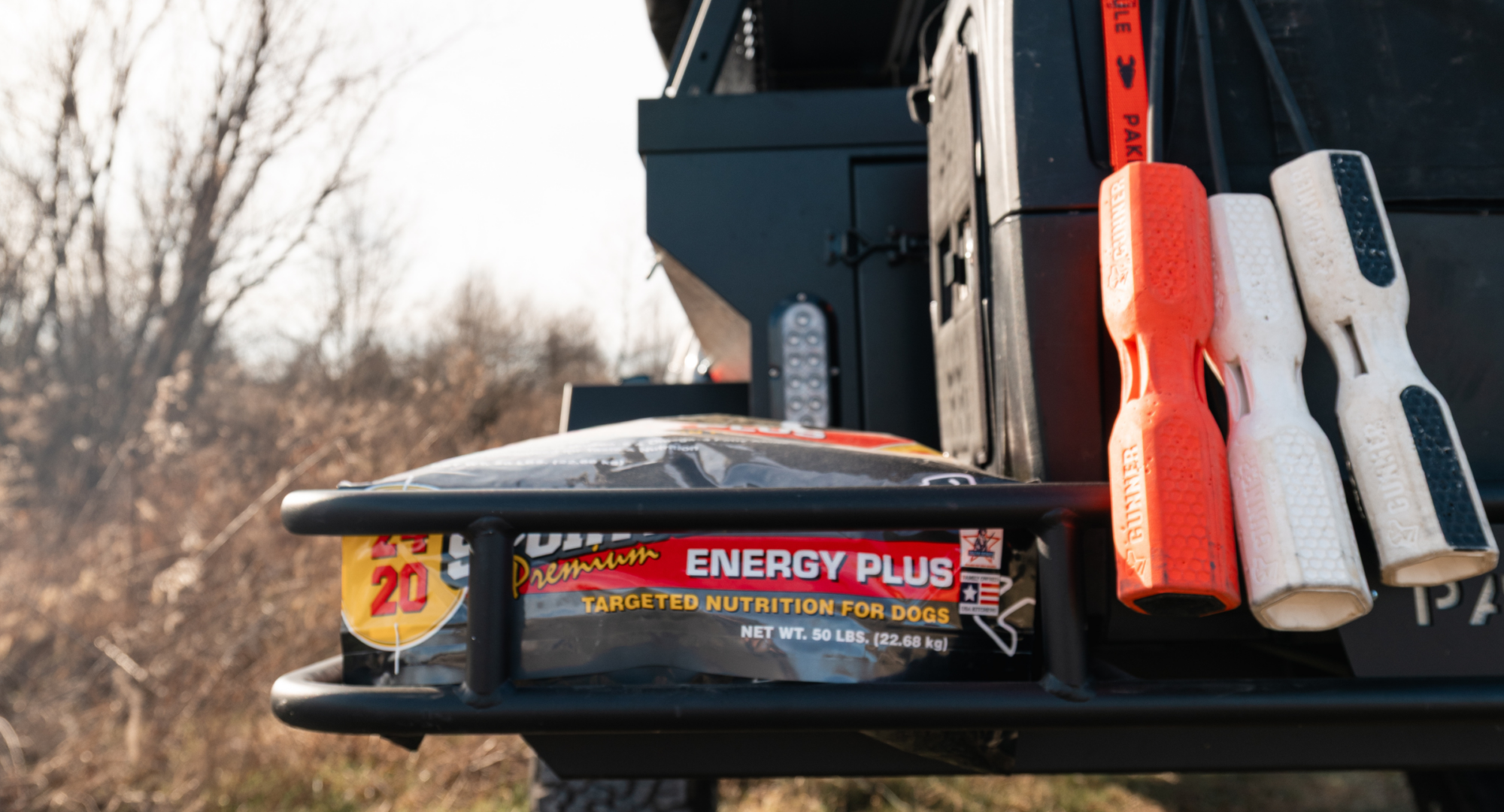
SPORTMiX Energy Plus and SPORTMiX High Protein are both formulated for adult maintenance, but they’re designed differently. Energy Plus provides 24% protein and 20% fat and is intended for highly active adult dogs with higher energy needs. High Protein provides 27% protein and 12% fat and is intended for active adult dogs that need more protein in their diet.
That difference is why there is no single best performance formula for every dog. Compare calorie density, protein and fat levels, life-stage suitability, feeding guidance, and your dog’s body condition before choosing. SPORTMiX gives active dogs several options, but the right recipe is the one that fits the individual dog’s routine and nutritional needs.
How to Choose the Right Food for Your Dog’s Activity Level
The right food depends on what your dog actually does, not just on breed or personality. A dog that goes on regular runs, works outdoors, competes, or trains hard several days a week may need more calories and a different nutrient profile than a dog that just enjoys daily walks and playtime.
It also helps to think about life stage, size, and body condition. Puppies, adult dogs, and seniors can all have different nutritional needs, and large breeds may need a different feeding strategy than smaller athletic dogs.
When the picture gets complicated, a veterinarian or veterinary nutritionist can help you choose a formula that fits both activity and health status.
Signs Your Dog’s Diet Is Supporting an Active Lifestyle
Steady energy, a healthy weight, lean muscle, normal stool quality, a healthy-looking coat, and enthusiasm for activity may be encouraging signs that a diet and feeding amount are working well. However, no one sign proves that a formula is right for a particular dog.
Poor stamina, digestive issues, dull coat condition, unwanted weight loss, or trouble maintaining muscle can have many causes, including illness, parasites, injury, hydration, training, or a mismatch between food and workload. If these changes continue, talk with your vet before making repeated food changes.
Key Takeaways
- Match the formula to the workload. Active dogs do not all need the same type or amount of food. Consider the dog’s activity level, body condition, life stage, and routine.
- Use calorie density wisely. Some dogs may need a more calorie-dense formula, but the right protein and fat levels depend on the type and duration of activity.
- Look beyond one ingredient. The nutritional adequacy statement, calorie content, feeding guidance, and life-stage suitability tell you more than the first ingredient on the label.
- Keep nutrition complete and balanced. A performance-minded formula should still provide complete nutrition for the appropriate life stage.
- Compare SPORTMiX formulas individually. CanineX, Energy Plus, and High Protein have different protein, fat, calorie, and life-stage profiles.
- Watch the whole dog. Changes in body condition, stamina, digestion, or coat condition can point to a feeding mismatch or another health issue that needs veterinary attention.
What Kind of Formula Really Fits an Active Dog Best?
The best dog food for active dogs is the one that supports the dog in front of you: the actual workload, the actual body condition, and the actual life stage. Some dogs need a true performance formula, while others simply need a better-quality everyday diet that can keep up with a more active routine.
When you focus on complete nutrition, usable energy, digestibility, and ingredient quality, it becomes much easier to choose the right food with confidence. And when the bowl matches the dog’s output, you’re far more likely to support energy, recovery, and long-term health in a way that feels sustainable.