

Conditioning Dogs for Hunting Season: The Complete Guide to Building Stamina
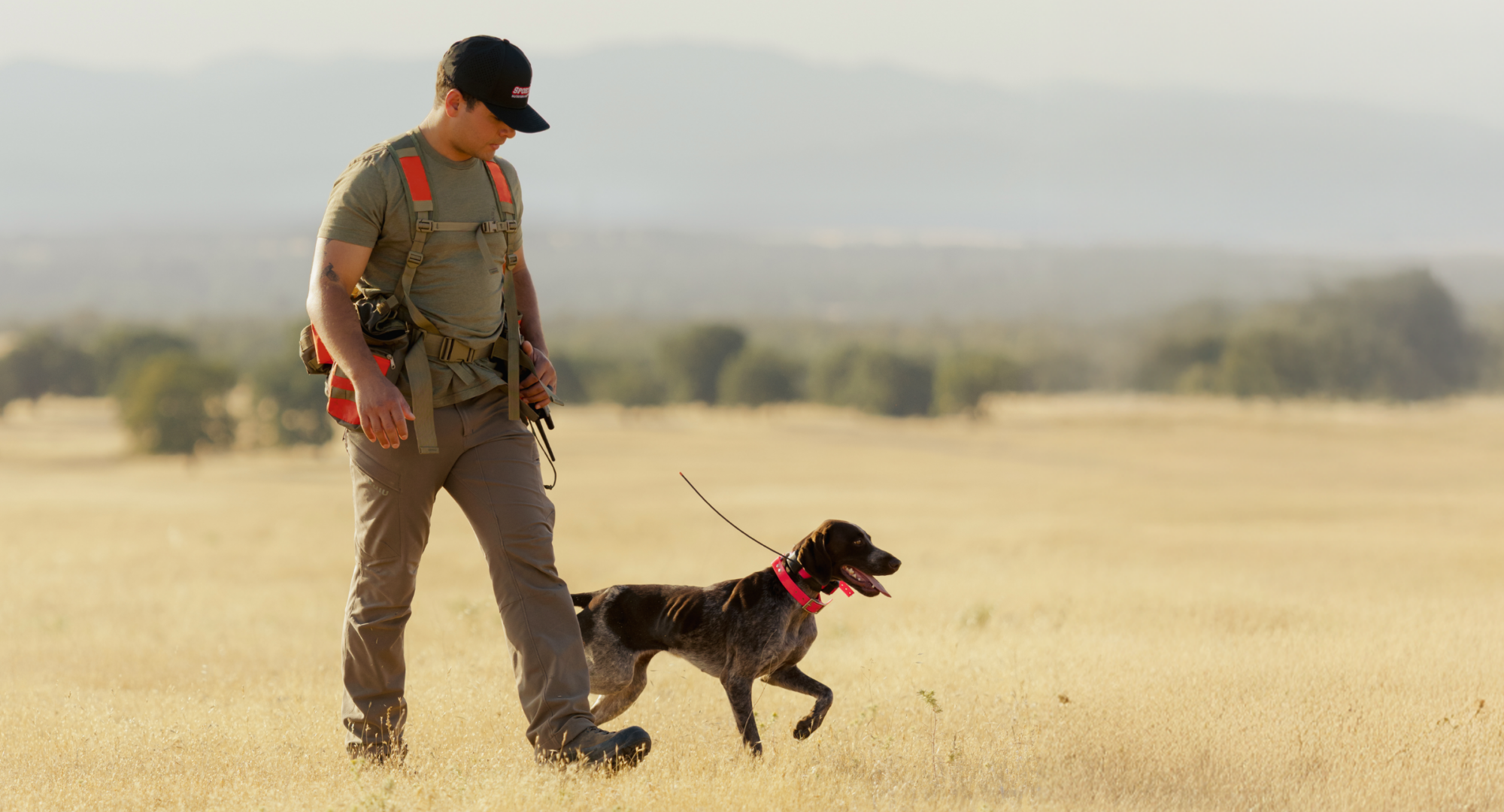
Conditioning dogs for hunting season isn’t something you can rush in the final weeks before opening day. Trainers and veterinarians recommend starting your preparation two to three months before the season begins. Hunting dogs are elite canine athletes that require consistent conditioning throughout the year. A well-conditioned dog can employ roughly three times the amount of oxygen compared to humans. This allows them to maintain intensity for long periods without fatigue.
Building this stamina requires a strategic approach that combines physical training with proper nutrition. In this piece, we’ll walk you through creating a conditioning program, optimizing your dog’s calorie intake and recovery nutrition, designing workout routines, and monitoring your dog’s progress while preventing overtraining.
Before getting started, it’s important to understand what we mean by conditioning. Conditioning dogs psychology, classical conditioning dogs, operant conditioning dogs, and counter conditioning dogs are terms generally associated with behavioral training and learning. For example, operant conditioning for dogs focuses on how consequences can influence behavior, while operant conditioning examples for dogs may include rewarding a dog for performing a desired behavior. In this guide, however, “conditioning” refers primarily to the physical preparation needed to help hunting dogs build stamina, strength, and endurance.
Understanding Stamina Requirements for Hunting Dogs
“Increasing your dog’s stamina reduces fatigue and exhaustion and therefore helps prevent injuries.” — Chris Zink DVM PhD DACVSMR, Veterinarian and Canine Sports Expert
What Stamina Really Means for Hunting Dogs
Stamina defines your dog’s physical and mental capacity to sustain effort throughout repeated activities during the day. A dog with proper stamina runs at the same intensity on the sixth retrieve as it did on the first. This is different from endurance, which focuses on cardiopulmonary capacity for continuous motion over extended periods.
Conditioned dogs operate differently at a cellular level. They keep higher VO2 max levels and stay in an aerobic state longer while burning less glucose. These dogs produce less lactic acid and regulate body temperature better. Out-of-shape dogs go anaerobic faster and deplete their glucose stores at accelerated rates.
The difference shows up when your dog needs to scent. A tired dog breathing hard through its mouth can’t smell birds the way a dog breathing through its nose can. Physical fatigue also reduces mental sharpness and focus on commands. Muscle exhaustion puts unconditioned dogs in the injury zone where weakened muscles allow excessive joint flexion and increase the risk of strains and sprains.
How Long Does It Take to Build Hunting Stamina?
Building hunting stamina requires a minimum 30–45 day conditioning period before the season starts. Most trainers recommend a six-week program beyond regular year-round exercise. This timeline allows your dog’s body to adapt without risking injury or heat stress.
The conditioning process strengthens muscles and tendons while improving joint lubrication. Conditioned dogs also train their bodies to recover from workouts and prepare for longer hunts and consecutive hunting days.
Creating Your Dog’s Stamina Building Plan
Your conditioning plan must match the terrain where you’ll hunt. Training on flat ground when you hunt mountainous areas is like preparing for a marathon but running an obstacle course instead. The body adapts, but not before shortened or lost hunting days due to fatigue or injury.
Physical conditioning and nutrition work together as foundational elements. Feeding a high-protein, high-fat performance diet primes your dog’s metabolic engine to convert nutrients into energy. Dogs kept on performance nutrition year-round gain a two-month conditioning advantage over dogs fed maintenance diets.
Start with progressive training that prevents injury while building capacity. Your plan should account for both physical workload and mental stimulation, as hunting presents cognitive challenges among physical demands.
Calories and Recovery: The Foundation of Endurance
How Many Calories Does a Hunting Dog Need?
A 50-pound dog needs approximately 1,193 calories daily as a baseline. That number increases anywhere from two to five times when activity levels rise, depending on metabolism, effort, and weather conditions. Endurance athletes require five or more times the calories of a dog at rest. To name just one example, a 50-pound dog needs about 1,500 calories for a light day but upwards of 5,000 calories for a long day of strenuous activity.
Temperature affects caloric needs substantially. A dog’s calorie requirements increase nearly 7 percent for every 10 degrees the temperature drops below moderate spring and fall temperatures. The opposite holds true as well: dogs need about 7 percent fewer calories for every 10-degree rise above those moderate temperatures.
The Role of Protein and Fat in Stamina
Fat provides the energy for exercise while protein rebuilds muscles. A dog’s biggest energy source comes from fat, not carbohydrates, with dogs burning fat at almost two times the rate of humans. Performance diets should contain 28 to 30 percent protein and 18 to 20 percent fat.
The metabolic transition to higher protein and fat levels takes about 60 days before benefits fully take effect. A high-protein, high-fat diet primes your dog’s metabolic engine to convert nutrients into energy with maximum efficiency.
Recovery Nutrition After Training Sessions
Give your dog adequate time to cool down after exercise before feeding. Wait at least one hour after exercise to allow your dog’s body to cool. Internal temperature can remain 2–3 degrees higher than rectal temperature indicates, and feeding while body temperature is still elevated creates additional heat inside the body.
A cool indoor environment can also help dogs become comfortable following warm-weather training. Questions such as do dogs like air conditioning, do dogs get cold in air conditioning, and is air conditioning bad for dogs often come up during summer conditioning. When considering dogs and air conditioning, remember that every dog has different temperature tolerances based on factors such as coat, age, size, and activity level. Air conditioning for dogs should provide a comfortable recovery environment rather than an excessively cold space.
Feeding Schedule for Training Weeks
Feed performance dogs once daily after exercise and at day’s end. This allows complete digestion, which takes 20 to 24 hours. Dogs that need more than 4 cups daily can receive a small morning portion and the main meal late afternoon.
When to Adjust Food Amounts During Conditioning
Food quantity should increase in the first four to six weeks of conditioning, then level off and decline slightly. Adjust portions based on body condition, not bag guidelines.
Building Your Dog’s Workout Program
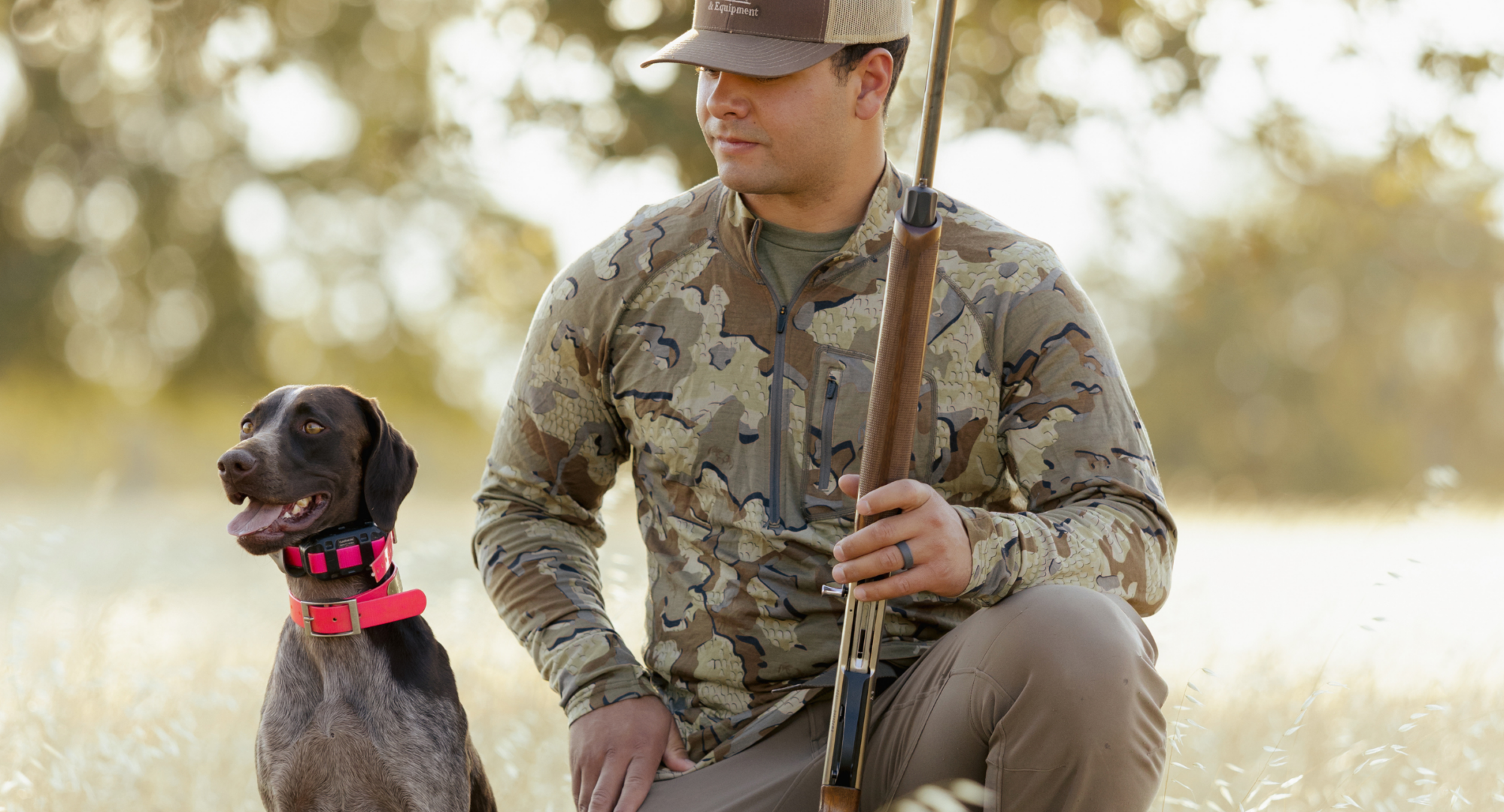
“Dogs need to be in good physical condition going into the season, which means owners and trainers should focus on getting a dog into top condition weeks ahead of opening day. Those who build a performance platform that balances training, conditioning and nutrition are enabling a dog to be its best.” — Karl Gunzer, Senior Manager of the Sporting Group at Purina
Weekend vs. Weekday Training Workloads
Training twice daily delivers optimal results. Early morning sessions before temperatures rise should focus on field runs or hill work. Evening sessions work best for swim training and should be conducted at least three times weekly. Weekday sessions can be shorter and focused. They require just five minutes of disciplined work. Weekend training allows for longer durations when temperatures cooperate.
Land-Based Conditioning Exercises
Walk your dog three to four times weekly for one mile on soft surfaces like grass or dirt. You can progress to hill runs twice weekly using an ATV or electric bike. This allows dogs to run ahead for 30–45 minutes. Running hills builds rear leg strength and maintains lean muscle. Three-mile runs work well for most dogs, with attention paid to paw pad condition.
Water Work for Low-Impact Endurance
Swimming provides total-body workouts without joint strain. Five minutes of swimming equals a five-mile run in conditioning benefits. Extended swims of 12–15 minutes alongside a canoe or paddleboard build stamina better than 20 short retrieves. Water resistance strengthens shoulder and rear leg muscles while preventing heat stress.
Terrain-Specific Training for Your Hunting Style
Your conditioning should match actual hunting terrain. Dogs trained on flat ground struggle in mountains or thick brush. Retrievers need short-distance power through heavy vegetation, while upland dogs require cardiovascular conditioning for longer ranges. You should train in native grasslands, CRP fields, hills, or timber edges that mirror your hunting conditions.
Monitoring Progress and Preventing Overtraining
Signs Your Dog Is Building Stamina
Record what you were doing when your dog reaches muscle overload during each exercise session. This tracking allows you to measure progression week over week. If your dog isn’t progressing past previous overload points, an injury might be present.
Recovery time tells you everything. A dog’s breathing and demeanor should return to normal within 10–15 minutes after regular activity. Dogs building stamina recover faster between sessions and maintain enthusiasm for cover work throughout the day.
Warning Signs of Overwork
Watch for slowing pace, decreased enthusiasm, increased panting, and seeking shade more than usual. Moderate fatigue shows up as lagging behind, reluctance to work, stumbling on terrain, and excessive drooling.
Physical signs include stiffness after activity, limping, slower gait, or hesitation before jumping. Behavioral changes like irritability, restlessness, lack of focus, or resistance to familiar commands indicate overtraining.
Adjusting Intensity as Season Approaches
Alternate between intense training days and lighter activities or rest days. Monitor energy levels to prevent overexertion. Early-season hunting after multiple consecutive days requires week-long recovery periods even for experienced dogs.
Heat Safety During Summer Conditioning
Stop when your dog’s tongue tip turns red and starts to curl. Train when outdoor temperature plus humidity stays below 150. Avoid strenuous activity above 70 degrees unless conditions include good breeze or low humidity.
Apply cool water or rubbing alcohol to the belly, armpits, and groin to lower body temperature faster. Stop cooling when temperature reaches 103°F.
Coat and skin care may also be part of a hunting dog’s routine, but products such as conditioning spray for dogs, conditioning shampoo for dogs, or Isle of Dogs Primrose Oil Conditioning Mist refer to coat conditioning rather than the physical conditioning discussed throughout this guide. Keeping the distinction in mind can make it easier to find the right information and products for your dog’s specific needs.
Conclusion
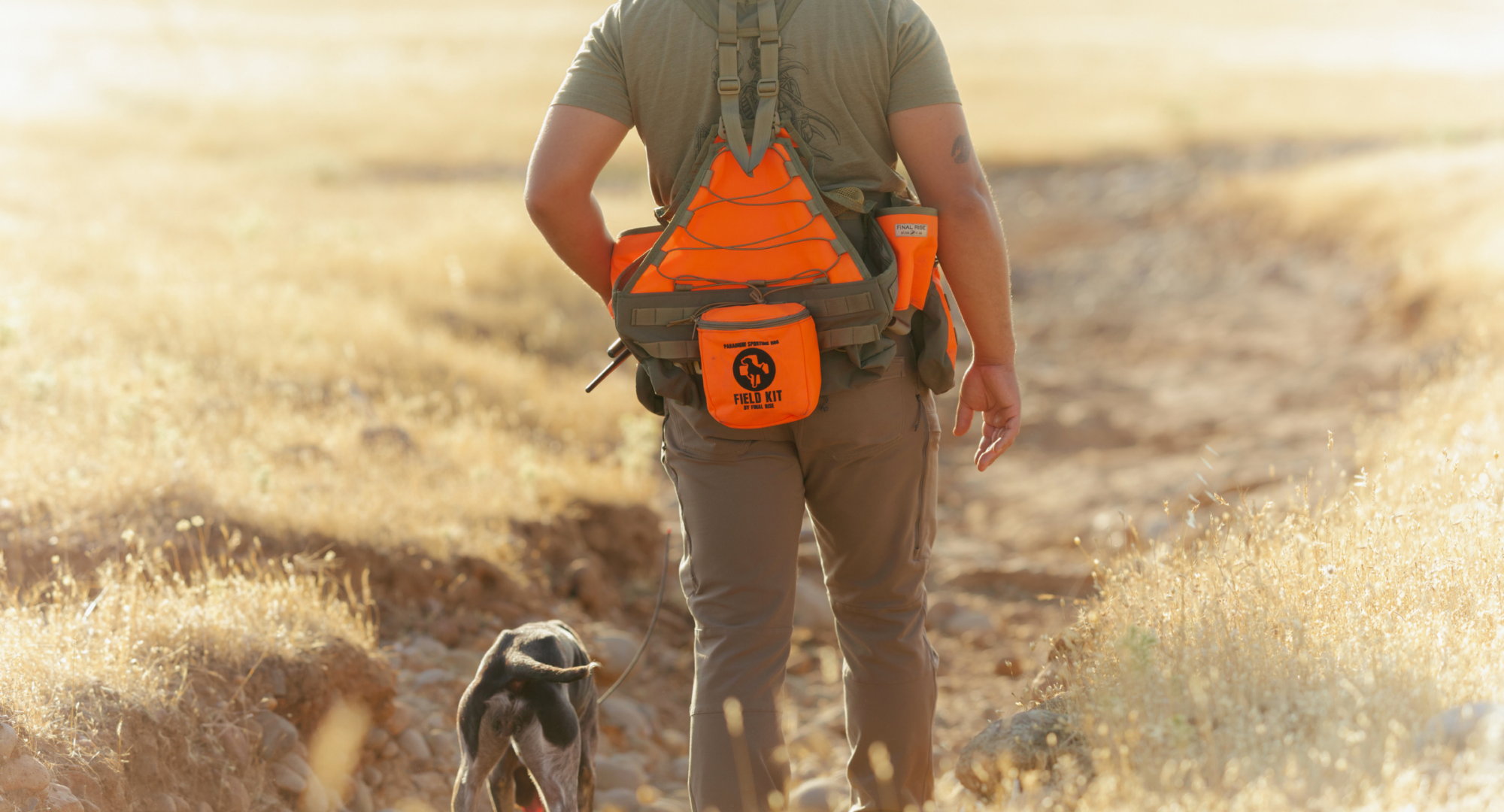
Conditioning and nutrition work as inseparable partners when you build your dog’s hunting stamina. You can’t succeed with one and neglect the other. Start your program two to three months before opening day. Increase intensity gradually and monitor for overtraining signs. Match your workouts to actual hunting terrain.
Dogs conditioned through progressive training and performance nutrition will hunt stronger on the final retrieve than those rushed through last-minute preparations. Your patience now prevents injuries and shortened seasons later.
