

Why Does My Dog Get Hyper at Night? (The Real Reasons and Simple Fixes)
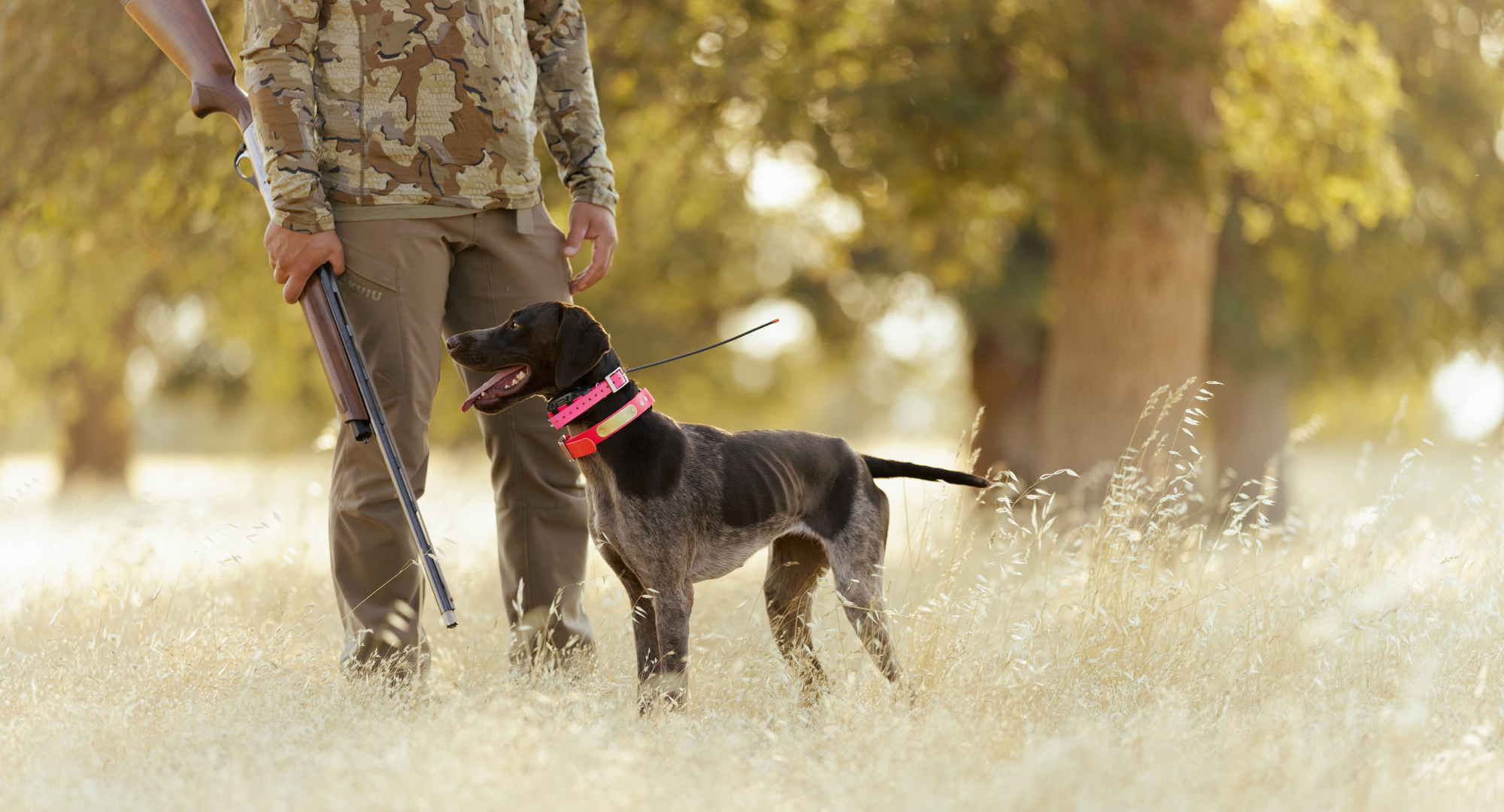
Most evenings, my dog was calm all day and then, somewhere between 6 and 9pm, something would shift. That stretch of time has a name among dog owners: the witching hour. What looked like a sudden burst of chaos actually had a pattern once I started paying closer attention.
The more I looked into it, the clearer it became that this kind of evening energy usually traces back to three things happening at once: overstimulation from household noise, not enough movement or mental activity earlier in the day, and meals sitting too close to bedtime. Most dogs need roughly three hours after eating before they can truly settle. Recognising that combination was what finally helped me put a workable routine together.
Why Does My Dog Get Hyper at Night?
Several distinct patterns drive this behaviour, and most of them trace back to how the day unfolded before the sun went down.
Normal evening zoomies and your dog’s sleep pattern
Frenetic Random Activity Periods, or FRAPs, are the technical name for what most owners simply call zoomies: sudden bursts of running in circles, spinning, and play bows. These are a normal release of pent-up energy, not misbehaviour. Younger dogs tend to frap far more often than seniors, and the habit naturally fades as energy levels drop with age. The 5 to 8pm window many dogs fall into coincides with mealtime or an owner arriving home, and that burst of activity often signals the start of a wind-down period rather than more chaos to come.
Too little exercise or mental activity during the day
A dog who spends most of the day crated or indoors with little stimulation doesn’t simply bank that energy for tomorrow. It builds up and surfaces the moment household activity picks up again. Physical exercise alone doesn’t fully address this, either. A dog who completed a thirty-minute walk but never got to sniff freely, work through a training session, or solve any kind of problem still carries a brain full of unspent energy by evening. Tail-chasing, excessive barking, pacing, and digging are all worth paying attention to, since each one points to boredom rather than a difficult dog.
Why working breeds may need more than walks
Breeds originally developed for a working role, including German Shepherds, Border Collies, Australian Shepherds, and Australian Cattle Dogs, need mental exercise alongside their physical activity. Mental work can tire a dog out more quickly than a walk alone, and when that need goes unmet, it tends to show up as chewing, digging, or restlessness well into the night.
Overtiredness and missed rest
There’s a point of exhaustion where dogs don’t settle down, they actually speed up. Cortisol keeps an overtired body moving, which produces the zoomies, nipping, and inability to wind down that owners often read as excess energy still left over from the day. Dogs are built to sleep in short bursts spread across the day, and when regular rest gets skipped or interrupted, they arrive at the evening wound considerably tighter.
Evening noise, excitement, and anxiety
Evenings tend to concentrate a lot of stimulation at once: dinner being prepared, children arriving home, the television on in the background. For a dog, all of that sensory input lands on top of whatever has already accumulated during the day. Not all of this heightened state is joyful, though. Ears pinned back, a furrowed brow, heavy panting, or repeated lip licking alongside the hyperactivity can suggest anxiety rather than excitement. Unfamiliar sounds, wildlife near the windows, or the prospect of being separated overnight can each keep a dog unsettled long after the household has quietened down.
Build a Daily Routine That Helps Your Dog Settle
Understanding what drives evening hyperactivity is only half the work. The other half is building a day that doesn’t leave your dog arriving at bedtime with a tank still full.
Match daytime exercise to age, breed, and health
Walks, toy play, and off-lead time in safe spaces all count toward physical output, but the right amount looks different for every dog. A healthy adult working breed needs far more movement than a senior dog or a young puppy, and applying the same schedule to all three tends to leave someone underserved. Matching the activity level to the individual dog, rather than following a general rule, is what actually reduces leftover energy by evening.
Keep meals predictable and allow time for a toilet break
Consistent feeding times make a real difference here. A hungry dog finds it much harder to settle, and an unpredictable meal schedule can leave the body unsure of what to expect and when. Before bedtime, a toilet break paired with something calming, like a long-lasting chew, helps close out the evening properly. Unmet needs at this stage have a way of resurfacing as restlessness once the lights go down.
Switch from active play to a quiet bedtime routine
The transition from evening activity to sleep matters as much as the activity itself. Ending the night with rough play tends to work against settling, whereas sniffing games, gentle chewing, or licking activities give the body a chance to decompress from the day’s stimulation. Where your dog sleeps also plays a role. A calm, undisturbed spot with a comfortable bed supports the short, repeated sleep bursts dogs naturally cycle through overnight.
Reward calm behavior instead of chasing or scolding
Chasing a wound-up dog or raising your voice tends to amplify the very energy you’re trying to bring down. Settling on a mat is a skill worth practicing during quiet moments, when your dog is already calm, because that’s when the lesson sticks. Keeping a toy or a treat close by also gives you something to redirect toward before an overstimulating moment has a chance to build into something harder to manage.
Offer Enrichment Without Extra Calories
A tired brain is just as effective at calming an energetic dog as a long walk. The difference is that mental work doesn’t require more food, more space, or more time outdoors. What it does require is a small shift in how meals are offered.
Try sniff walks, scent trails, and toy searches
Dogs carry up to 300 million scent receptors, and free sniffing activates a seeking system in the brain that lowers heart rate and reduces stress. A long-lead walk, where your dog sets the direction and the pace, does something a brisk structured walk rarely does: it genuinely decompresses them. Hiding a toy before heading out, then releasing your dog to find it on return, works along the same lines. Many owners find this settles a dog more effectively than another loop around the block.
Use part of regular meals for food puzzles
Dogs prefer food they have worked for over food placed in front of them freely, and feeding through toys rather than bowls has been linked to higher activity levels across the day. A snuffle mat, a muffin tin with tennis balls pressed over the kibble, or a handful of kibble scattered across the kitchen floor can each stretch a 60-second meal into something that holds a dog’s attention for far longer. There’s no new food involved here, just a different way of offering what’s already in the schedule.
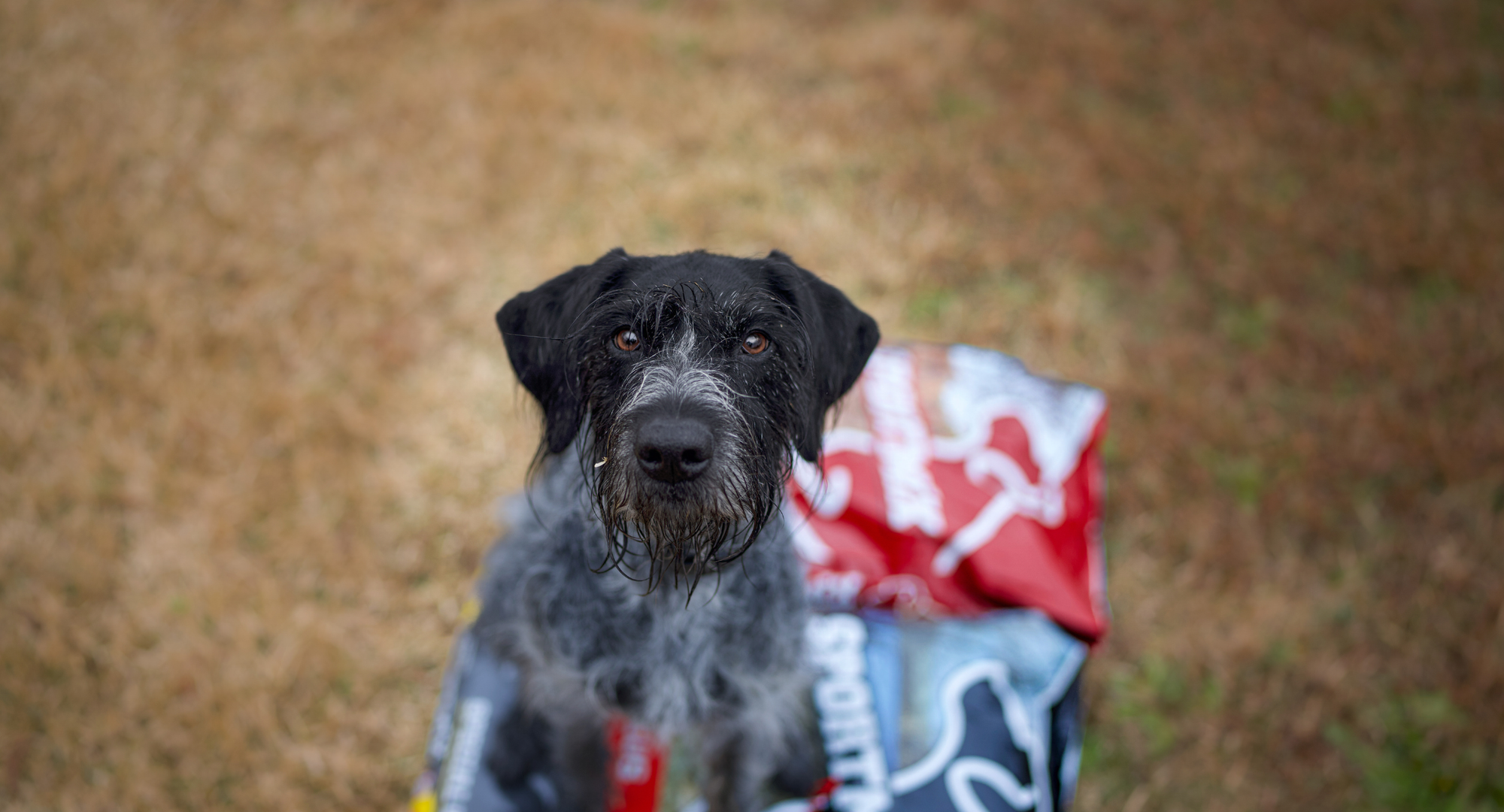
Avoid overfeeding for calm: extra food is not a sleep aid
Adding treats on top of regular meals doesn’t help a dog settle, and over time it creates a separate problem if weight begins to creep up. The goal isn’t more food. It’s using the meals already planned in a way that keeps the brain occupied for 20 to 40 minutes. That one adjustment can address both the under-stimulation and the pent-up energy behind most evening hyperactivity, without disrupting the feeding timing that already supports good digestion and sleep.
When Nighttime Behavior Needs Professional Help
Routine changes fix most cases of evening hyperactivity within a week or two. Adjusting exercise, adding mental enrichment, and spacing meals away from bedtime covers the most common causes. There are times, though, when those changes don’t move things in the right direction, and that gap is worth paying attention to.
A sudden change in behavior is worth discussing with your vet
A dog who settled reliably for years and then starts pacing or refusing to wind down is telling you something different from a dog who’s simply under-exercised. When the daily routine hasn’t shifted but the behavior has, something physical is more likely driving it than boredom. That kind of sudden change is worth raising with a vet sooner rather than waiting to see if it passes on its own.
Watch for pain, unusual thirst, or disorientation in older dogs
Senior dogs deserve particular attention here. Nighttime restlessness in an older dog can point to discomfort or an underlying health issue rather than leftover energy. Pacing without an obvious cause, drinking more water than usual, or seeming disoriented in familiar spaces are all signs worth mentioning at the next vet visit. These symptoms won’t improve with a better bedtime routine or an extra walk.
Reward-based training support can help when settling remains a struggle
Some dogs need more structured guidance to learn how to settle, even when the rest of the routine is solid. A reward-based trainer can work through this step by step, building a calm response without the use of scolding or punishment, both of which tend to increase anxiety and make evenings harder rather than easier.
Conclusion
Evening hyperactivity in dogs is rarely random. Overstimulation, insufficient movement through the day, and meals sitting too close to bedtime are behind most of it, and small, consistent changes to the daily routine tend to sort things out within a few weeks. Matching exercise to the individual dog, using mealtimes for mental enrichment, and winding evenings down gradually made a real difference in my house. Consistency carried more weight than any single adjustment. That said, if restlessness appears out of nowhere in a dog whose routine hasn’t changed, it’s worth speaking to a vet rather than waiting for it to pass on its own.
