

How to Winterize a Dog Kennel: A Comprehensive Guide
As winter approaches, learning how to winterize a dog kennel is essential to keep your furry friend warm, safe, and comfortable outdoors. Dogs, like humans, can suffer from the harsh effects of cold weather, making it essential to take proactive measures to winterize their living space. This guide will provide you with detailed steps and tips on how to keep a dog warm outside during winter, ensuring their safety and comfort throughout the chilly months.
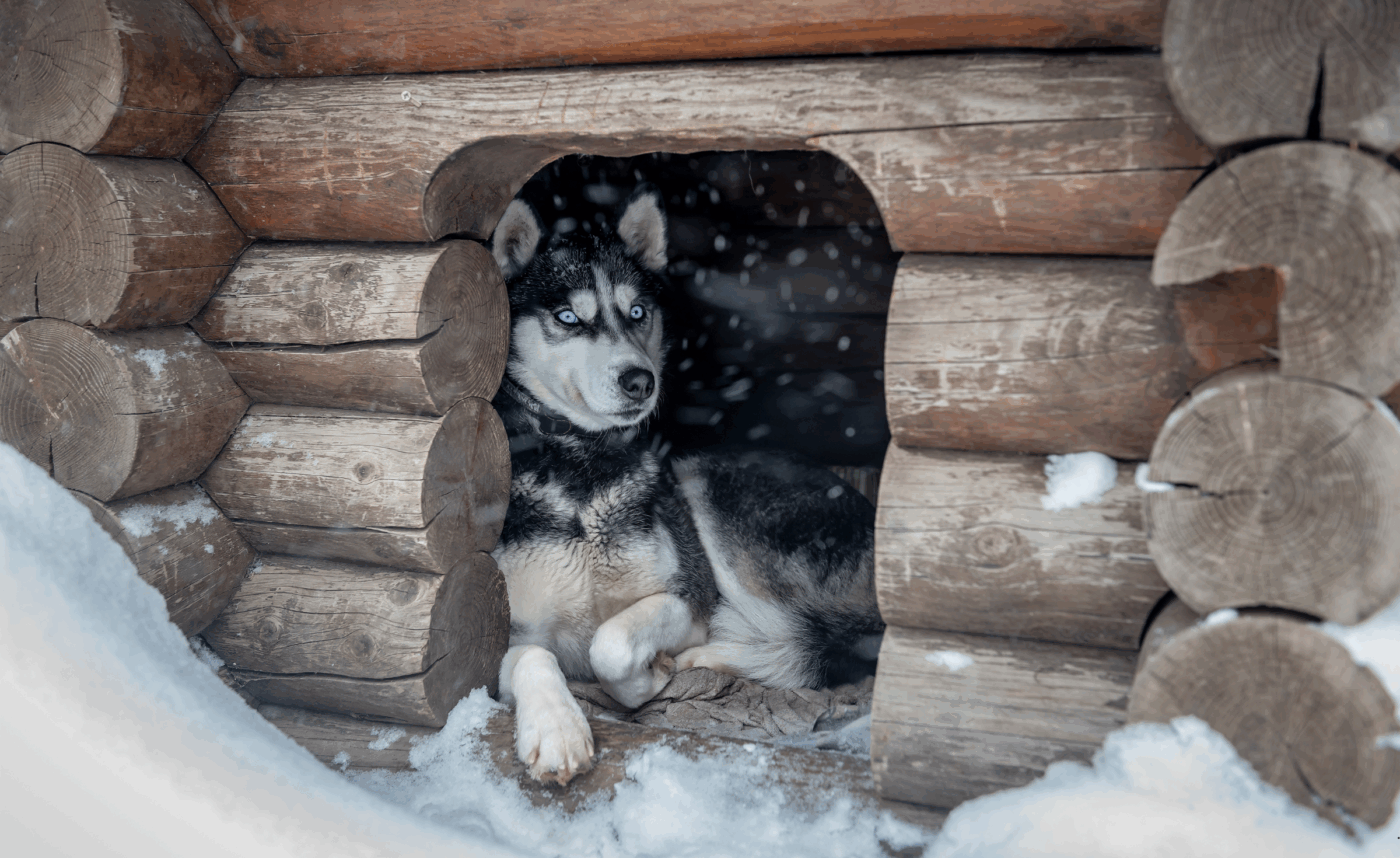
Why It’s Important to Winterize a Dog Kennel
Winterizing your dog kennel is not just about providing warmth; it’s about creating a safe and healthy environment for your pet. Cold weather can lead to various health issues, including hypothermia and frostbite. By taking the necessary steps to prepare your dog’s outdoor space, you can significantly reduce these risks.
Health Risks When You Don’t Winterize a Dog Kennel
- Hypothermia: Dogs can develop hypothermia when exposed to cold temperatures for extended periods. Symptoms include shivering, lethargy, and weakness.
- Frostbite: Extremities such as ears, tails, and paws are particularly susceptible to frostbite, which can lead to tissue damage.
- Increased Stress: Cold weather can cause anxiety and stress in dogs, affecting their overall well-being.
Benefits of Proper Dog Kennel Winterization
- Comfort: A properly insulated kennel provides a warm refuge for your dog, allowing them to rest comfortably.
- Health: Maintaining a stable temperature helps prevent cold-related health issues.
- Peace of Mind: Knowing your dog is safe and warm allows you to enjoy winter activities without worry.
Choosing the Right Kennel for Winter Weather
When selecting a dog kennel for winter use, consider the size, material, and insulation properties. A well-constructed kennel can make a significant difference in how to keep a dog warm outside during winter.
Kennel Size Considerations for Winterization
- Appropriate Dimensions: The kennel should be large enough for your dog to stand, turn around, and lie down comfortably but small enough to retain body heat.
- Elevated Design: An elevated kennel helps prevent cold air from seeping in from the ground.
Best Materials for a Winter-Ready Dog Kennel
- Insulated Materials: Look for kennels made from insulated materials like wood or high-quality plastic that can withstand cold temperatures.
- Weatherproofing: Ensure the kennel is weatherproof to protect against rain, snow, and wind.
How to Winterize a Dog Kennel With Proper Insulation
Insulation is a critical component of winterizing your dog kennel. Proper insulation helps maintain a stable temperature inside the kennel, keeping your dog warm and comfortable.
Types of Insulation for Dog Kennel Winterization
- Foam Board Insulation: Rigid foam boards can be added to the walls and roof of the kennel to provide excellent thermal resistance.
- Straw or Hay: Using straw or hay as bedding can create a natural insulating layer, helping to keep your dog warm.
Tips for Installing Insulation in an Outdoor Dog Kennel
- Seal Gaps: Check for any gaps or cracks in the kennel and seal them with weatherproof tape or caulk to prevent drafts.
- Insulated Roof: Ensure the roof is insulated and sloped to allow snow and rain to slide off easily.
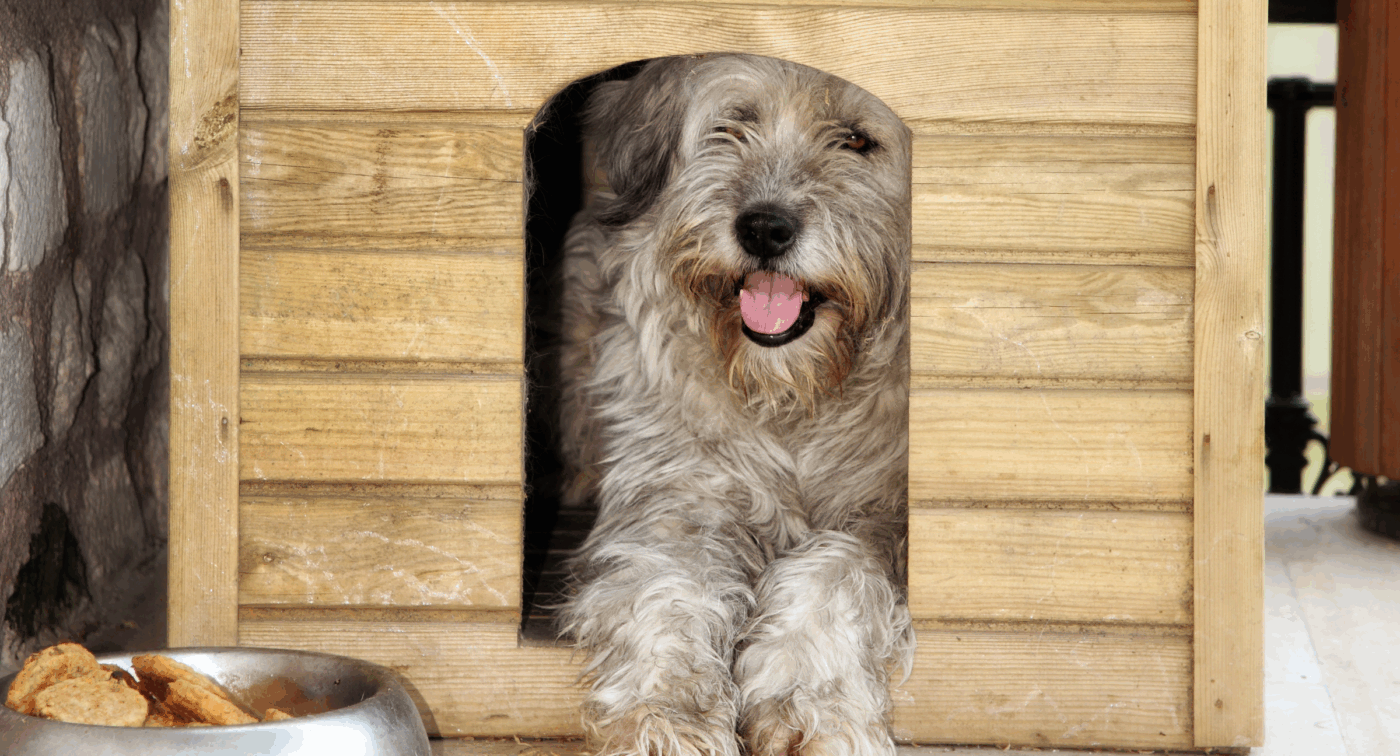
Creating a Warm Environment Inside the Kennel
In addition to insulation, creating a warm environment inside the kennel is essential for your dog’s comfort.
Bedding Options for a Winterized Dog Kennel
- Elevated Beds: Consider using an elevated dog bed to keep your pet off the cold ground.
- Warm Blankets: Provide thick, washable blankets for added warmth. Ensure they are safe and cannot be chewed or ingested.
Safe Heating Choices for Outdoor Kennel Winterization
- Heated Pads: If necessary, use outdoor-rated heated pads designed for pets. Ensure they are safe and have a thermostat to prevent overheating.
- Passive Heating: Utilize the dog’s body heat and insulation to maintain warmth rather than relying solely on electric heating.
Ventilation Tips When You Winterize a Dog Kennel
While it’s crucial to keep your dog warm, proper ventilation is equally important to prevent moisture buildup inside the kennel.
Preventing Moisture Buildup in a Winterized Kennel
- High Vents: Install vents near the roof to allow warm, moist air to escape while preventing cold drafts from entering.
- Windbreaks: Position the kennel away from prevailing winds and consider adding windbreaks to shield it from harsh weather.
Winter Feeding and Water Tips for Outdoor Dogs
Maintaining access to fresh water and food is vital during winter months. Cold temperatures can cause water to freeze, making it challenging for your dog to stay hydrated.
Preventing Frozen Water in a Winterized Dog Kennel
- Heated Bowls: Invest in insulated, heated water bowls to prevent freezing. These bowls ensure your dog has access to fresh water at all times.
- Regular Checks: Monitor water levels frequently, especially during extreme cold snaps, and replace any frozen water.
Nutrition for Dogs Staying in Outdoor Winter Kennels
- Increased Caloric Intake: Dogs may require more calories in winter to maintain their energy levels. Consult your veterinarian for dietary adjustments.
- Quality Food: Ensure your dog is receiving high-quality food that meets their nutritional needs.
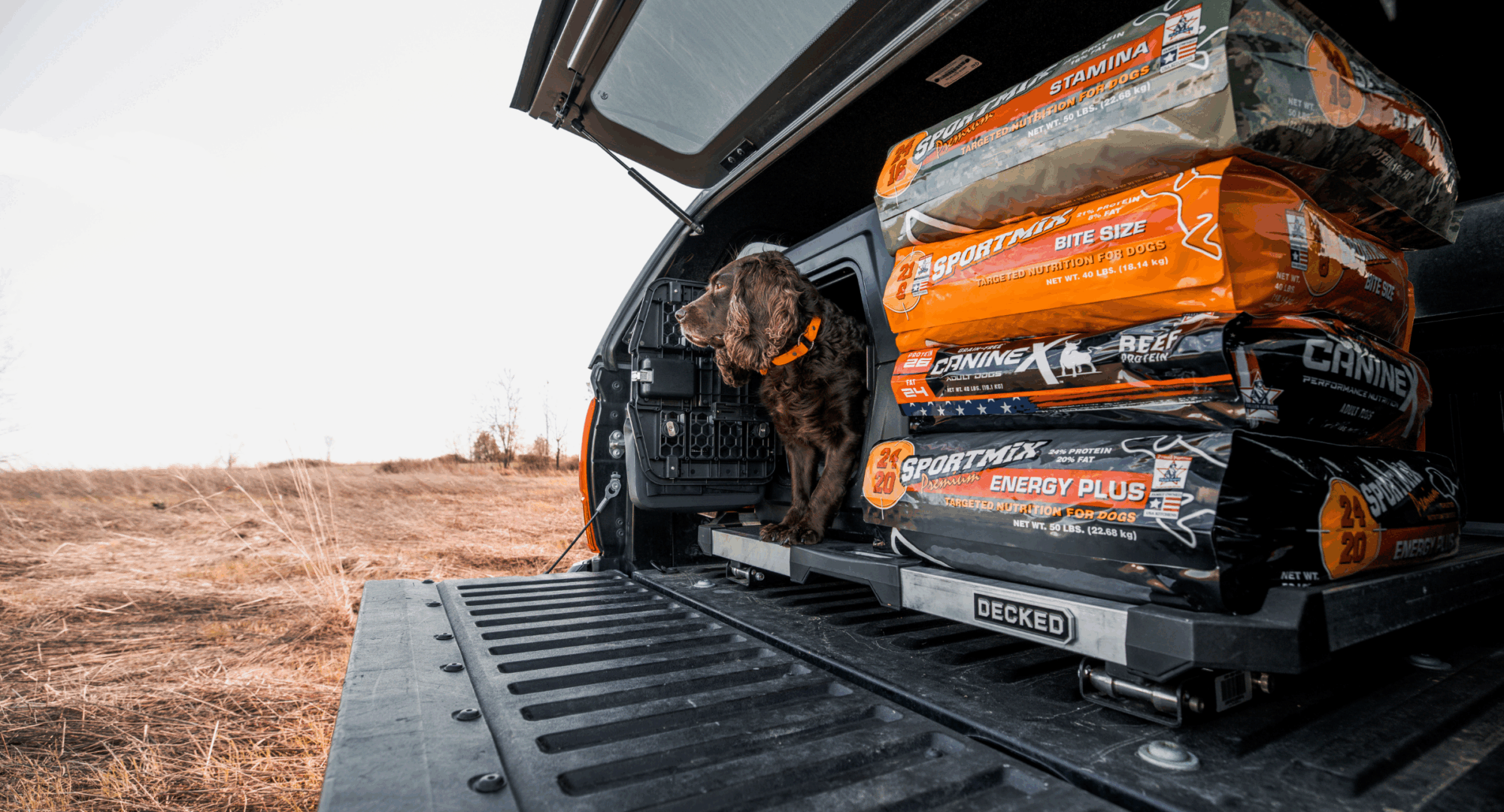
Monitoring Your Dog’s Health in a Winterized Kennel
Regularly monitoring your dog’s health during winter is essential to ensure they are coping well with the cold.
Signs Your Dog Is Too Cold Even After Winterization
- Behavioral Changes: Watch for signs of discomfort, such as excessive shivering, whining, or reluctance to enter the kennel.
- Physical Symptoms: Check for cold extremities, lethargy, or any signs of frostbite.
When to Bring Your Dog Indoors During Extreme Weather
- Regular Check-ups: Schedule regular veterinary visits to ensure your dog is healthy and up-to-date on vaccinations.
- Discuss Winter Care: Talk to your vet about specific winter care needs for your dog, especially if they have health concerns.
Final Checklist on How to Winterize a Dog Kennel
In some regions, winter can bring extreme weather conditions. Being prepared for these situations is crucial for your dog’s safety.
Emergency Preparedness for Harsh Winter Conditions
- Indoor Shelter: Have a plan in place to bring your dog indoors during severe weather conditions, such as heavy snow or extreme cold.
- Temporary Housing: Consider temporary boarding options if you cannot provide adequate shelter during particularly harsh weather.
Maintenance Tips for Your Winter-Ready Dog Kennel
- Inspect the Kennel: Regularly check the kennel for any damage or wear and tear, especially after storms.
- Clear Snow and Ice: Keep the area around the kennel clear of snow and ice to prevent slips and falls.
Conclusion
Winterizing your dog kennel is an essential task that ensures your furry friend remains safe and comfortable during the colder months. By taking the necessary steps to insulate, provide warmth, and monitor your dog’s health, you can effectively keep your dog warm outside during winter. Remember, a well-prepared kennel not only protects your pet from the elements but also enhances their overall well-being. With the right care and attention, your dog can enjoy the winter season just as much as you do.
