

15 Working Dog Breeds and What They’re Best At
Looking for a hardworking, loyal canine to join your family? Working dog breeds offer intelligence, endurance, and a strong desire to help. From herding and guarding to search and rescue, these dogs are built for action and thrive when given a purpose.
In this guide, we’ll cover what defines a working dog breed, share 15 of the top breeds and what they’re best at, and help you decide if one of these incredible canines is the right match for your lifestyle.
What Is a Working Dog Breed?
Working dog breeds are a diverse group of dogs originally bred to perform specific tasks for humans. These tasks include herding livestock, guarding property, pulling sleds, rescuing lost hikers, and assisting law enforcement or military personnel. Over generations, these dogs developed physical traits and instincts tailored to their roles.
Organizations like the American Kennel Club classify many of these breeds in their Working Group based on historical roles and capabilities. While many working dogs still carry out their traditional jobs, others have adapted to family life. But make no mistake – their drive, energy, and intelligence often remain. That’s why understanding a breed’s background is essential before bringing one home.
Our Pick of the Top Working Dog Breeds
Before choosing a working breed, it helps to know their natural strengths. Here are 15 of the most popular and capable working dogs – and what they’re best known for.
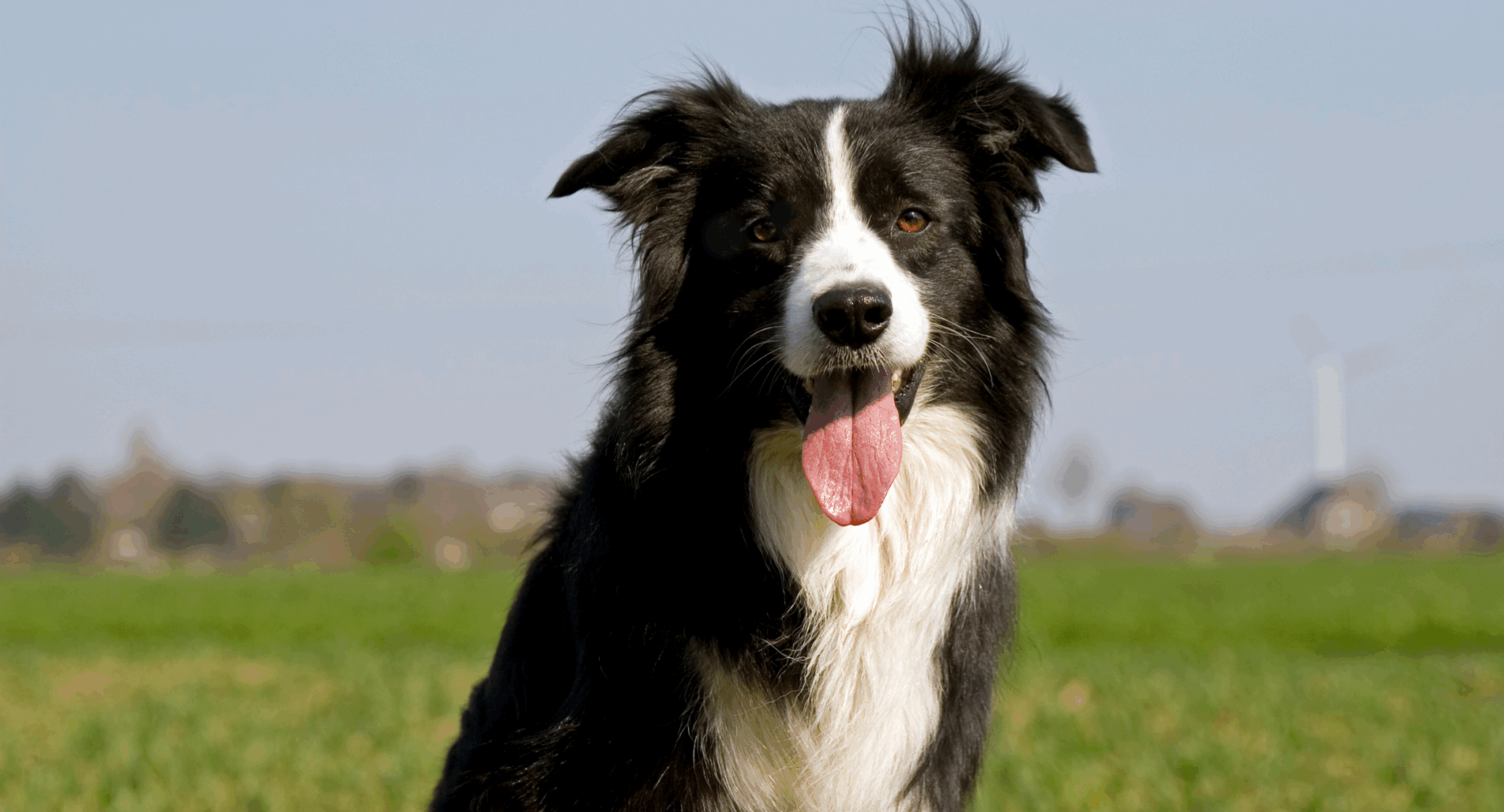
1) Border Collie
Known as the smartest dog breed, Border Collies excel in herding. Bred to manage livestock across rugged terrains, they have intense focus and an unmatched work ethic.
These dogs are happiest when they have a job to do. Their mental agility makes them top performers in dog sports like agility, obedience, and flyball. They’re among the best farm dogs for managing sheep or cattle.
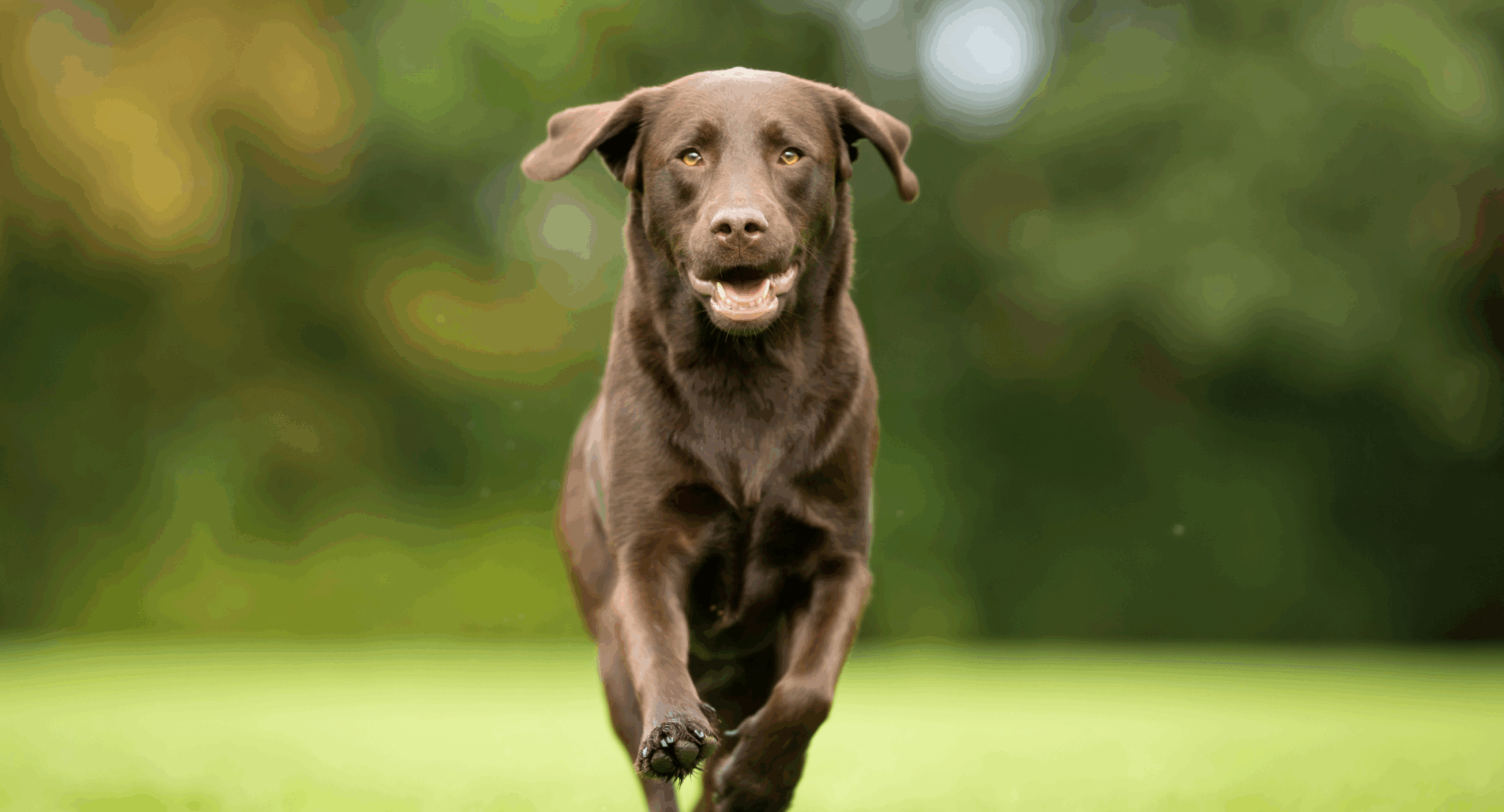
2) Labrador Retriever
Originally bred to retrieve waterfowl, Labrador Retrievers are hardworking and eager to please. Their versatility makes them one of the most popular service dogs today.
They thrive as therapy dogs, search-and-rescue dogs, and in detection work. Their gentle nature also makes them excellent family dogs, adaptable to both urban and rural homes.
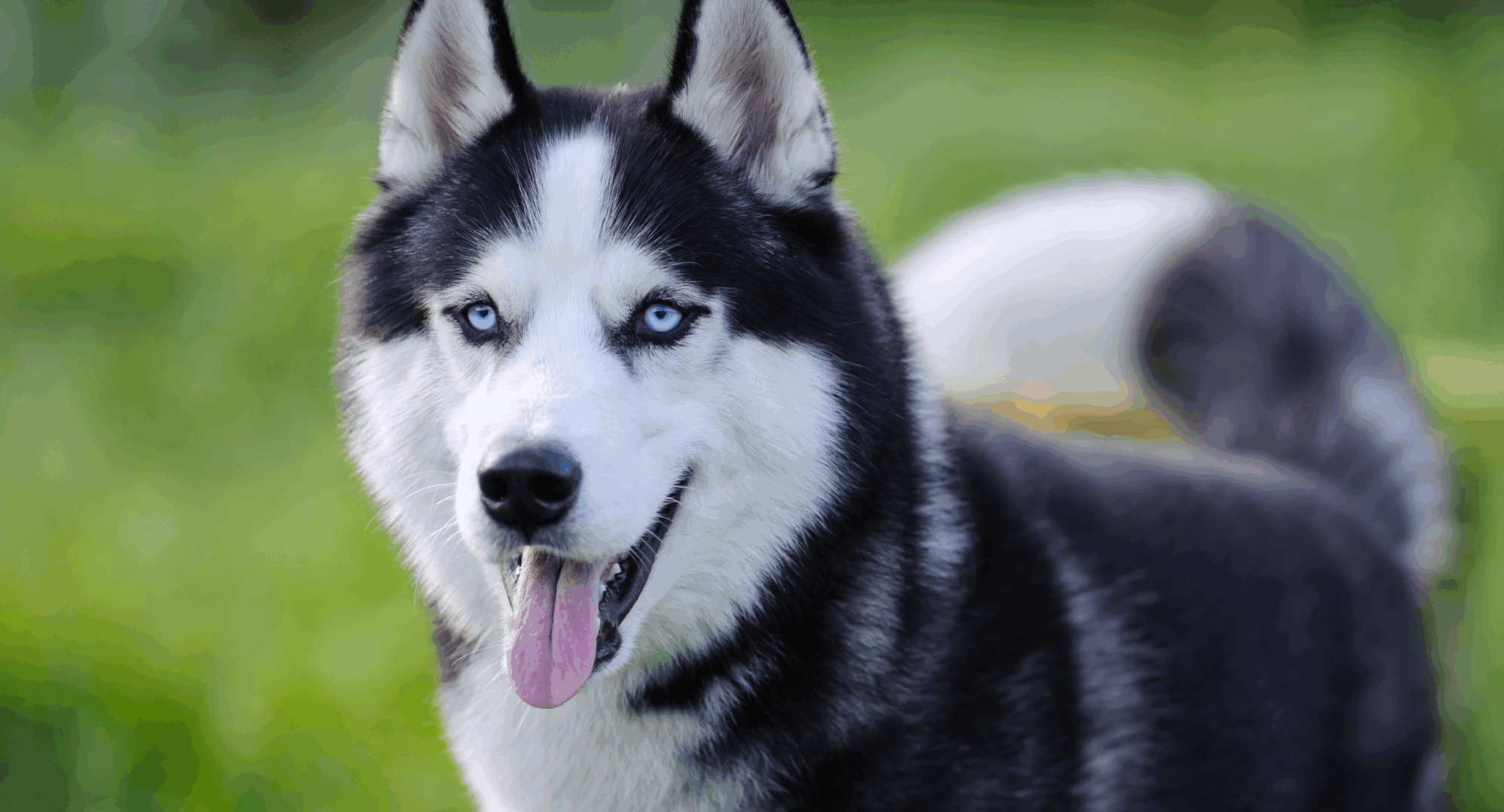
3) Siberian Husky
Siberian Huskies are famous for their stamina and sled-pulling skills. Bred in harsh Arctic conditions, they can travel long distances with minimal fatigue.
These iconic sled dogs are independent and energetic, often needing plenty of daily exercise to stay balanced. Huskies do best in homes that can match their active nature.

4) Belgian Malinois
A favorite among military and police forces, the Belgian Malinois is fast, alert, and fearless. Originally bred to herd sheep, they now excel in protection and detection work.
These dogs need experienced handling and consistent training. Their loyalty and precision make them elite working companions and highly effective guard dogs.
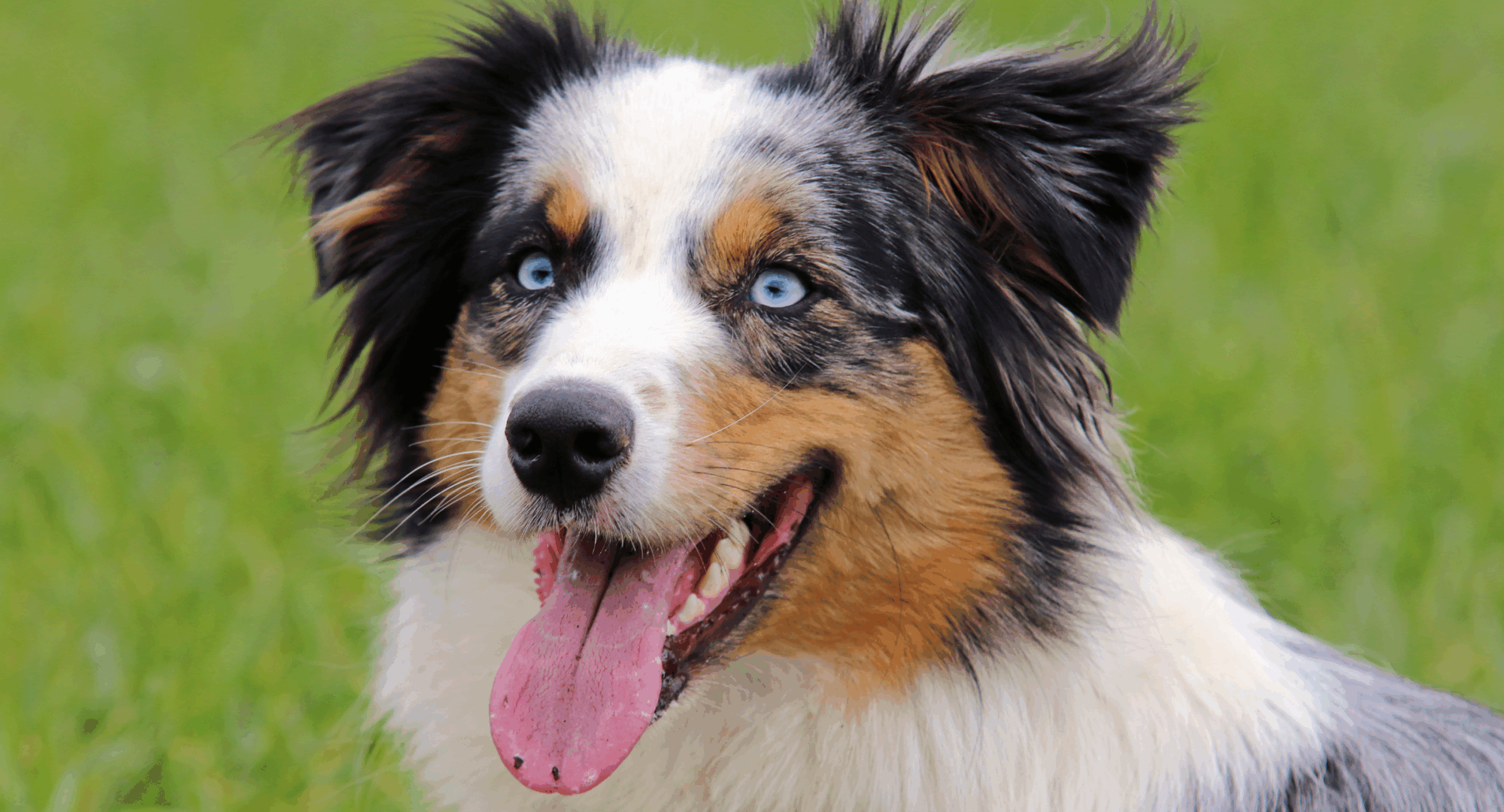
5) Australian Shepherd
Despite the name, Australian Shepherds were developed in the United States for herding livestock. They’re highly trainable and driven to work.
They thrive on routines and mental stimulation. Aussies are a great match for active pet parents who enjoy hiking, training, and dog sports. They also shine as intelligent and reliable farm dogs.
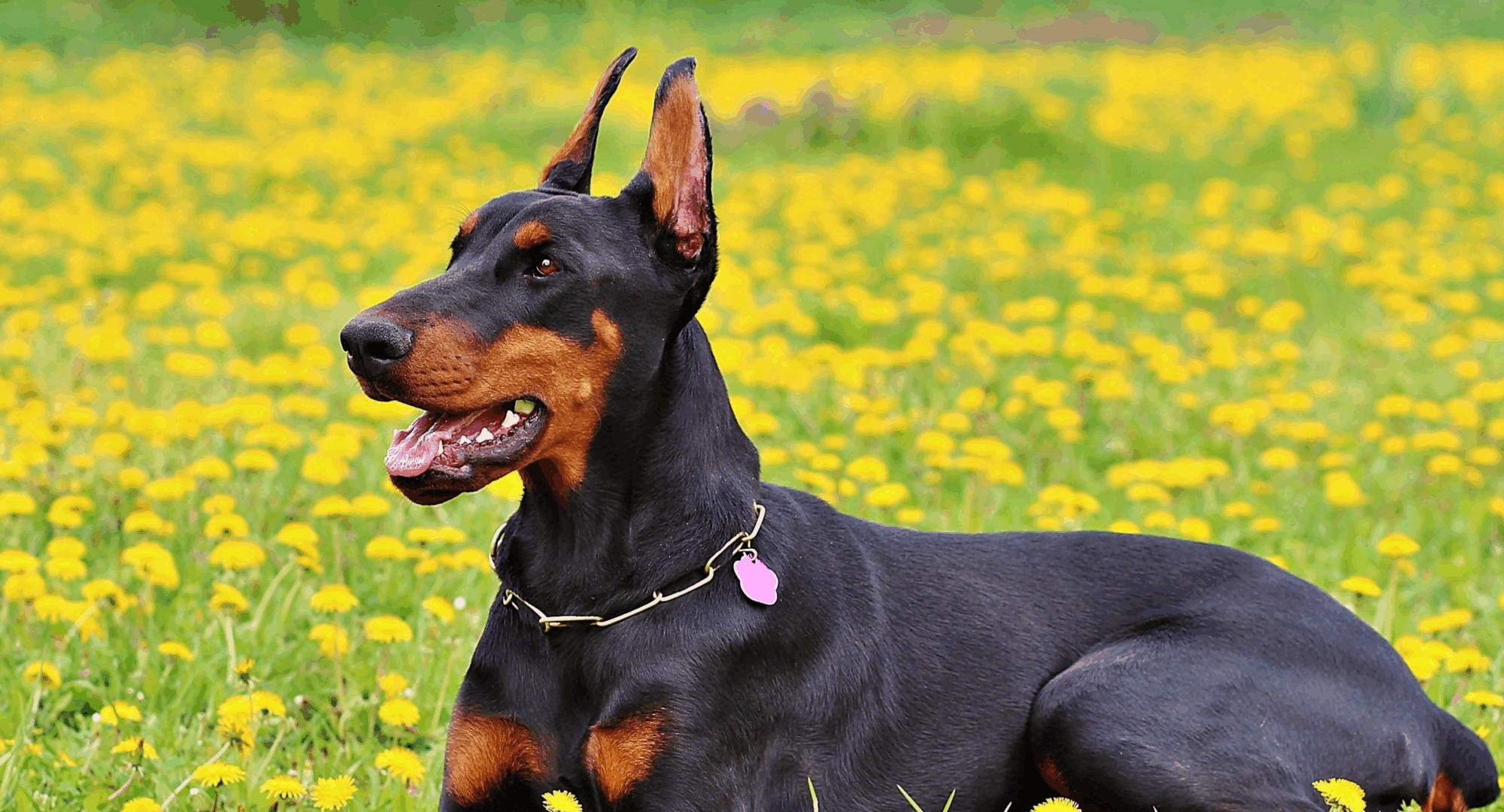
6) Doberman Pinscher
Dobermans were originally bred to protect their owners, combining strength with loyalty. They are quick learners with natural guarding instincts.
Their alertness and sleek appearance make them effective watchdogs. With proper training, they can also be affectionate companions and trustworthy guard dogs.
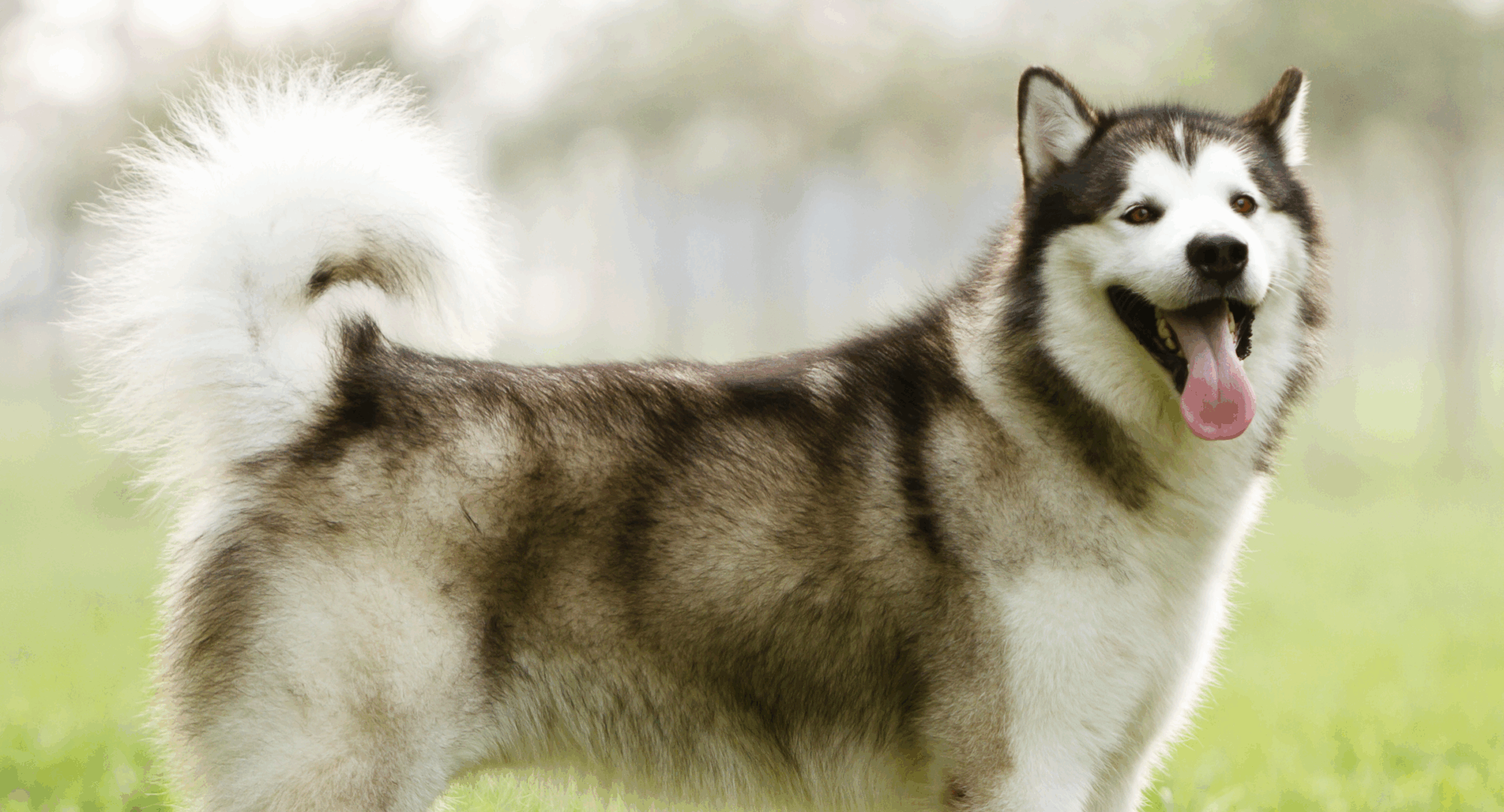
7) Alaskan Malamute
One of the oldest Arctic sled breeds, Alaskan Malamutes were built for strength and endurance. They were used to haul heavy freight over frozen terrain.
These powerful sled dogs form strong bonds with their families and need regular physical activity. Their independent streak makes consistent training a must.

8) German Shepherd
German Shepherds are known for their courage and intelligence. First bred for herding, they now serve widely in police, military, and service roles.
Their versatility, loyalty, and protective instincts make them a top choice for working dog tasks. They also thrive in active households and make excellent guard dogs and family dogs.
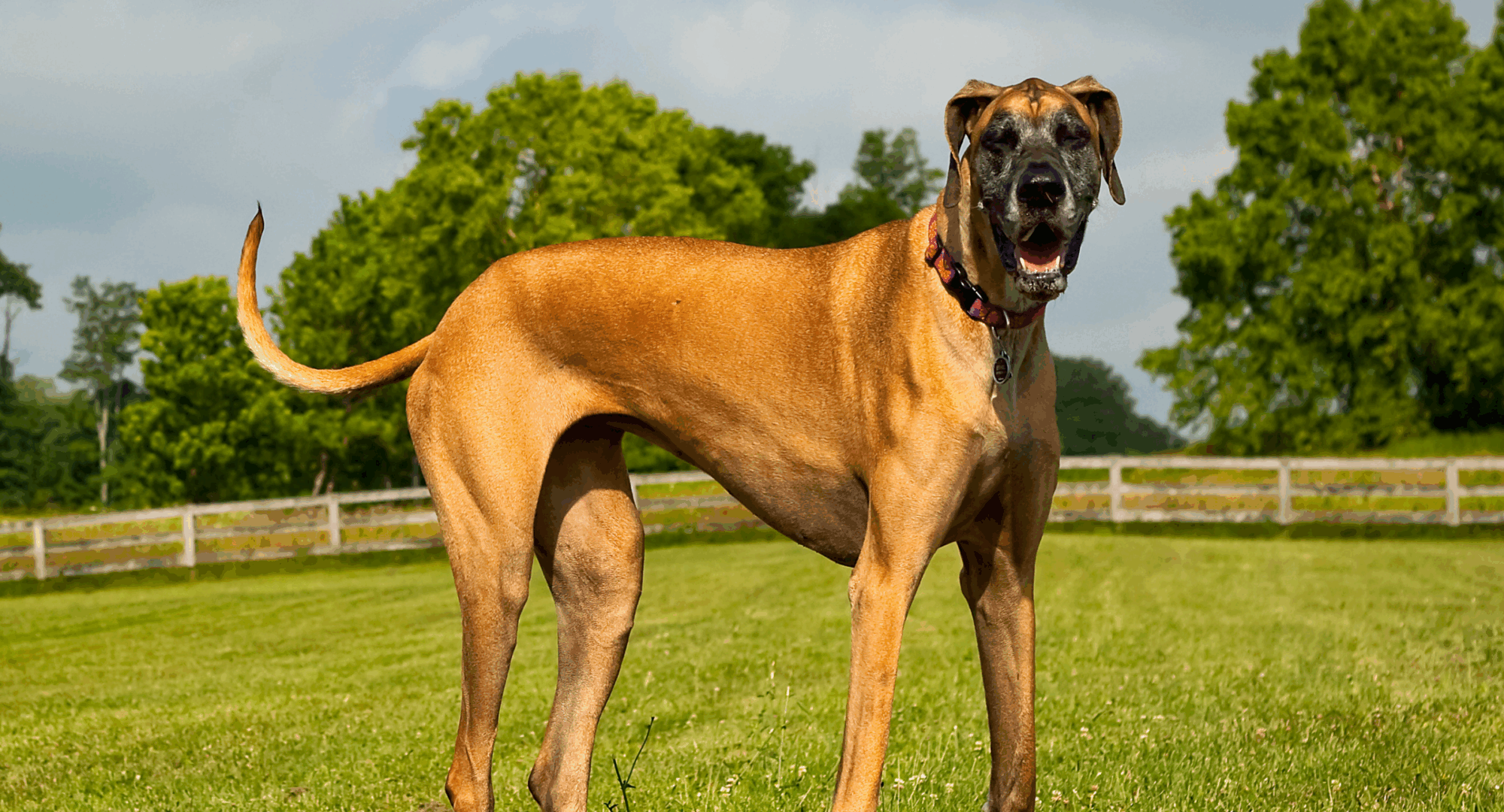
9) Great Dane
Originally used to hunt wild boar, Great Danes are powerful yet gentle giants. Their impressive size alone makes them natural deterrents.
Despite their history, Danes are affectionate and loyal. They do well in homes that provide gentle training and ample space, making them surprisingly good family dogs.
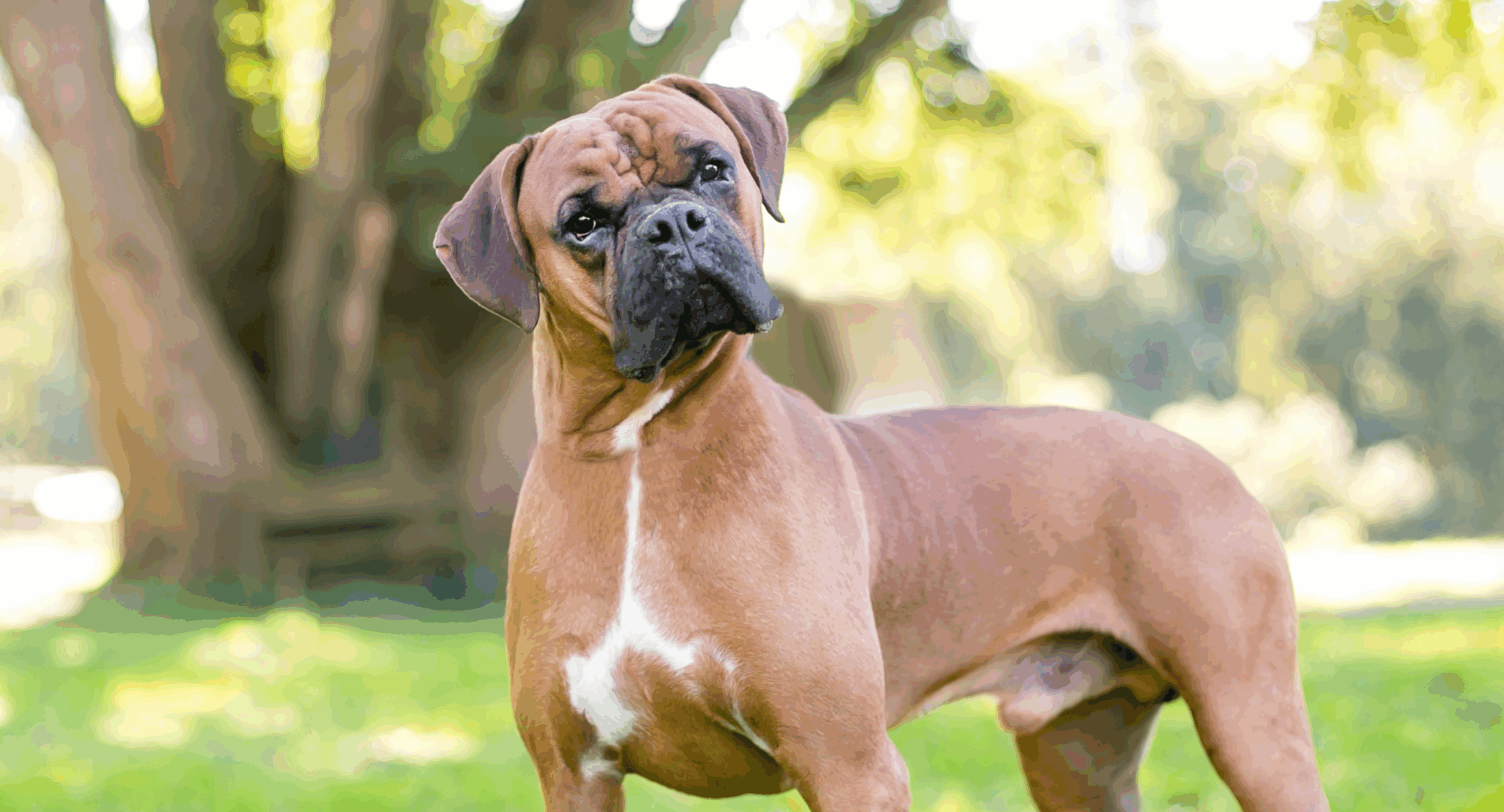
10) Boxer
Boxers were bred for hunting large game and guarding. Their muscular build and playful nature make them both protectors and clowns.
They’re especially good with kids and thrive in families with lots of interaction. Consistent training helps channel their energy positively. Boxers often serve as alert, dependable guard dogs.
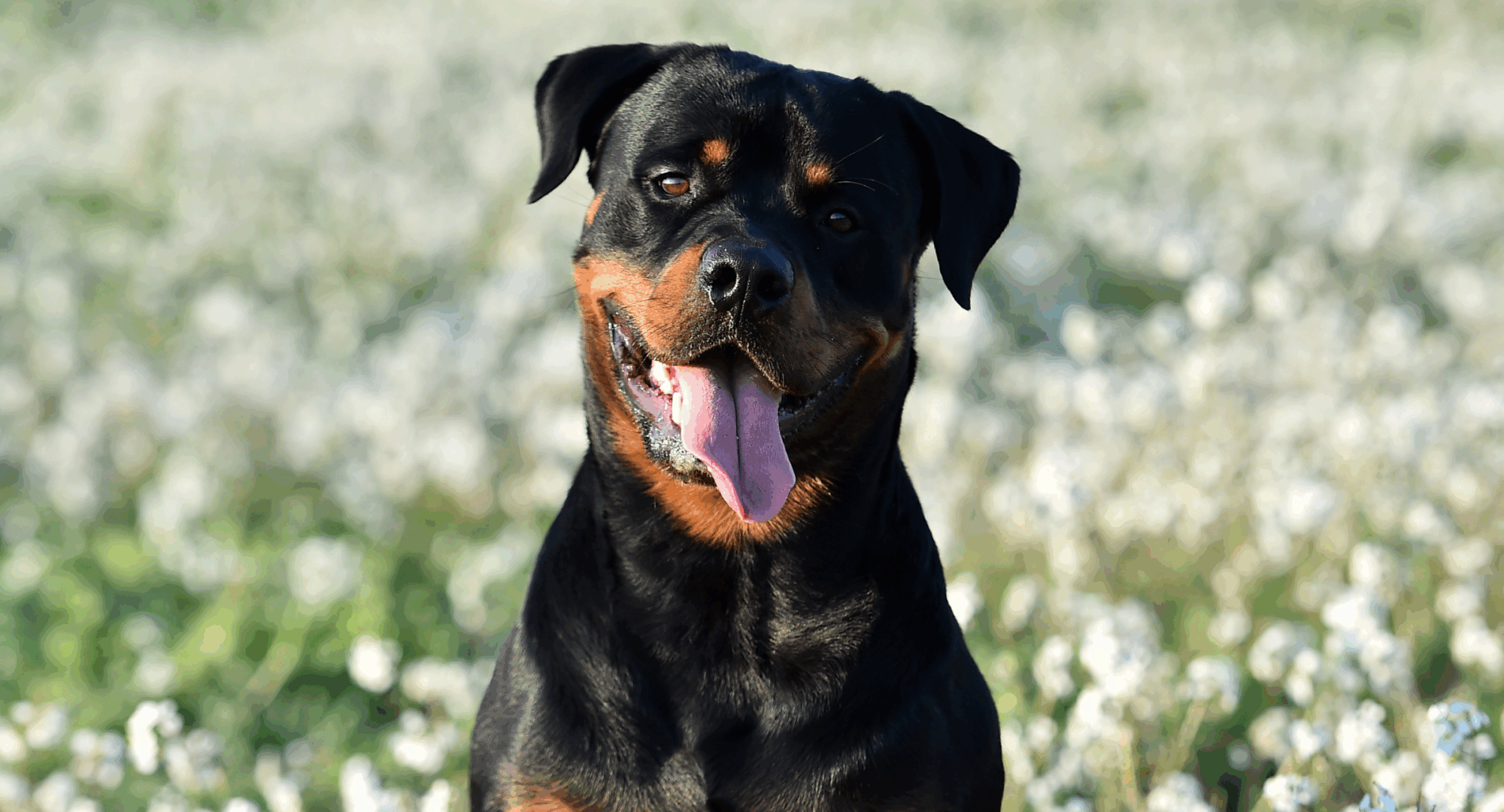
11) Rottweiler
Rottweilers began as cattle-driving dogs and later became trusted guardians. They are confident, calm, and protective.
With proper socialization, they make excellent companions. Their strength and loyalty make them ideal for families seeking a devoted protector or reliable guard dog.
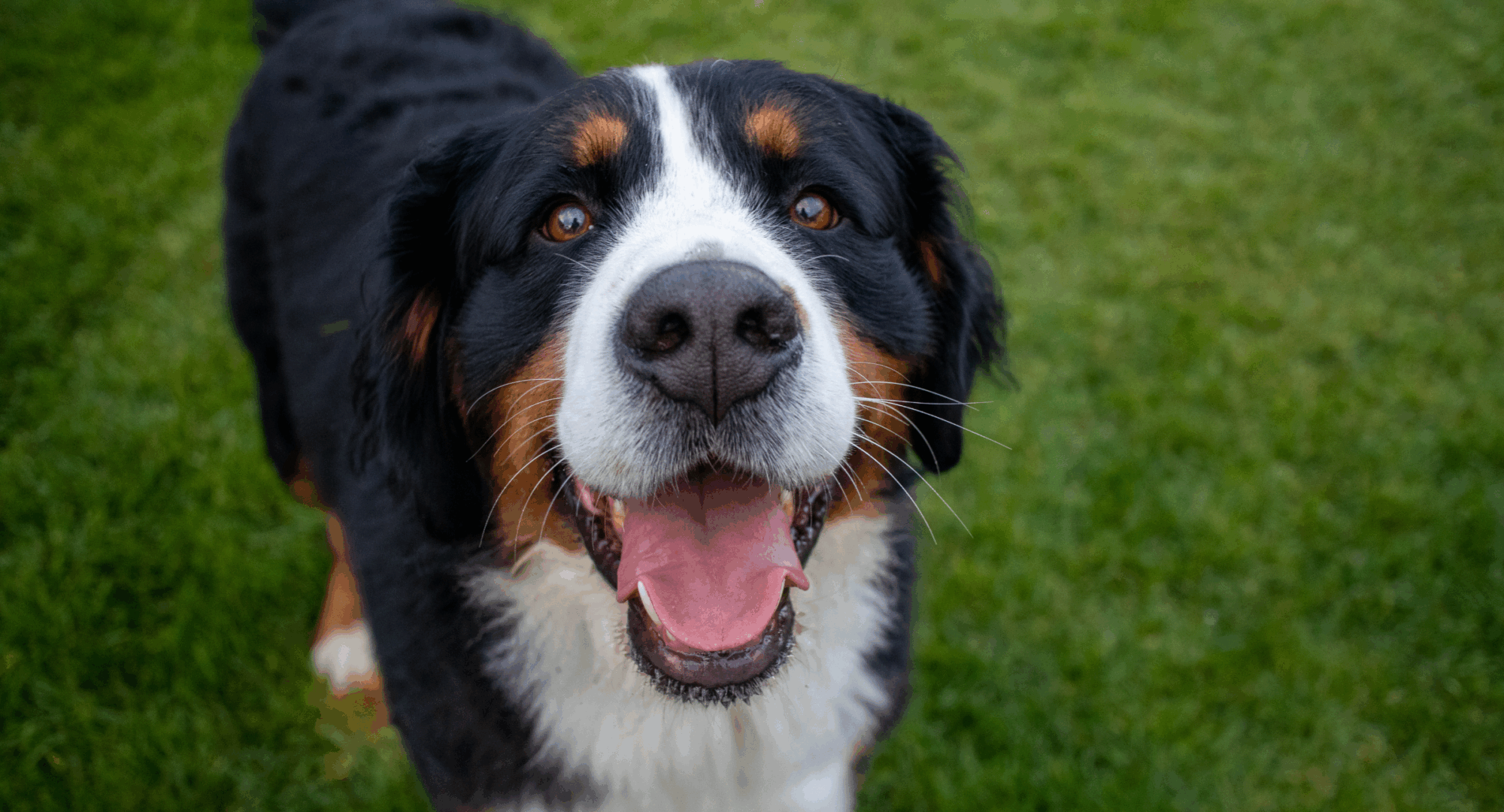
12) Bernese Mountain Dog
These gentle giants were bred to haul carts and herd cattle in the Swiss Alps. They combine power with a calm, affectionate temperament.
Bernese Mountain Dogs are especially fond of children and make great family pets. They prefer cooler climates and moderate daily exercise, fitting well into homes seeking large, gentle family dogs.
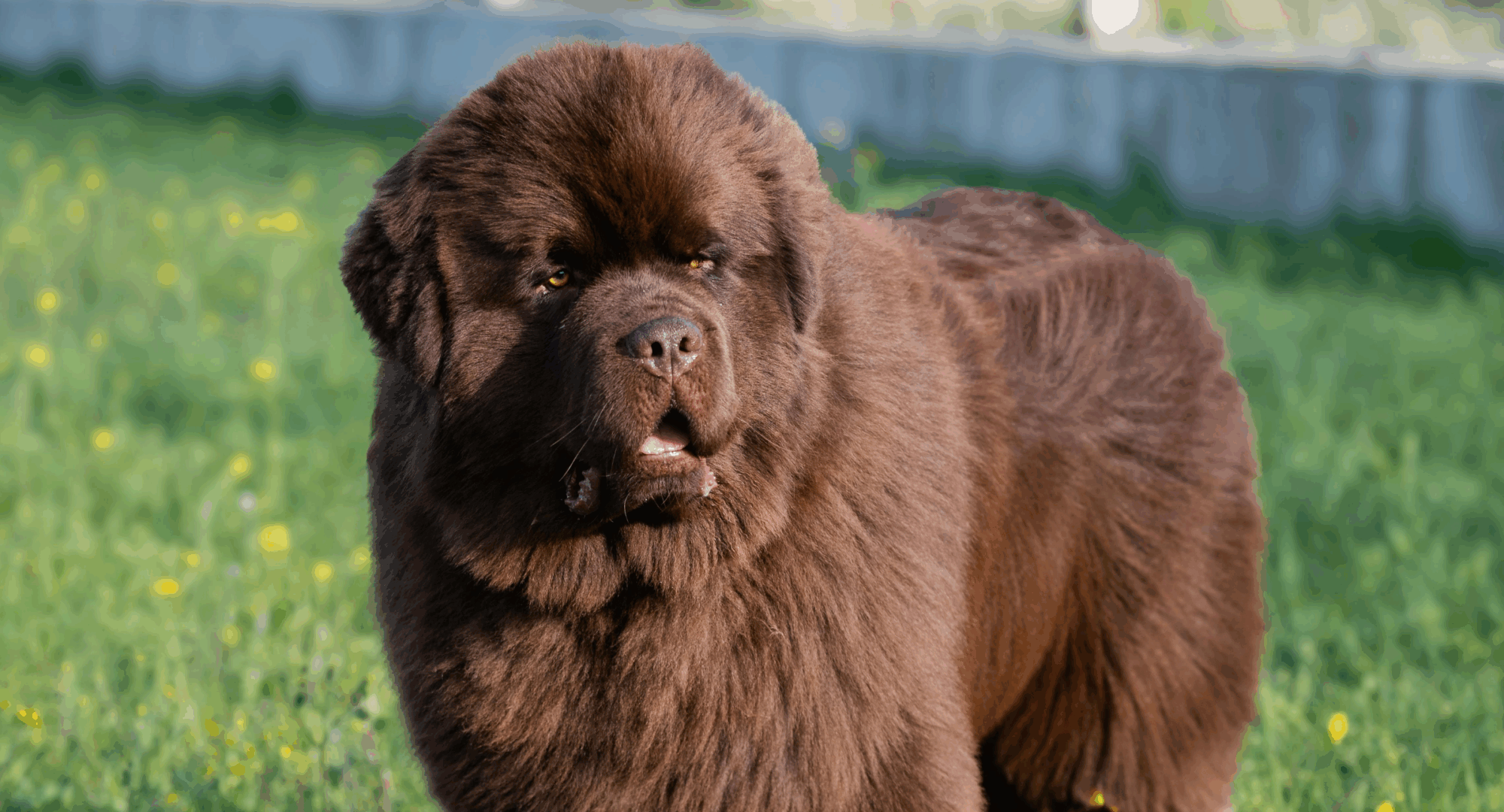
13) Newfoundland
Newfoundlands are natural water rescue dogs, originally bred to help fishermen in icy Atlantic waters. Their webbed feet and swimming strength set them apart.
They’re incredibly gentle and great with kids, earning them a reputation as “nanny dogs.” Their thick coats need regular grooming. They also rank highly among loyal and dependable family dogs.
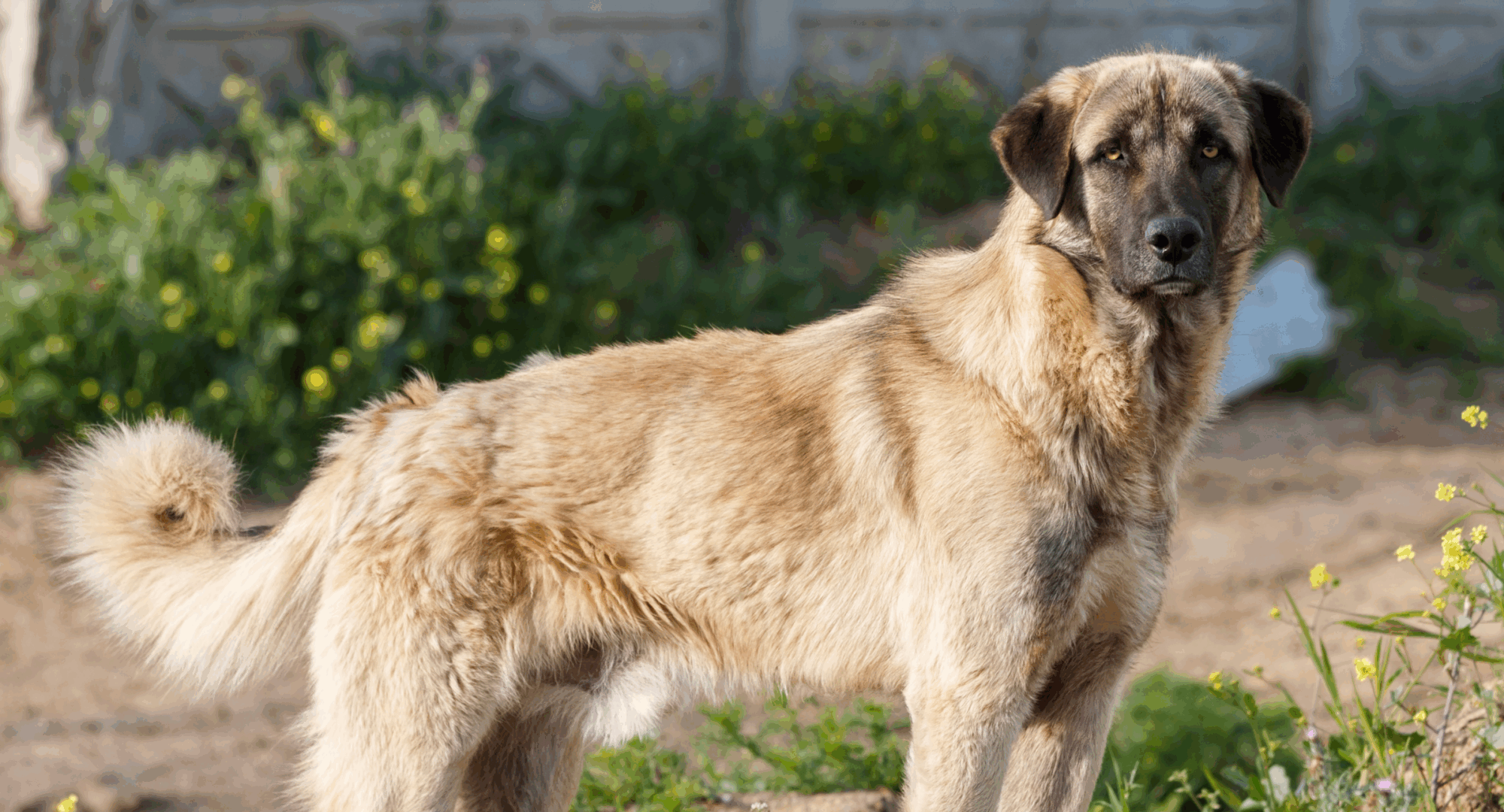
14) Anatolian Shepherd Dog
Anatolian Shepherds are ancient livestock guardians from Turkey. They’re fiercely independent and bred to think for themselves.
These dogs need secure fencing and experienced owners. With the right guidance, they become loyal and effective protectors – particularly well-suited as farm dogs or perimeter guardians.
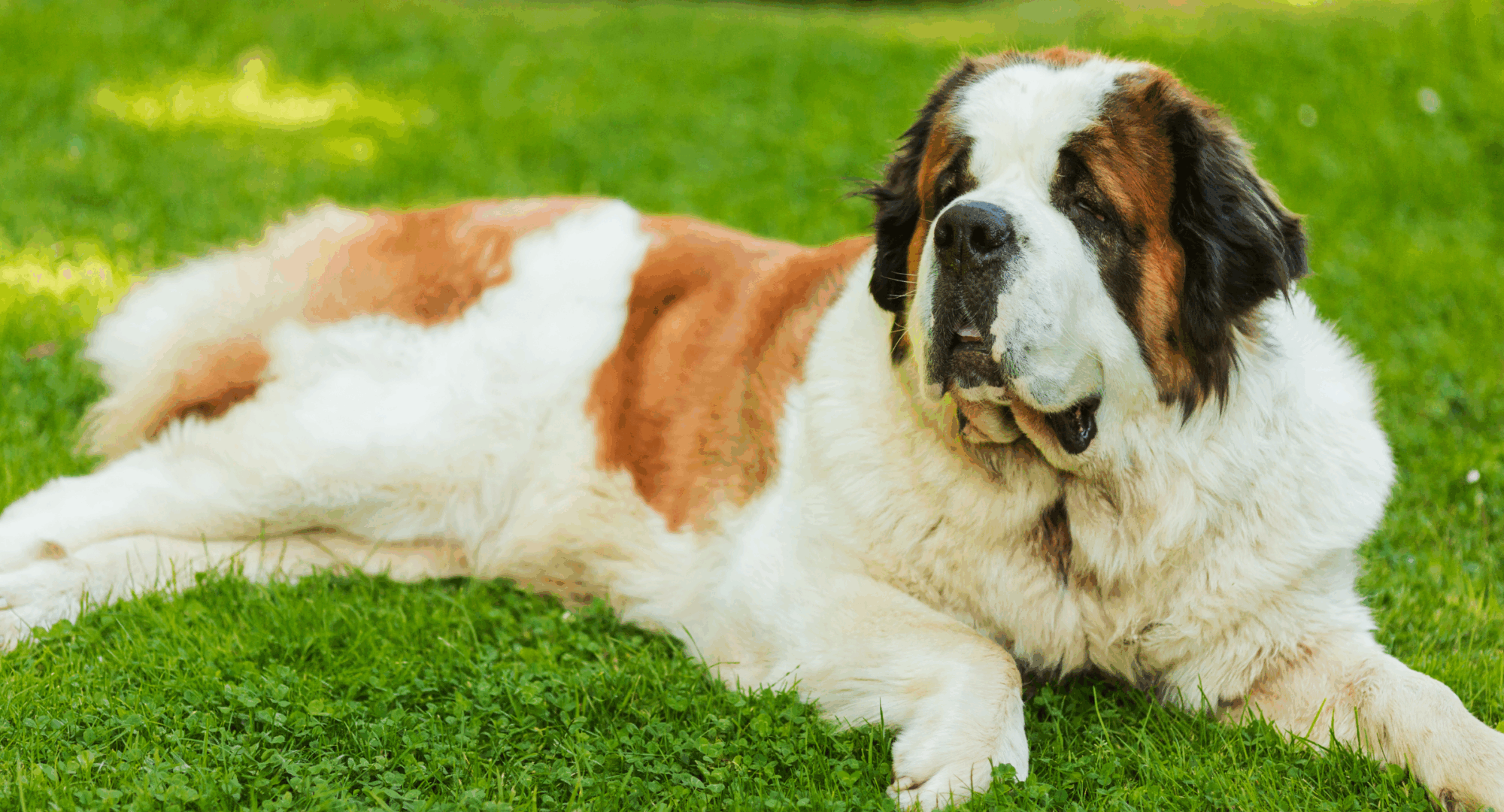
15) Saint Bernard
Saint Bernards are legendary rescue dogs from the Swiss Alps, used to locate lost travelers in snowy conditions. Their keen noses and endurance were life-saving.
Despite their massive size, they’re calm and affectionate. They need space, moderate exercise, and lots of love. Saint Bernards are gentle family dogs with heroic working dog roots.
Is a Working Dog Breed Right for You?
Working dog breeds can be rewarding companions, but they’re not for everyone. Their intelligence, energy, and drive often require more time and commitment than other breeds. These dogs need daily stimulation through long walks, training sessions, puzzle toys, or even designated tasks. Without proper activity, they can become bored or destructive.
They also tend to bond closely with their humans and thrive when they feel connected and useful. If you enjoy an active lifestyle, structured routines, and ongoing training, a working dog could be a great fit.
Choosing the Right Working Dog for Your Family
Each working dog breed has its own personality and set of care needs. Some do better in homes with older children or experienced handlers, while others adapt well to family environments. The key is understanding your own lifestyle and limitations before committing.
Researching a breed’s history, energy levels, and health requirements is critical. Talk to reputable breeders, rescues, or veterinarians to get an honest assessment. Make sure your home environment and daily schedule can support the needs of an intelligent and energetic dog.
Key Takeaways
- Working dogs are bred for specific jobs. Their instincts and energy levels reflect generations of purposeful breeding.
- Some excel at herding, guarding, or rescuing. Choosing the right breed depends on the task you want them to perform, or their ability to adapt to family life.
- Exercise and training are essential. Without regular stimulation, many working dogs may develop behavior issues.
- Compatibility matters. Match a breed’s temperament and needs with your lifestyle and living situation.
- With the right care, working dogs are loyal and loving. They offer companionship, protection, and purpose to families who understand their drive.
What Kind of Working Dog Fits You Best?
Working dogs offer loyalty, drive, and a deep desire to help – but they need the right environment to thrive. Whether you’re drawn to a devoted guardian like the Rottweiler or a high-energy herder like the Border Collie, choose a breed that matches your pace and purpose.
Bringing home a working dog is a long-term commitment. With the right preparation and mindset, you can enjoy a fulfilling relationship built on respect, trust, and teamwork.