

Essential Summer Nutrition Tips for Hunting and Working Dogs
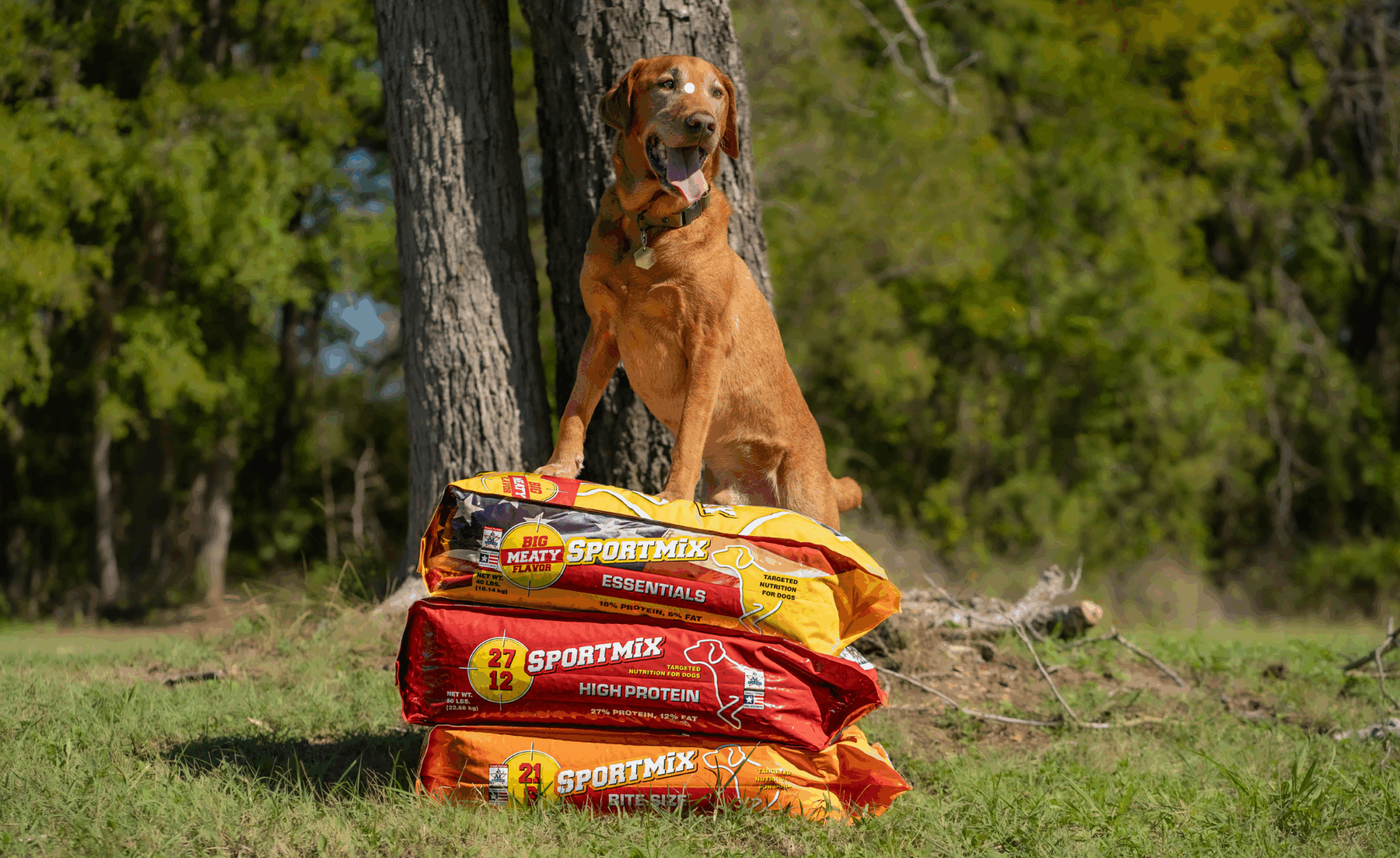
July is peak summer, and for many hunting and working dog owners, it’s a critical time for off-season training and early scouting trips. While activity levels stay high, the soaring temperatures can significantly affect your dog’s metabolism, hydration, and recovery. That’s why summer dog nutrition needs to be carefully adjusted for both safety and performance.
Whether you’re in the field training a hunting dog or putting your working dog through endurance drills, understanding how heat impacts the body and how to fuel your dog properly is essential. This guide covers everything from adjusting your dog’s diet and recognizing signs of heat stress, to choosing the best performance dog food and creating easy summer dog treats to help your furry friend stay cool.
How Heat Affects Dog Metabolism and Performance
During hot weather, dogs struggle to regulate their body temperature. Unlike humans, they don’t sweat effectively and rely on panting and their paw pads to release heat. For active dogs, this makes summer a season of increased stress on the body.
The combination of heat and physical exertion can change your dog’s metabolism, slow digestion, and decrease endurance. Over time, these effects can also lead to weight gain if not paired with an appropriately adjusted amount of food and exercise routine. In extreme cases, a lack of dog overheating prevention can even lead to heatstroke.
Choosing the Right Dog Food for Hot Weather
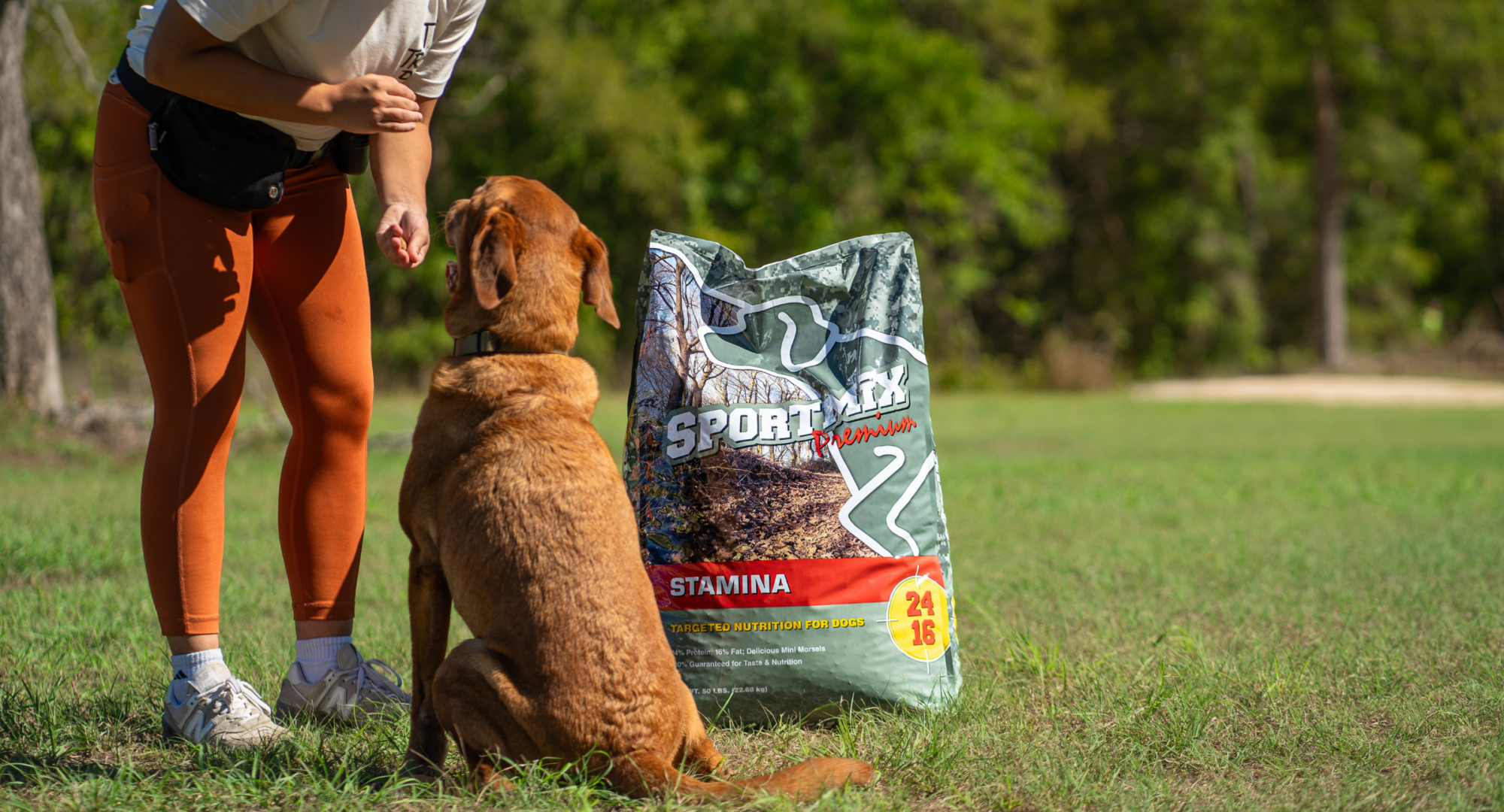
When choosing a dog food for hot weather, look for formulas specifically designed for high-activity or performance dogs. These blends offer a concentrated balance of nutrients that help your dog maintain stamina without overeating.
What to look for in summer performance dog food:
- High-quality animal proteins for muscle support and recovery
- Healthy fats and omega-3 fatty acids to aid energy and skin health
- Complex carbs like brown rice and oatmeal for steady energy
- Added vitamins, minerals, and electrolytes to replace what’s lost in heat
- Formulas made for active dog nutrition and high exertion levels
Brands offering hunting dog food and working dog diet formulations usually provide these nutritional profiles with the summer season in mind.
Hydration for Dogs: The Foundation of Summer Nutrition
Proper hydration for dogs is just as important as the food they eat. Dehydration can quickly derail a training session and lead to serious health conditions, especially on hot days. Maintaining a consistent water intake helps regulate temperature, prevent fatigue, and support digestion.
Tips to improve hydration and keep your dog cool:
- Always provide fresh, clean water bowls at home and in the field
- Bring portable bowls and bottles during outings
- Avoid ice-cold water, which can shock the system; cool water is ideal
- Add pet-safe electrolyte powders or low-sodium broth to boost hydration
- Watch for signs like excessive panting, lethargy, or dry gums
Even small amounts of hydration loss can lead to fatigue or worse. Be proactive in offering fluids before, during, and after activity.
Homemade Summer Dog Treats to Help Dogs Stay Cool
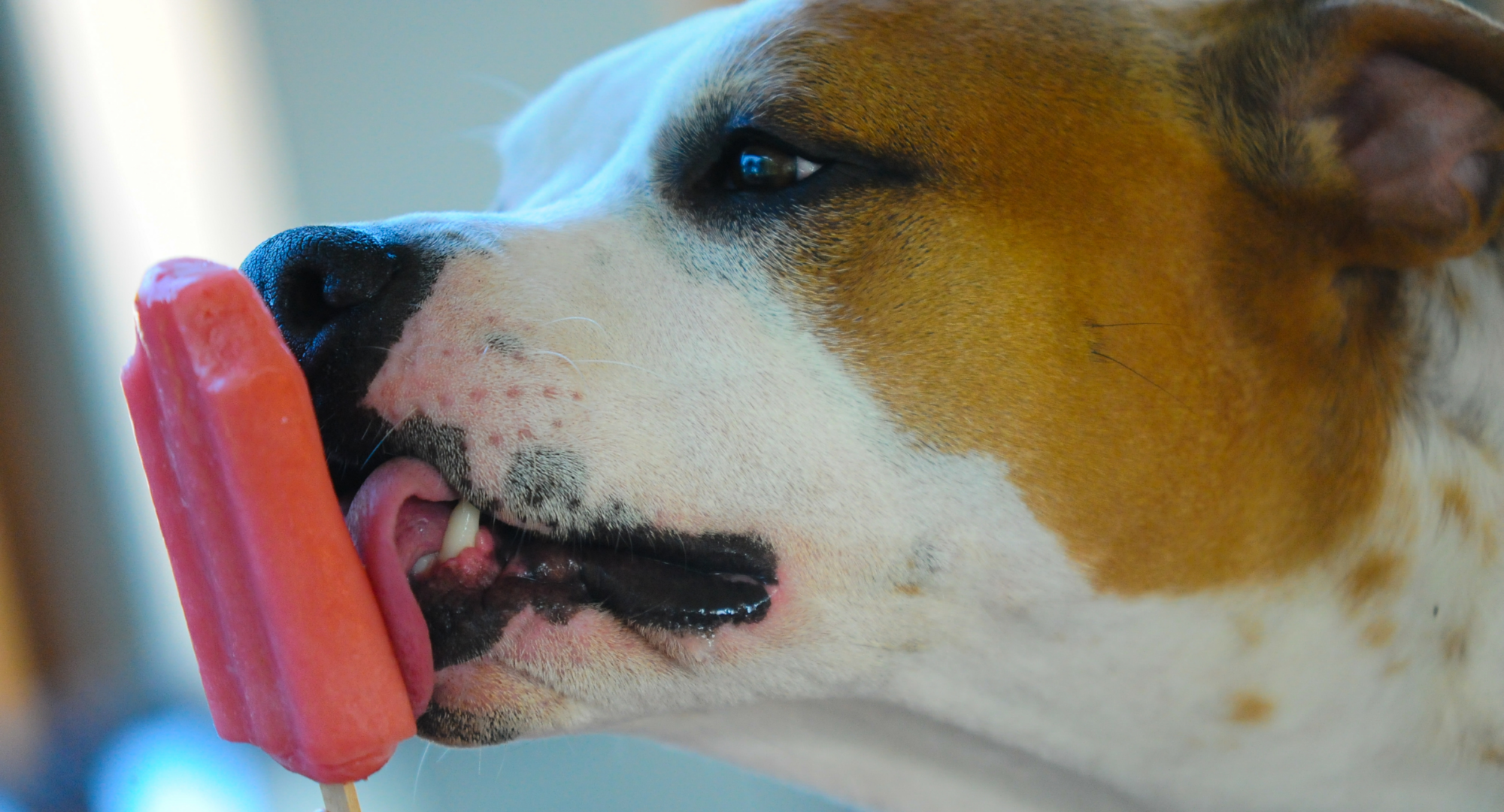
Fueling your dog doesn’t always have to come from a bowl. You can help your dog stay cool with hydrating, cooling snacks during breaks or downtime. These frozen treats also serve as a fun way to reward good behavior while supporting overall health.
DIY Frozen Peanut Butter Treats
- 1 banana
- 1 cup natural peanut butter (xylitol-free)
- 1 cup low-sodium chicken broth
Blend and pour into silicone molds or ice cube trays. Freeze and serve as needed.
Bone Broth Cubes
- 2 cups of low-sodium beef or chicken bone broth
- Optional: finely chopped carrots or parsley
Freeze in cubes and serve as a hydrating midday boost.
These easy summer dog treats also encourage hydration, which supports dog overheating prevention on those especially hot days.
Post-Training and Recovery Feeding Tips
After a long training session or scouting trip, your hunting dog or working dog needs proper recovery fuel. While water should always come first, feeding the right foods at the right time helps muscles rebuild and energy levels recover.
Post-training nutrition tips:
- Wait at least 30 minutes after heavy activity before feeding
- Start with hydration, then feed a meal rich in protein and fat
- Avoid overfeeding by offering small amounts if your dog is still panting
- Use easily digestible meals or snacks, such as boiled chicken or canned food
Adjusting the amount of food after exercise helps prevent digestive upset and supports better nutrient absorption.
Safety First: Recognizing Signs of Overheating in Dogs
Even the most conditioned dogs are at risk for overheating when pushed too hard in warm weather. Recognizing the early signs can prevent serious complications.
Common signs of overheating:
- Heavy or excessive panting
- Disorientation or wobbling
- Glazed eyes and thick drool
- Vomiting or diarrhea
- Unresponsiveness or collapse
At the first sign of heat stress, move your dog to a shaded area, offer water, and cool them with wet towels. If symptoms continue, seek veterinary help immediately.
Keep Your Hunting and Working Dogs Thriving This Summer
Your furry friend relies on you to make smart choices in the heat. From adjusting their working dog diet to maintaining hydration for dogs, every detail matters during summer months. The right active dog nutrition plan, combined with performance dog food, cooling treats, and smart training schedules, helps ensure your dog stays healthy, strong, and ready for the season ahead.
Whether in the field or at home, summer brings both challenges and opportunities for your hunting or working dog. With a focus on summer nutrition and hydration, your dog can train, recover, and stay cool even in the heat of July.
